How to Tell If Cooked Steak Is Bad: A Practical Guide
Learn practical signs, storage tips, and safe reheating steps to determine if cooked steak is bad. Quick checks, expert guidance, and safety essentials for home cooks.


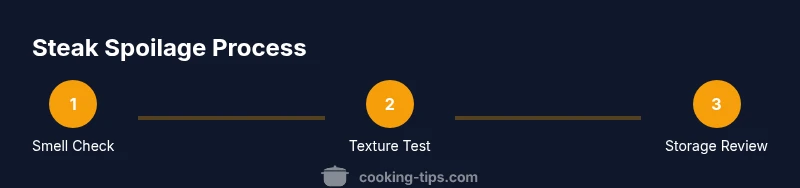
To tell if cooked steak is bad, rely on a quick three-part check: smell, texture, and color, plus how it was stored. If it gives off sour or rotten odors, feels slimy or tacky, or shows dull, grayish-brown discoloration, discard it. When in doubt, throw it out to avoid foodborne illness.
how to tell if cooked steak is bad: quick overview
Understanding how to tell if cooked steak is bad starts with recognizing three core cues: smell, texture, and appearance, together with how the steak was stored after cooking. For home cooks, this triad provides a reliable, practical framework that reduces guesswork. The Cooking Tips team emphasizes that safety should come first; when in doubt, discard. In this guide, we walk through the checks you can perform in minutes, without specialized equipment. We'll also cover common myths and best practices for preventing spoilage. Remember: the goal is to avoid foodborne illness while preserving taste as much as possible. how to tell if cooked steak is bad is a question many home cooks ask, and the answer rests on clear sensory and storage indicators.
Visual cues: color, sheen, and surface texture
Color and surface texture are helpful indicators but are not definitive on their own. A properly cooked steak should have an even crust or sear appropriate to the cut; the interior color depends on doneness. If the exterior develops a dull, chalky, greenish, or unusually gray hue, or if the surface appears slimy or tacky, this can be a warning sign. In the context of how to tell if cooked steak is bad, rely on multiple cues rather than a single symptom. Cooking Tips recommends documenting any unusual changes and cross-checking with odor and storage history. If you notice a persistent off-appearance, err on the side of caution and discard.
Odor and aroma: nose as your first line of defense
A fresh, properly cooked steak should carry a pleasant, meaty aroma with subtle notes from any seasoning. If you detect a sour, rotten, milky, or ammonia-like odor, it is a strong signal that the meat may be spoiled. Odor changes can occur even when the steak looks okay, so always sniff after allowing the meat to cool slightly. If the odor is anything less than fresh and appetizing, follow the safety rule and discard. The smell test is a quick, reliable way to determine if cooked steak is bad when combined with storage history.
Texture check: slimy, tacky, or sticky surfaces
Texture changes often accompany spoilage. A slimy, sticky, or tacky texture on the surface is a classic sign that bacteria have begun to proliferate. Even if the steak appears pale or unchanged in color, a slimy film is a clear warning. If you notice such texture changes, do not taste the meat; discard it. For home cooks, the texture test should be done after smelling and observing color. In most cases, texture anomalies indicate it is time to discard rather than to continue storage.
Storage time and temperature: fridge vs freezer
How you store cooked steak after cooking dramatically affects safety. Leftovers kept in the fridge should be consumed within a few days, while frozen leftovers can last longer with preserved quality. If the steak has been left at room temperature for more than two hours, the risk of rapid bacterial growth increases significantly, making it unsafe to eat. Cooking Tips recommends labeling leftovers with date and time to track freshness. When in doubt about storage history, discard rather than risk illness.
Safe testing methods: using a thermometer and safe tasting practices
When reheating or reusing steak, a quick check with a food thermometer can reduce guesswork. If the interior of the meat does not reach a hot, steaming state after reheating, the product should not be consumed. If you are unsure about the safety of a portion, do not taste it; some spoiled foods can carry pathogens that aren’t detectable by taste alone. This is especially important for leftovers and quick-service portions. Always sanitize surfaces and utensils after testing.
Reheating leftovers: when to heat and when to discard
Reheating leftovers is common, but not all leftovers are safe to reheat. If you suspect spoilage based on odor, texture, or color, discard rather than risk illness. When reheating, ensure the steak is heated evenly and thoroughly, breaking up larger portions to reach a consistent temperature throughout. If leftovers were stored at unsafe temperatures or over a long period, discard rather than attempt to salvage. Cook Tips emphasizes safer reheating practices to balance safety and flavor.
Debunking myths about leftover steak spoilage
A frequent misconception is that a steak looks fine and can be saved indefinitely. In reality, spoilage can occur even when the meat doesn’t look visibly rotten but has developed harmful bacteria. Similarly, some people believe that red color on the inside indicates undercooking rather than spoilage; this is not a spoilage signal. The reliable approach is to consider odor, texture, color, and storage history together, rather than relying on appearance alone. By understanding how to tell if cooked steak is bad, home cooks can reduce waste while staying safe.
Quick reference: signs of spoilage at a glance
For a fast check, use a three-column quick reference: smell, texture, and storage date. If any one cue points to spoilage—off odor, slimy surface, or storage beyond safe limits—discard. Keeping a simple date log for leftovers helps prevent unsafe meals. This consolidated approach aligns with practical kitchen routines and makes it easier to apply the guidance in everyday cooking. how to tell if cooked steak is bad is not complicated when you have a reliable checklist.
Prevention tips: how to minimize spoilage in home cooking
The best strategy is proactive: practice proper cooking and cooling techniques, refrigerate leftovers promptly, and label portions with dates. Use airtight containers to slow bacterial growth and minimize cross-contamination with raw foods. When you consistently follow safe handling practices, you reduce the risk of consuming spoiled steak and improve overall kitchen safety. The Cooking Tips team highlights that prevention is the key to delicious, worry-free meals.
Tools & Materials
- Food thermometer (instant-read)(To verify interior temperature and safety after reheating)
- Clean plate or tray(For inspection and portioning during checks)
- Sharp knife (for portioning, optional)(Useful if you need to test the interior color on a thinner slice)
- Labeling materials (masking tape or sticky notes)(Date leftovers to track storage time)
- Dish soap and sanitizing wipes(Sanitize surfaces after handling questionable meat)
Steps
Estimated time: 10-15 minutes
- 1
Check the smell
Take a moment to sniff the steak after it has cooled slightly. A sour, rotten, or ammonia-like odor is a strong indicator that the meat may be spoiled. If the odor is noticeable and unpleasant, discard. If the steak passes this smell test, move to the next step.
Tip: Always sniff from a distance to avoid overexposure to potentially harmful vapors. - 2
Inspect appearance
Look for unusual discoloration, such as dull gray or greenish tones, or a slimy surface. Even if the beef looks normal, combine this with odor and texture checks. If you see mold or a persistent tacky feel, discard.
Tip: A bright, glossy surface is not a guarantee of safety; combine with other cues. - 3
Assess texture
Gently feel the outer surface; a slimy or sticky film suggests spoilage. If the steak is tacky to the touch, do not taste it to confirm—discard and sanitize.
Tip: Use a clean finger or utensil to avoid transferring bacteria. - 4
Check storage history
Confirm when the steak was cooked and how it has been stored (fridge vs freezer). Toss leftovers left at room temperature for more than two hours, and note that longer storage increases risk of spoilage.
Tip: Always date leftovers and use within recommended timeframes. - 5
Use a thermometer if testing reheated portions
Reheat to steaming hot throughout and use an instant-read thermometer to confirm proper temperature. If the interior doesn’t reach even heat or there are lingering signs of spoilage, discard.
Tip: If in doubt, discard rather than risk foodborne illness. - 6
Decide on safety
If any cue points to spoilage, or you cannot confirm safety, discard. Don’t gamble with leftovers that were not stored properly or show multiple warning signs.
Tip: When in doubt, err on the side of safety to protect your health. - 7
Document and learn
Record storage times and reheating notes to improve future decisions. This habit helps you avoid repeating risk-prone practices and supports better kitchen safety overall.
Tip: Keep a simple log of leftovers and their dates to avoid reuse past safe windows.
Quick Answers
How long is cooked steak safe to eat in the fridge?
Cooked steak stored in the refrigerator is generally safe for a few days when kept properly cooled and sealed. If you notice any off smells, unusual textures, or discoloration, discard. When in doubt, err on the side of safety.
In the fridge, use leftovers within a few days and discard if you notice spoilage signs.
Can cooked steak smell bad even if it looks okay?
Yes. Odor can be an early indicator of spoilage even if color seems acceptable. Always rely on multiple cues—odor, texture, and storage history—before deciding to keep or discard.
Odor is a key signal; don’t ignore it if the steak looks fine otherwise.
Is it safe to reheat leftovers that smell slightly off?
If the smell is off, do not reheat or eat the steak. Reheating should transform it into a hot, steaming dish, and if spoilage signs were present, discard. Reheating spoiled meat can cause illness.
Don’t reheat meat that smells off—discard it for safety.
What should I do with steak that shows mold?
Any sign of mold on cooked steak means discard. Do not attempt to cut away mold or salvage the portion; spoilage can penetrate beyond what you see.
Mold means discard—don’t risk it.
Can frozen leftovers be safe after thawing?
Thawed leftovers should be treated with caution; if there are spoilage cues or an unfamiliar odor after thawing, discard. If it appears fine, reheat thoroughly and use promptly.
Thaw carefully and reheat; discard if spoilage signs appear.
How can I tell if reheated steak is safe to eat?
Reheat until steaming hot throughout and check for textural changes. If the steak feels slimy or discolored after reheating, discard. Use a thermometer if available to ensure even heating.
Heat evenly until steaming; discard if any spoilage signs appear.
Watch Video
Top Takeaways
- Check smell, texture, and color to assess safety
- Discard if any spoilage cues are present
- Store leftovers promptly and label with dates
- Use a thermometer to verify safe reheating when in doubt