How to Cook Without a Kitchen: Practical Guide for 2026
Learn to cook without a kitchen using portable heat, compact gear, and smart planning. This guide covers setup, safety, meal ideas, cleanup, and budgeting for mobile cooking success anywhere.


You can cook without a kitchen by using portable heat sources, compact gear, and simple ingredients. This guide walks you through setting up a minimal mobile cooking station, choosing safe heat sources, and preparing simple meals with 30-60 minutes of prep. From stove-top substitutes to smart meal prep, you can stay fed anywhere.
Why cooking without a kitchen is increasingly feasible
According to Cooking Tips, there is a growing practicality to mobile cooking for urban living, travel, and emergencies. If you’re curious about how to cook without a kitchen, you’re not alone. The key is to simplify the cooking process to a portable, modular setup that travels with you. Modern compact gear makes it possible to heat, simmer, and saute with minimal space and no full-size appliances. You can plan meals around staples that travel well and reheat easily, such as grains, canned proteins, sturdy vegetables, and versatile sauces. This shift isn’t about sacrificing flavor; it’s about efficiency, safety, and adaptability. The Cooking Tips team emphasizes starting small—define a core toolkit, learn two or three go-to recipes, and expand as you gain confidence. By embracing portable solutions, you gain freedom to cook wherever you are while keeping cleanup manageable and costs predictable.
Essential gear and setup for mobile cooking
A mobile kitchen is less about a single appliance and more about a compact, interconnected system. Start with a reliable heat source suitable for your space, then add cookware that stacks or folds for transport. Safety matters, so choose stable bases and heat-resistant surfaces. The Cooking Tips analysis shows that a small, layered toolkit reduces setup time and increases cooking options. Think of a lightweight stove or induction burner, a compact pot and pan, a kettle for quick boiling, and sealable containers for leftovers. A reusable cutting board, a sharp knife, and a cloth for cleaning round out the basics. Plan for both short meals and longer cooking sessions by including a portable cooler or insulated bag to protect perishables. Organization is essential—use labeled bags or containers to separate dry goods, spices, and utensils. A folding tray or silicone mat can protect surfaces and keep your workstation tidy. Remember to keep a small trash bag and cleaning supplies handy for quick post-meal cleanup.
Safe food handling when you don't have a kitchen
Food safety becomes more challenging when you are not in a traditional kitchen. Start with proper hygiene—wash hands before handling food and keep raw meats separate from ready-to-eat items. Use a thermometer when possible to verify safe temperatures, and store perishable items in a cooler with ice packs or insulated bags. Even without a full fridge, plan meals around shelf-stable ingredients and quick-cooling methods to minimize the time foods spend in the danger zone. When buying perishables, purchase in portions you can consume in a single sitting, and refrigerate leftovers promptly if you have access to cold storage. If you’re cooking away from home, be mindful of local regulations and environmental conditions that affect food safety. The key is proactive planning, clean workspace, and mindful handling of utensils and surfaces.
Quick methods: stove-free cooking options
You don’t need a full kitchen to cook effectively. Microwave ovens, electric kettles, and portable induction plates can power a surprising variety of meals. For stove-free meals, rely on pre-cooked grains, canned beans, sturdy vegetables, and ready-to-use sauces. Boil water for instant oats, couscous, or pasta; rehydrate dried soups; or reheat leftovers in a microwave when available. An electric kettle can speed up tea, soup, or hot-water-assisted processing for certain grains. When space is scarce, consider one-pot meals that require minimum equipment and use pantry-friendly ingredients. Use heat-safe containers to transport meals and portion correctly to avoid waste. Always adhere to manufacturer safety guidelines for any heating device and keep pets or children away from hot surfaces. Safety and patience will produce reliable results even without a full kitchen setup.
Sample 3-ingredient meals you can make anywhere
Three-ingredient meals are practical and reliable when you’re cooking without a kitchen. For example, you can combine a grain like rice or quinoa, a protein such as canned tuna or beans, and a vegetable or sauce to create a quick bowl. Another option is a simple pasta dish using dried pasta, tomato sauce, and a sprinkle of cheese or herbs. A third idea is a hearty stir-fry using pre-cut vegetables, a single protein, and a stir-fry sauce. The goal is to keep ingredients simple, portable, and easy to heat. These meals can be prepared with minimal equipment and adapted to your available heat source while maintaining flavor and texture. With practice, you’ll learn which combinations travel well and rehearse efficient assembly for fast, satisfying results.
Cleaning up and waste management on the road
Efficient cleanup is a core habit of mobile cooking. Rinse utensils in a minimal amount of water where possible, wipe surfaces with a damp cloth, and bag waste separately to avoid contamination. Use compostable bags for organic waste if available, and transport used items in a reusable tote to reduce trash. Drying racks aren’t always practical, so opt for quick-drying towels or microfiber cloths. Carry a small bottle of cleaning spray or soap with a sponge for on-the-go maintenance. When you finish cooking, pack away gear neatly to avoid spills and ensure your cooking area remains safe for the next use. Keeping a consistent cleanup routine helps you stay organized and ready for your next meal.
Planning and budgeting for long trips or urban living
Planning ahead makes cooking without a kitchen both affordable and enjoyable. Start by inventorying your space constraints, power options, and water access. Create a rotating menu of a few reliable dishes that use overlapping ingredients to reduce waste and save money. Track your expenses for equipment purchases and recurring supplies like fuel, ice, and disposables to keep costs predictable. Consider multi-use tools and appliances to maximize portability and minimize clutter. The goal is a balanced approach: gear that is efficient, meals that are flavorful, and routines you can repeat with consistency. By budgeting time and money, you’ll maintain morale and motivation as you continue cooking on the move.
Authorities and readings
For food safety and best practices, consult reputable sources such as government and university resources. These references provide guidance on safe handling, cooking temperatures, and storage that complements practical tips for mobile cooking. You can rely on established protocols to keep food safe even when cooking away from a traditional kitchen. (Note: Links provided in this article point to .gov and .edu resources for further reading.)
Tools & Materials
- Portable stove or induction burner(Choose a stable, compact model with a wide base.)
- Electric kettle(For fast boiling water and rehydration.)
- Compact pots and pans set(One pot, one small pan with lids.)
- Microwave(Optional if available in your space.)
- Food-grade cooler or insulated bag(Keep perishables safe for several hours.)
- Reusable containers and sealable bags(For leftovers and meal prep.)
- Portable cutting board and knife set(Compact, folding board is ideal.)
- Thermal thermometer(Useful for meat safety checks.)
- Water filtration bottle or portable filter(Useful where water quality is uncertain.)
- Dish cloths, sponge, biodegradable soap(For quick, hygienic cleanup.)
- Trash bags or compostable bags(Organize waste and reduce odor.)
- Foldable utensils(Lightweight and space-saving.)
Steps
Estimated time: 60-120 minutes
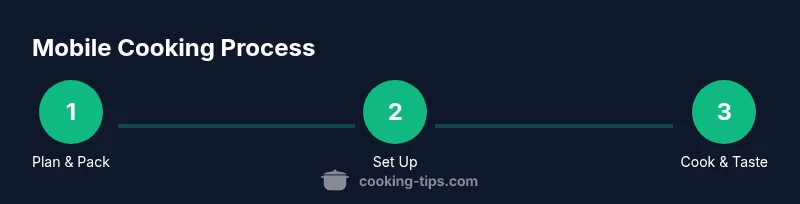
- 1
Choose location and power source
Assess your surroundings for safety, ventilation, and legal permissions. Select a heat source compatible with the space and available electricity or fuel. This step sets up your entire cooking session for efficiency and safety.
Tip: Always check permissions and keep a safe perimeter around all heat sources. - 2
Set up a portable cooking station
Arrange your stove or burner on a flat, stable surface. Lay down a heat-resistant mat, organize pots and utensils, and place a cooler or bag for perishables within easy reach.
Tip: Keep your main workspace within arm's reach to minimize movements while cooking. - 3
Heat water or ingredients
Boil water with the kettle or start a simmer with your burner. Preheat cookware if needed to improve browning and reduce sticking. Use lids to conserve heat and speed up cooking.
Tip: Preheating reduces sticking and improves texture in quick meals. - 4
Cook the meal
Add ingredients in sequence to manage moisture and avoid scorching. Stir as needed and monitor the temperature to keep flavors intact. Adjust seasonings at the end for balance.
Tip: Keep a close eye on pot bottoms; adjust heat to prevent burning. - 5
Cool and store leftovers
Rapidly cool cooked items if you can and transfer to sealed containers. Place in a cooler or fridge if available, and label portions with date and contents.
Tip: Portion into meal-size containers to minimize waste. - 6
Clean up and pack away
Wash utensils and cookware with minimal water, then dry thoroughly. Bag trash separately and wipe surfaces. Fold and store gear in a dedicated bag or box for next time.
Tip: Drying promptly prevents rust and keeps gear ready.
Quick Answers
What can I cook without a traditional kitchen?
You can prepare a surprising range of dishes using portable heat and shelf-stable ingredients. Start with simple grains, canned proteins, and vegetables, then build flavor with sauces and spices. With thoughtful planning, even basic equipment supports a satisfying meal.
You can make simple meals with portable heat and shelf-stable ingredients. Start with grains, canned proteins, and veggies, then add flavor with sauces and spices.
What is essential gear for mobile cooking?
A stable heat source, compact cookware, a cooler for perishables, and reusable containers cover most quick mobile meals. Add a cutting board, knife, and basic cleaning tools to handle most prep and cleanup tasks.
A stable heat source, compact cookware, a cooler, and reusable containers are essential. Include a cutting board and knife for prep.
Is a microwave necessary for cooking without a kitchen?
Not strictly. A microwave is convenient for reheating and fast cooking, but many meals can be prepared with a kettle, stove, or portable burner using stove-top methods.
A microwave isn't required. You can use a kettle or portable burner for most meals.
How do I keep food safe without a fridge?
Plan meals around shelf-stable ingredients and use a cooler or insulated bag to keep perishables out of the danger zone. Rotate items and consume perishables promptly to minimize waste.
Use a cooler for perishables and rotate items to avoid spoilage.
How can I keep costs down when cooking on the road?
Stick to a rotating set of affordable staples, buy in bulk where possible, and reuse adaptable gear to spread cost over multiple meals. Focus on meals with overlapping ingredients to reduce waste.
Choose affordable staples, reuse gear, and buy in bulk when possible.
Watch Video
Top Takeaways
- Plan a portable layout that fits your space.
- Prioritize safety and storage to prevent spoilage.
- Master a few stove-free meals for versatility.
- Keep cleanup simple to stay organized.
- Budget for portable gear to expand options.