How to Cook Without Recipes: A Practical Guide for Everyday Meals
Learn to cook without recipes using a flexible framework, flavor-building techniques, and a smart pantry plan for reliable, creative meals at home.


You can cook without recipes by embracing a flexible framework: know your pantry, balance flavors (acid, fat, salt), and choose a core technique. Start with a simple plan and adapt as you taste. This approach builds confidence, creativity, and consistent results for everyday dinners.
Foundations of cooking without recipes
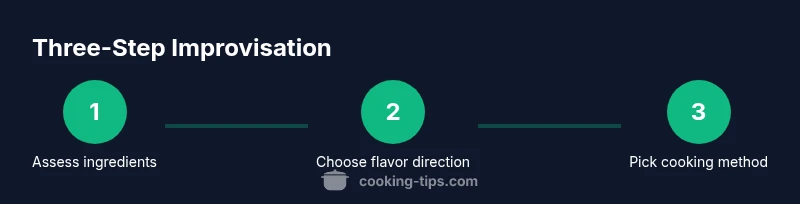
Learning to cook without recipes starts with understanding the building blocks of flavor, technique, and balance. If you’re wondering how to cook without recipes, you’ll want a mental framework you can apply to almost any dish. This approach is especially helpful for home cooks seeking reliability and creativity. According to Cooking Tips, the key is to move from rigid instructions to flexible principles. The Cooking Tips team found that cooks who practice flavor pairing, adjust heat, and read ingredients in real time produce consistently delicious results. By focusing on three core ideas—pantry awareness, flavor balance, and technique—you’ll gain confidence to improvise. Start by noting what you have in the kitchen, pick a flavor direction, and then choose a suitable cooking method. Over time, you’ll develop a personal taste map that guides you rather than a specific recipe. This is the heartbeat of practical cooking that you can do today.
Build your flavor toolkit
A strong flavor toolkit lets you improvise without recipes. The core trio is acid, fat, and salt; balancing these three unlocks depth in even simple dishes. Stock essential acids (lemon juice, vinegar), fats (olive oil, butter, neutral oil), and salts (kosher salt, sea salt). Add in umami boosters (soy sauce, miso, mushroom powder) for savory depth. Keep a rotating cast of herbs and spices: garlic, onion powder, smoked paprika, cumin, pepper, fresh herbs. Textures matter too—pair creamy with crunchy, soft with crisp. Finally, learn quick taste tests: taste early, adjust gradually, and keep notes on what changes flavors most. The aim is to create a “flavor map” you can reference when you’re without a recipe. Pantry staples and smart shopping keep night-to-night meals simple and satisfying. You’ll find that a small set of reliable items unlocks countless combinations, especially when you learn to layer acidity, sweetness, heat, and salt in new ways.
The flexible recipe framework: 3-2-1 method
This simple framework helps you design meals on the fly. 3 components: each dish should include a protein, a vegetable, and a starch or grain (or a satisfying substitute like legumes). 2 flavor directions: decide on one or two flavor pillars (for example, bright citrus and earthy garlic), and think about how acid and fat will support them. 1 technique: choose a primary cooking method (sear, roast, simmer, or steam) that suits your ingredients and timeline. The steps: pick your protein, prep your veg, and select your starch. Then apply your flavor directions, and cook with your chosen technique. As you gain experience, you’ll mix and match the 3-2-1 elements to produce meals that feel intentional rather than improvised. The goal is consistency and confidence, not perfection.
Practical equipment and pantry planning
The right tools reduce friction when you cook without recipes. Essentials: a sharp chef’s knife, a sturdy skillet, a medium saucepan, a heat-safe spatula, and a reliable thermometer. Pantry staples should include good oils, salt, pepper, dried herbs, canned tomatoes, stock, and a few pantry-friendly proteins and legumes. Keep a few reliable quick-cook grains (rice, quinoa) and a couple of speed-friendly vegetables (potatoes, onions, garlic). Organize your space so you can see what you have; a simple whiteboard list or a note in your phone helps track what’s in the fridge. With a well-curated toolkit, improvisation becomes quick and enjoyable rather than a stressful guesswork session.
Techniques and examples: improv in action
Try a few real-world scenarios to see how the framework works. Example A: chicken thighs with roasted vegetables. Start with protein and veg, add starch if desired, then layer in a lemon-garlic-herb direction with olive oil for fat. Example B: chickpeas with sautéed greens. Use canned chickpeas as your starchy base, toss in greens, finish with a splash of vinegar and a drizzle of olive oil. Example C: pasta with garlic, chili, and mushrooms. Sauté aromatics, add mushrooms for meaty texture, toss with pasta and a splash of starchy water. The key is to taste as you go, adjust salt and acidity gradually, and avoid overcooking. With practice, you’ll recognize which flavors pair well and which textures you prefer for different meals.
Common pitfalls and how to fix them
- Pitfall: Over-salting early. Fix: Add salt gradually, taste, and balance with acidity or sweetness.
- Pitfall: Under-seasoning vegetables. Fix: Finish with salt at the end and a bright acid.
- Pitfall: Wet pan syndrome (food steaming rather than searing). Fix: Dry surfaces thoroughly, increase heat, and cook in batches.
- Pitfall: Burning aromatics. Fix: Lower heat slightly, add moisture, and deglaze with a small amount of liquid.
- Pitfall: Ingredient fatigue (running out of ideas). Fix: Build a flavor map and rotate core combinations weekly.
Put it into practice: a four-day plan to practice cooking without recipes
Day 1: Inventory your kitchen and map flavors. List proteins, vegetables, grains, and pantry staples. Day 2: Pick three flavor directions (bright citrus, umami, and smoky). Cook a simple protein with vegetables, using one starch, and apply your two flavor directions. Day 3: Practice with a mixed dish (one-pot meal) and adjust seasoning with acid and fat. Day 4: Review your notes, refine your flavor map, and plan new combinations for next week. Throughout, keep a running log of what worked and what didn’t. The goal is to build a repeatable routine you can apply to any meal. This practical approach aligns with Cooking Tips’s advocacy for confident improvisation.
Mindset for ongoing improvement
Cooking without recipes is a skill that grows with consistent practice. Embrace curiosity, keep notes, and celebrate small successes. As you gain confidence, you’ll notice your meals become more personal and enjoyable. Remember to re-check pantry constraints, adjust for dietary needs, and experiment with new ingredients. The long-term payoff is a flexible, resilient kitchen that can turn whatever you have on hand into a satisfying meal. The Cooking Tips team recommends continuing practice and sharing your experiments with friends and family for feedback and joy.
Tools & Materials
- Chef's knife(8-10 inch, sharp for clean cuts)
- Cutting board(Wood or plastic, large enough for protein and veg)
- Sturdy skillet(10-12 inch, heavy-bottomed for even heating)
- Medium saucepan(Good for grains and sauces)
- Spatula and tongs(Heat-safe silicone or stainless steel)
- Measuring spoons(For quick, consistent seasoning)
- Mixing bowls(A small set for prep and marination)
- Food thermometer(Important for safe poultry and pork)
- Pantry staples (salt, pepper, oil)(Kosher salt, extra-virgin olive oil preferred)
Steps
Estimated time: 60-120 minutes
- 1
Assess what you have
Survey proteins, vegetables, and starches. Note what’s about to expire and what can be combined quickly. This prevents waste and helps you pick a flavor direction.
Tip: Write a quick list of 3 potential flavor directions based on what you see. - 2
Define a flavor direction
Choose one or two flavor pillars (for example: bright citrus and garlic). Decide how acid and fat will support them.
Tip: Keep a small card of flavor pairings handy for fast reference. - 3
Choose a cooking method
Select a primary technique (sauté, roast, simmer, or steam) that suits the ingredients and time available.
Tip: Use high heat for searing, then finish with a gentle simmer if needed. - 4
Cook with steady technique
Cook ingredients in batches to avoid steaming. Add salt gradually and taste as you go.
Tip: Finish with a splash of acid and a drizzle of fat for balance. - 5
Taste, adjust, and log
Taste at multiple points, adjust seasoning, and note what worked for future reference.
Tip: Record a quick note on what flavor direction truly carried the dish.
Quick Answers
What does it mean to cook without recipes?
It means using underlying cooking principles—flavor balance, technique, and pantry awareness—rather than following fixed step-by-step instructions.
Cooking without recipes means applying flavor and technique principles instead of exact steps.
How can I start if I only have a few ingredients?
Begin with a protein, a vegetable, and a starch or legume. Choose a flavor direction and use a quick cooking method that suits those ingredients.
Start with what you have: a protein, veg, and a starch, then build flavor.
Is cooking without recipes safe for beginners?
Yes, with basic kitchen safety practices. Start with simple combinations and measure critical elements like salt and temperature when needed.
Absolutely, start simple and follow safety guidelines.
How do I practice without wasting food?
Practice with affordable ingredients and small portions. Freeze or repurpose leftovers when possible, and learn from each batch.
Use small portions and reuse leftovers to reduce waste.
What should I do if a dish tastes flat?
Add acidity, adjust salt, and finish with a little fat. Fresh herbs or a finishing drizzle can lift the dish quickly.
Tweak acidity and seasoning, then finish with a touch of fat.
Watch Video
Top Takeaways
- Plan before you cook to reduce waste.
- Flavor balance (acid, fat, salt) drives depth.
- Use a 3-2-1 framework to design meals on the fly.
- Keep a versatile pantry to enable quick improvisation.
- Practice weekly to make cooking without recipes second nature.