Cook with What I Have: A Practical Pantry-First Guide
Learn to cook with what you have by auditing your pantry, choosing a flexible framework, and improvising substitutions. Reduce waste, save money, and keep weeknight meals flavorful with practical, kitchen-tested techniques.


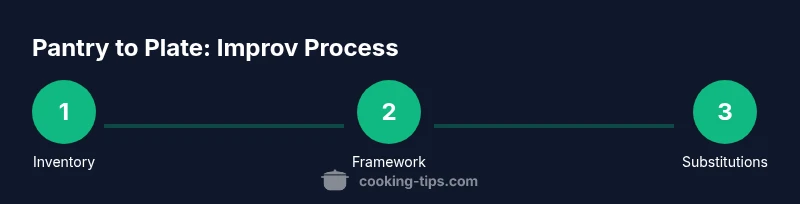
Today you can cook with what you have by auditing your pantry, choosing a flexible framework, and improvising with substitutions. Start with a quick inventory of staples (grains, proteins, vegetables, sauces), then pick a simple technique (sauté, simmer, bake) that suits what’s on hand. Use safe substitutions, balance flavors, and adjust seasoning as you cook to minimize waste.
The philosophy of cooking with what you have
Cooking with what you have is less about following a strict recipe and more about applying core techniques to ingredients at hand. It is a skill that reduces waste, saves money, and builds confidence in the kitchen. According to Cooking Tips, a pantry-first mindset helps home cooks stay flexible and creative even on busy weeknights. The idea is to see your fridge, freezer, and pantry as a toolbox. When you know a few reliable techniques you can transform modest ingredients into flavorful meals. Start by recognizing three categories of ingredients you almost always have on hand: starches or grains, protein or protein alternatives, and vegetables or aromatics. With these building blocks you can craft nourishing meals in a wide range of cuisines. This approach is actionable and repeatable, helping cooks of all levels turn a handful of items into something satisfying and delicious.
Inventory your pantry like a chef
A well organized pantry is the foundation of cooking with what you have. Begin with a quick three minute inventory: what grains do you have, which proteins, and which vegetables or aromatics. Cooking Tips analysis, 2026, finds that many home cooks underestimate how many meal options they actually have when they can see everything at once. With this information in hand, group items by function: base starches (rice, pasta, quinoa), protein anchors (eggs, canned fish, chicken), and flavor boosters (onions, garlic, stock, sauces). Create a simple shelf map on a notepad or whiteboard so you can glance and decide fast. Finally, write down two go-to recipes that rely on staples you usually keep. These anchors will guide you when you shop less and cook more from what already exists.
Build a flexible recipe framework
Rather than a single recipe, think in frames: base + protein or main ingredient + vegetables + sauce. The base is your starch or grain, the main ingredient can be a protein or legume, the vegetables are your color and texture, and the sauce or seasoning ties everything together. This structure works across cuisines and seasons, and it makes substituting ingredients easy. For example, a base of rice with chickpeas and sautéed onions can become a comforting bowl with curry paste or a light lemon olive oil dressing. The key is to keep proportion expectations reasonable and to tailor cooking times to the slowest component. By adopting this approach you can reliably produce meals even when every ingredient looks unfamiliar.
Substitutions that work across cuisines
Build a short substitution cheat sheet: swap proteins with equivalent cooking times; swap grains with alternative carbs; swap vegetables by texture rather than color. When you replace an ingredient, think about texture, moisture, and flavor balance. For example, if you are out of chicken, canned tuna or firm tofu can provide protein; if you lack rice, quinoa or barley can fill the same role; if you have missing tomatoes, a splash of miso or a dash of soy can provide umami. Use the least amount of extra liquid needed to avoid sogginess and adjust cook times by 5 to 10 minutes. The goal is to preserve the structure of your dish while upgrading the flavor with available seasonings.
Techniques that unlock improvisation
Master three core techniques that apply to most improvised meals: sauté, simmer, and roast. Sautéing creates flavor quickly through browning; simmering blends ingredients gently into a cohesive sauce; roasting concentrates flavors and textures. Use high heat for searing proteins and vegetables, and lower heat for gently finishing sauces. Keep your pan wet enough to prevent sticking but dry enough to promote browning. If you are using a lot of moisture, uncover to evaporate excess liquid. These techniques are adaptable to what you have, and they are the backbone of flexible cooking.
Flavor balancing: salt, acid, fat, heat
Flavor is built through four levers: salt, acid, fat, and heat. Start by seasoning in layers: add salt or soy during cooking for depth, finish with a bright acid such as lemon juice or a splash of vinegar, then bring fat with olive oil, butter or a touch of sesame oil to coat the palate. Taste after each adjustment. If your dish feels flat, introduce a contrasting element like citrus, vinegar, or a touch of sweetness from honey or sugar. Avoid over saturating with one element. Remember that even simple dishes benefit from a gentle accrual of flavor components.
Planning meals for the week with leftovers
Use a weekly plan based on your staple anchors, leftover potential, and time constraints. Schedule at least two meals that reuse similar ingredients to minimize waste. Store leftovers properly in labeled containers and plan for a second meal while cooking. For instance, roast vegetables can become a hearty fajita bowl the next day, and leftover rice can be turned into fried rice. The plan reduces decision fatigue and ensures you actually cook rather than order out. This approach aligns well with family routines and budget goals.
Real world example: turning leftovers into a dinner
Imagine you have broccoli, cooked chicken, and a partial jar of pesto. Start by reheating the chicken with a touch of oil and garlic; add broccoli and a splash of broth to steam. Toss in cooked pasta or rice, stir in pesto, and finish with grated cheese if available. You have a new dish that uses ingredients you already had, with a single, simple sauce. This example illustrates how a flexible framework and substitution ideas can save time, cut waste, and create satisfying meals from minimal ingredients.
Common mistakes to avoid
This approach works best when safety, taste, and simplicity are kept in mind. Do not ignore food safety, skip tasting, or overcomplicate meals. Avoid rushing to seasonings before you taste, and be mindful of moisture balance to prevent soggy ends. Do not rely on too much liquid; let starches or grains absorb as needed. Finally, batch-cooking some staples (rice, beans, roasted vegetables) can dramatically reduce daily decision fatigue and improve results.
Tools & Materials
- Onions(1-2 medium onions)
- Garlic(2-4 cloves)
- Rice, pasta, or another grain(Choose one as a base)
- Canned tomatoes or tomato paste(1–2 cans or tubes)
- Eggs or another protein(Chicken, fish, tofu, or legumes)
- Olive oil or neutral cooking oil(For sautéing and finishing)
- Stock or broth(Optional, but helpful for simmering)
- Assorted vegetables(Any mix you have on hand)
- Herbs and spices(Salt, pepper, dried herbs, paprika, etc.)
- Soy sauce or vinegar(Extras for depth and brightness)
Steps
Estimated time: 45-60 minutes
- 1
Take stock of ingredients
Do a quick inventory of fridge, freezer, and pantry. List a base grain, a protein, and 1-2 vegetables you can use today. This helps you choose a cooking path rather than reaching for takeout.
Tip: Write down two possible dish ideas based on what you see to reduce decision fatigue. - 2
Choose a technique
Decide between sautéing, simmering, roasting, or boiling based on your main ingredient and texture. This choice determines how you treat moisture and flavor.
Tip: High heat for browning, then finish with gentle simmer if needed to blend flavors. - 3
Set a simple base framework
Create a base (grain), a protein anchor, a vegetable element, and a sauce or seasoning. Keep proportions flexible to accommodate substitutions.
Tip: If a component is missing, swap with a texture-appropriate alternative (e.g., chickpeas for chicken). - 4
Make confident substitutions
Use your cheat sheet to swap ingredients by texture and cooking time. Adjust liquids to maintain the right consistency.
Tip: When in doubt, lean on acidity (lemon juice or vinegar) to brighten the dish. - 5
Season gradually and taste
Season in layers, tasting after each addition. Small, iterative tweaks prevent oversalting or overcooking.
Tip: Pause halfway to taste and re-balance with a splash of acid or a drizzle of oil. - 6
Plan for leftovers
Think about next meals while cooking the current one. Store properly in labeled containers to reheat and repurpose.
Tip: Save carcass or stems for stock to maximize every ingredient.
Quick Answers
What does cook with what i have mean?
It means using ingredients on hand to craft meals with flexible techniques, rather than relying on a fixed recipe.
It means making meals from pantry and fridge ingredients by using simple techniques.
How do I start if my pantry is bare?
Begin with basic staples like onions, garlic, grains, and eggs. Build from there with substitutions and simple techniques.
Start with basics you always have and improvise from there.
Can leftovers be used effectively?
Yes. Leftovers can be repurposed into new meals with minimal waste by combining them with a fresh base and a simple sauce.
Absolutely—renovate leftovers into something new.
How can I avoid bland flavors?
Balance salt, acidity, fat, and heat. Add seasoning gradually and finish with a bright acid or herb to lift the dish.
Season in layers and finish with brightness to wake up the flavors.
What are safe substitutions to try?
Swap ingredients by texture and cooking time, not just by type. Keep moisture in mind and adjust liquids.
Use safe substitutes that keep texture and moisture balanced.
Is this approach family-friendly?
Yes. Flexible meals adapt to different tastes and schedules; involve family in choosing pantry options.
Definitely suitable for families and easy to involve kids.
Watch Video
Top Takeaways
- Inventory first, decide next steps
- Use a flexible base framework
- Substitute with texture and timing in mind
- Taste and balance throughout
- Plan for leftovers to reduce waste