How to Cook Oven Ribs: A Step-by-Step Guide
Learn to cook oven ribs with a simple dry rub, slow roasting, and a glaze. This step-by-step guide covers rib cuts, prep, timing, doneness, and tips for juicy, fall-off-the-bone results every time.


Master oven-cooked pork ribs with a simple dry rub, slow roasting, and a glossy glaze. This guide shows you how to select ribs, prepare the rub, preheat correctly, and monitor doneness so your ribs stay tender and flavorful from first bite to last. Whether you prefer a crusty bark or a rich glaze, this method delivers reliable, repeatable results.
Why Oven Ribs Are a Favorite Weeknight Meal
Oven ribs offer a reliable route to restaurant-quality pork at home, with predictable results regardless of weather or outdoor cooking conditions. The controlled environment lets you dial in tenderness and bark with a simple dry rub and a steady roast. According to Cooking Tips, starting with a basic rub and a low, slow bake yields moist meat with a satisfying crust. This approach scales from a single rack to a full tray, making weeknights easier without sacrificing flavor. When done right, rib meat pulls cleanly from the bone, and the glaze or sauce adds depth without masking the pork’s natural sweetness. With patience and proper timing, you can create ribs that rival your favorite rib joint right from your oven.
Understanding Ribs: Spare vs. Baby Back
Ribs come in several cuts, with spare ribs and baby back ribs being the most common for home cooks. Spare ribs are larger, meatier, and have more connective tissue, which rewards a longer, lower roast for tenderness. Baby back ribs are smaller, leaner, and cook a bit quicker, with a comfortable balance of meat and fat. For oven cooking, both respond well to a slow roast, but spare ribs often yield more robust meat and a richer crust when finished with a glaze. Knowing the cut helps tailor rub composition, cooking time, and finish. The Cooking Tips approach works well for either cut, as long as you adjust for thickness and bone density.
Essential Tools and Ingredients
To cook oven ribs successfully, you need a few dependable tools and a simple pantry of spices. A rimmed sheet pan, a wire rack, heavy-duty aluminum foil, and a clean kitchen towel or parchment keep the process tidy and predictable. A meat thermometer helps confirm doneness, and a basting brush or spray bottle makes glaze application even. Core ingredients include pork ribs (spare or baby back), a dry rub made of paprika, brown sugar, salt, pepper, and garlic powder, plus a glaze or barbecue sauce for the final touch. Optional add-ins like chili powder, cumin, or onion powder let you customize the flavor profile. With the right tools and ingredients, you’ll avoid common pitfalls and achieve consistent results.
Preparation: Trimming, Dry Rub, and Marination
Begin by trimming excess fat and removing the silvery membrane from the back of the rack—that thin layer can block rub penetration and soften texture. Pat the ribs dry with paper towels to help the rub adhere. Mix your dry rub ingredients, then massage an even layer over both sides, pressing to help the spices cling. For best results, let the rub rest on the meat for 15–30 minutes, or longer if you have time, so the flavors seep into the surface. A short rest also helps the meat retain moisture during cooking. If you’re marinating, place the ribs in a sealable bag with the rub and a small amount of oil; refrigerate for several hours or overnight for maximum flavor.
The Low and Slow Method: Dry Rub, Cooking, and Temperature
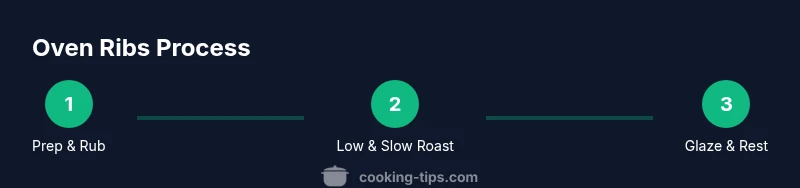
Preheat your oven to a low temperature (275°F to 325°F, depending on rib thickness and desired tenderness). Place the rib rack on a wire rack set over a sheet pan to promote even heat circulation. Wrap the pan loosely in foil to trap moisture, then bake until the meat is tender and nearing the bone. The exact time varies by cut and thickness, but expect a couple of hours of slow roasting. Avoid lifting the foil too often, as frequent heat exposure can dry the surface. When the meat is nearly tender, you can switch to an uncovered finish to develop bark and color. The rub will form a crust that contrasts with the juicy interior, creating a satisfying texture.
Sauce, Glaze, and Finishing Touches
Once the ribs are tender, remove the foil and brush with your glaze or sauce. Return to the oven for a short, high-heat finish to set the glaze and create a glossy, flavorful exterior. Brush on a second layer for depth, then let the ribs rest for 10 to 15 minutes before slicing. Resting allows juices to redistribute, ensuring each bite is moist. If you prefer a sticky glaze, use a sugar-rich sauce and apply thin coats rather than thick layers. A light dusting of salt or citrus zest at the end can brighten the finish and balance sweetness.
Checking for Doneness: Doneness Indicators and Temperature
Ribs are done when the meat is tender and begins to pull away from the bone. A meat thermometer is the most reliable guide; target an internal temperature around 190–205°F (88–96°C) for fall-off-the-bone tenderness. Visual cues matter too: the surface should be caramelized and browned, with slightly crisp edges where the rub has crusted. If the ribs still feel firm near the bone, they may need more time. Conversely, rib meat should not be mushy or breaking apart excessively; slight resistance is a sign of ideal tenderness. Let the ribs rest briefly before cutting to preserve juiciness.
Reheating and Saving Leftovers
Store leftovers promptly in airtight containers in the fridge for up to 3–4 days, or freeze for longer storage. To reheat, wrap ribs in foil and rewarm slowly at a low temperature to avoid drying them out. A quick glaze or brush of sauce during reheating can refresh the surface and bring back flavor. When reheating, check that the internal temperature rises safely, and avoid overheating, which can toughen the meat. Reheated ribs won’t be exactly as juicy as the fresh-roasted version, but with careful handling they can still be very enjoyable.
Dietary Variations and Substitutions
You can tailor this method to different diets by adjusting the rub and glaze ingredients. For a lower-sodium option, reduce salt and rely on aromatics like garlic and paprika for flavor. For a sweeter glaze, incorporate a touch of maple syrup or honey, but be mindful of sugar burn on high heat. For gluten-free needs, ensure that your glaze or sauce is certified gluten-free. If you’re cooking for kids or guests who prefer milder flavors, simplify the rub by using a basic mix of paprika, brown sugar, salt, and pepper. The technique remains the same, with adjustments only to seasoning intensity.
Common Mistakes and How to Avoid Them
Avoid cooking ribs at too high a temperature, which can dry the surface while leaving the interior underdone. Skipping the membrane removal can hinder rub penetration and texture. Foiling too tightly or too early can trap steam and lead to soggy bark; instead, vent the foil slightly to maintain some crispness. Don’t rush the resting period after cooking—resting distributes juices and improves mouthfeel. Finally, don’t baste too aggressively if using a sugar-rich glaze, as sugar can burn easily at higher oven temps. Following these tips helps you consistently produce ribs that are juicy, tender, and flavorful.
Tools & Materials
- Oven(Preheat to 275–325°F before cooking)
- Rack of pork ribs (spare or baby back)(Trim as needed and pat dry)
- Rimmed sheet pan(Needed to catch drippings)
- Wire rack(Elevates ribs for even heat)
- Heavy-duty aluminum foil(For wrapping and moisture retention)
- Mixing bowl(For rub ingredients)
- Meat thermometer(Target 190–205°F for tenderness)
- Basting brush or spray bottle(For glaze application)
- Paper towels(Pat ribs dry and clean surfaces)
- Rub ingredients (paprika, brown sugar, salt, pepper, garlic powder)(Adjust to taste)
- Glaze or sauce(Select a sauce or make a glaze with sugar for shine)
- Tongs(To handle hot ribs safely)
Steps
Estimated time: 2 hours 30 minutes
- 1
Preheat and prep ribs
Power up the oven to 275°F (or 325°F for quicker tender results). Pat ribs dry, trim excess fat, and remove the thin membrane on the back side to improve rub penetration. This initial prep sets up a uniform cook and better texture.
Tip: Starting with dry surfaces helps rubs stick and enhances crust formation. - 2
Trim and membrane removal
Use a small knife to lift the membrane at a corner of the rack, then tug with paper towels to remove it in one piece. Removing the membrane reduces chewiness and helps the rub flavor permeate. A clean surface promotes even seasoning.
Tip: Take your time to get the membrane off in one piece for easier removal. - 3
Make rub and apply evenly
Whisk your rub ingredients until well combined, then rub generously on both sides. Use your hands to press the mixture into the meat so it adheres and forms a flavorful crust. Allow 15–30 minutes for the rub to set before cooking.
Tip: Even pressure helps rub adherence without tearing the meat. - 4
Marinate or rest
Let the rub-coated ribs rest at room temperature for up to 30 minutes or refrigerate for several hours to intensify flavor. The resting period accrues deeper seasoning and reduces surface moisture, improving crust formation.
Tip: If chilling, wrap tightly to avoid drying and cross-contact flavors. - 5
Set up roasting configuration
Place a wire rack on a sheet pan, then arrange ribs bone-side down on the rack. This setup ensures air can circulate around the meat, promoting even cooking and a consistent crust.
Tip: Lifting ribs off the pan prevents soggy bottoms. - 6
Roast low and slow
Cover loosely with foil and roast for 2–3 hours (time varies with cut thickness). Check not to remove foil frequently; the goal is moisture retention and tenderness. If you like more bark, uncover for the final 20–30 minutes.
Tip: Keep the oven steady; avoid opening the door too often. - 7
Check tenderness and glaze
Test with tongs or a thermometer; ribs should feel tender where you can lift meat without resistance. Brush glaze onto the surface and return to the oven uncovered for 10–15 minutes to set the glaze and form a glossy finish.
Tip: Apply glaze in thin layers to prevent burning. - 8
Rest and slice
Remove ribs from the oven and let them rest 10–15 minutes. Resting redistributes juices for juicier slices. Slice between the bones and serve with extra glaze on the side if desired.
Tip: Resting is as important as cooking for tenderness. - 9
Serve and store leftovers
Carve and portion ribs, then serve with extra sauce. Refrigerate leftovers in airtight containers within two hours of cooking. Reheat gently to preserve moisture.
Tip: Label and date leftovers for easy tracking.
Quick Answers
Can I cook ribs in the oven without foil?
Foil helps retain moisture during the long roast and prevents the exterior from drying out. You can cook without foil if you prefer crisper edges, but you may need to monitor moisture more closely and finish with a glaze to avoid a dry interior.
Foil helps keep moisture in during the long bake, but you can skip it if you want crisper edges; just watch the moisture and finish with glaze.
What temperature and time are best for tender ribs?
A common approach is 275°F for 2.5 to 3 hours for tender ribs, followed by a glaze finish. If the rack is thick, you may extend by 30 minutes. Always test tenderness with tongs and an instant-read thermometer.
Try 275 degrees for about two and a half to three hours, then glaze and rest; adjust time based on rib thickness.
Should I remove the membrane from the back of the ribs?
Yes. Removing the membrane helps rubs penetrate the meat and improves texture. It’s easy to do with a paper towel grip and a quick pull.
Yes, removing the membrane helps flavors penetrate and makes the ribs tender.
Can I use any glaze or sauce on ribs?
Choose a glaze with a balanced sugar content to avoid burning. Brush on in thin layers and reheat enough to set the gloss without scorching.
Opt for a glaze with balanced sweetness and apply thin layers so it sets without burning.
How should I reheat leftovers?
Reheat ribs slowly in a low oven (about 250–300°F) wrapped in foil to retain moisture. Add a touch of sauce halfway to re-wet the surface.
Reheat gently in foil at a low oven and add a little sauce halfway through.
Are oven ribs safe for a crowd with dairy-free preferences?
Yes. Use a dairy-free rub and glaze; most rub ingredients are dairy-free, but always check labels for hidden dairy in sauces.
Yes, you can make dairy-free rubs and glazes by choosing dairy-free ingredients.
Can I cook ribs from frozen?
It's best to thaw ribs completely before cooking to ensure even heat and proper tenderness. Cooking from frozen often results in uneven texture.
Thaw the ribs before cooking to ensure even heat and tenderness.
What side dishes pair well with oven ribs?
Classic options include coleslaw, baked beans, cornbread, mashed potatoes, or roasted vegetables. A bright herb salad can balance the richness.
Coleslaw, beans, cornbread, or mashed potatoes all work well with oven ribs.
Watch Video
Top Takeaways
- Roast ribs low and slow for best tenderness.
- Apply a flavorful dry rub and rest before cooking.
- Finish with a glaze for shine and depth of flavor.
- Check doneness with a thermometer, not just time.
- Rest and slice correctly to preserve juiciness.