Slow Cooker Short Ribs: A Practical Guide to Tender, Flavorful Ribs
Master slow cooker short ribs with browning, a rich braise, and hands-off cooking. Learn timing, flavor balance, and serving ideas to create a comforting, crowd-pleasing weeknight dish.


By the end of this guide, you’ll host a hands-off dinner that delivers fall-off-the-bone short ribs. The technique hinges on browning the meat first, then slow braising in a flavorful liquid until the beef is deeply fork-tender. You’ll need a slow cooker, a skillet, and a few staples like onions, garlic, stock, and a small amount of wine for depth plus salt and pepper for seasoning.
Why Slow Cooker Short Ribs Make Weeknight Wins
Slow cooker short ribs offer a dependable, hands-off method to transform a tougher cut into deeply flavorful, tender meat. The low, steady heat of a slow cooker allows collagen to break down gradually, producing a velvety texture without drying the meat. According to Cooking Tips, the secret to consistently excellent results is a two-step approach: browning the ribs first to develop color and flavor, followed by a long braise that melds aromatics with beefy richness. In practice, you’ll combine seared ribs with a braising liquid that includes stock, a splash of wine, aromatics like onion and garlic, and a touch of tomato glaze or paste for depth. Expect a fragrant kitchen, an easy serve, and leftovers that reheat beautifully.
Brand note: Cooking Tips analysis emphasizes that a well-executed browning phase sets the foundation for tenderness in the final braise.
Choosing the Cut and Searing for Flavor
The ideal short ribs for a slow cooker are bone-in, about 2–3 pounds per batch, cut into 2–3 rib portions. The bone contributes flavor during the long braise, and the connective tissue gradually melts into a sauce with structure. If you must use boneless ribs, add a bit more liquid and extend the braising time slightly to compensate for the missing marrow. Regardless of cut, pat the meat dry before seasoning to promote even browning. Season generously with salt and pepper, then let them rest briefly to optimize surface dryness for a better sear.
Tip: Avoid overcrowding the pan when you brown; work in batches if needed to maintain a hot surface and deep color.
Browning and Building Flavor: The Maillard Reaction You Want
Browning is not just about color—it creates key flavor compounds through the Maillard reaction. Searing the ribs in a hot skillet with a thin layer of oil until deeply browned on all sides concentrates beefy flavors, which then carry through the braise. If the surface sticks, resist the urge to move the meat too soon; allow a crust to form before turning. Deglaze the pan with a splash of wine or broth to lift fond (the browned bits) into the braising liquid.
Pro tip: Preheat the skillet and let the fat render for best color and minimal sticking.
Building the Braising Liquid: Stock, Wine, Aromatics, and Seasoning
A balanced braising liquid is the backbone of slow cooker short ribs. Start with beef stock as the base for rich, savory notes. Add a modest amount of red wine for acidity and depth, plus tomato paste or a small amount of crushed tomatoes for body. Aromatics—onion, garlic, carrot, and celery—provide sweetness and balance, while bay leaves and thyme deliver fragrance. For salt, rely on stock and the natural saltiness of the meat; adjust at the end rather than oversalting early. A splash of soy sauce or Worcestershire can deepen umami without overpowering the beef.
Note: Taste the braising liquid before adding salt; you’ll often find you don’t need as much salt as you expect.
Layering Flavor Without Overcomplicating the Recipe
The beauty of slow cooker short ribs is that you can build complex flavors with a few smart additions. Add a teaspoon of balsamic or a teaspoon of balsamic glaze near the end for a touch of sweetness and glaze-like gloss. A few peppercorns, a sprig of rosemary, or a pinch of chili flakes can lift the sauce without masking the beefy character. If using tomato paste, sauté it briefly with onions in the skillet before braising to mellow its acidity. The goal is depth, not a heavy-handed sauce.
Tip: Keep aromatics whole to simplify removal at the end, but feel free to crush garlic for a more robust aroma.
Slow Cooker Setup: Timing, Temperature, and Lid Policy
Set the slow cooker to low and let the ribs braise for 8–9 hours, until the meat is fork-tender and easily separated from the bone. Do not rush with a high setting; long, gentle heat yields a melt-in-your-mouth texture. Keep the lid on during cooking to maintain steady heat and moisture. If your cooker has a sauté or browning function, you can perform a final sear on the ribs after braising to intensify the crusts just before serving.
Warning: Lifting the lid too often can extend cooking time and reduce tenderness.
Prep Ahead and Make-Ahead Options
This dish scales well for meal prep. Brown the ribs a day ahead, refrigerate, and set up the braising liquid in a separate container. In the morning, transfer everything to the slow cooker and start the braise. Alternatively, cool the finished ribs and refrigerate; the fat will solidify on top, making it easy to skim off before reheating. The sauce can be thinned with a bit of beef stock if it thickens too much during storage.
Pro tip: Allow leftovers to rest overnight; the flavors continue to harmonize as the meat reabsorbs juices.
Serving Ideas and Leftovers
Serve slow cooker short ribs over mashed potatoes, creamy polenta, or buttered egg noodles to soak up the luscious sauce. A side of roasted root vegetables or sautéed greens provides color and balance to the plate. For a budget-friendly meal, freeze extra sauce and frozen ribs separately in well-sealed containers for up to 2–3 months. Reheat gently on the stove and finish with a quick glaze for a glossy finish.
Note: The sauce should cling to the meat when spooned over starches; if it’s too thin, simmer it uncovered for 10–15 minutes to reduce.
Troubleshooting Common Issues
If the meat is not tender after 8 hours on low, extend the braise for another 1–2 hours and check periodically. If the sauce separates, whisk vigorously or skim fat and return to a gentle simmer with a splash of stock. If the ribs taste bland, add a pinch more salt or a splash of soy sauce for umami. For a greasy finish, chill and remove the solidified fat before reheating. If you’re short on time, you can finish in a covered Dutch oven in the oven at 325°F for 2–3 hours.
Tip: Taste as you go and adjust seasoning gradually; you can always adjust salt at the end.
Variations and Substitutions
Swap red wine for extra stock or a splash of balsamic for a slightly sweeter finish. Experiment with different aromatics like rosemary, thyme, or a bay leaf blend. If you’re dairy-free, skip butter in the final sauce; olive oil will work for finishing. For a smoky version, add a small amount of smoked paprika or chipotle powder to the braising liquid.
Note: The base technique remains the same; variations affect sauce character, not texture.
Quick-Start Template for Any Cut
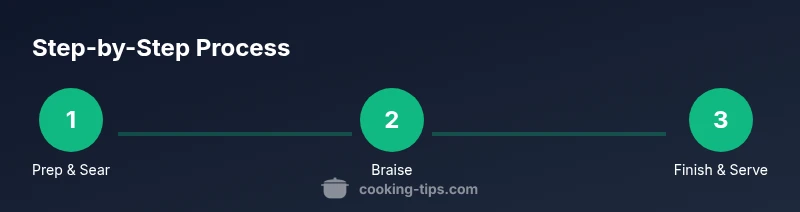
- Dry ribs and season. 2) Sear in batches until well-browned. 3) Deglaze pan and combine with braising liquids. 4) Transfer to slow cooker, add aromatics. 5) Braise on low 8–9 hours. 6) Skim fat, reduce sauce if needed, serve over starch.
This template keeps the process consistent across different rib cuts and cooking setups.
AUTHORITY SOURCES
- Food Safety and Inspection Service (FSIS), U.S. Department of Agriculture: safe cooking temperatures and handling guidelines for beef.
- Extension programs from U.S. universities (e.g., Oregon State Extension) offering practical kitchen-tested techniques for braising and meat tenderness.
- Serious Eats, a major culinary publication, providing in-depth guidance on browning, deglazing, and braising techniques.
Tools & Materials
- Slow cooker (6-quart minimum)(Fits 2–3 pounds bone-in short ribs per batch; ensure lid seals well.)
- Heavy skillet or cast-iron pan(For proper searing and fond formation.)
- Tongs(To turn ribs without piercing the meat.)
- Chef’s knife(For trimming and portioning ribs.)
- Cutting board(Stable surface for prep.)
- Measuring spoons and cups(For precise seasoning and liquid ratios.)
- Wooden spoon or spatula(To stir and deglaze without scratching.)
- Beef stock (4 cups)(Base for braising liquid.)
- Dry red wine (1 cup)(Adds depth; substitute with extra stock if avoiding alcohol.)
- Onion, garlic, carrot, celery(Aromatic foundation.)
- Tomato paste (1–2 tbsp)(Adds body and color to the sauce.)
- Bay leaves and thyme(Fragrance boosters.)
- Olive oil or neutral oil(For searing.)
- Salt and pepper(Seasoning base; adjust to taste.)
- Optional thickener (cornstarch or arrowroot)(To lightly finish the sauce if needed.)
Steps
Estimated time: Estimated total time: 9–10 hours
- 1
Prep ribs
Pat dry the ribs thoroughly, trim excess fat, and season generously with salt and pepper. Rest 10–15 minutes to allow seasoning to penetrate the surface. This step sets up browning and flavor for the braise.
Tip: Dry surfaces brown better; avoid crowding the meat when seasoning. - 2
Sear the ribs
Heat a heavy skillet with oil until shimmering. Sear ribs in batches until deeply browned on all sides, about 3–4 minutes per side. Don’t move them too soon—letting a crust form improves flavor.
Tip: Batch searing prevents steaming and ensures a rich crust. - 3
Deglaze the pan
Pour wine or a splash of stock into the hot pan and scrape up all the browned bits (fond). These bits are flavor gold and should be incorporated into the braising liquid.
Tip: Use a wooden spoon to loosen bits without scratching the pan. - 4
Prepare braising liquid
Combine beef stock, tomato paste, aromatics, and optional soy or Worcestershire in the skillet or a separate pot to build a rich base. Simmer briefly to marry flavors before combining with ribs.
Tip: Tomato paste benefits from a quick sauté to mellow acidity. - 5
Load into slow cooker
Transfer seared ribs to the slow cooker and pour the braising liquid over them. Add onions and other aromatics, then ensure ribs are mostly submerged.
Tip: Liquid should cover at least two-thirds of the meat for even braising. - 6
Set and braise
Cover and cook on low for 8–9 hours, or until the meat is fork-tender and falling off the bone. Avoid lifting the lid to keep heat steady.
Tip: Low and slow is the key to tenderness. - 7
Finish the sauce
Skim excess fat from the surface, then simmer the sauce uncovered for 10–15 minutes to lightly reduce and intensify flavor if needed.
Tip: A glossy, slightly thick sauce clings to the ribs nicely. - 8
Serve and rest
Remove ribs carefully, let them rest a few minutes, and serve with mashed potatoes, polenta, or potatoes to soak up the sauce.
Tip: Resting briefly helps retain juices for even tenderness.
Quick Answers
Can I use boneless short ribs for this method?
Yes, boneless short ribs can work, but bone-in ribs usually yield deeper flavor from the marrow and connective tissue. If using boneless, increase braising liquid slightly and monitor tenderness.
Boneless works, but bone-in adds more richness; adjust liquid and time accordingly.
Do I really need to brown the meat before braising?
Browning adds flavor through the Maillard reaction and helps render fat. It’s not strictly mandatory, but it dramatically improves depth and color of the final sauce.
Browning is highly recommended for best flavor and color.
What if I don’t have red wine?
If you don’t have red wine, substitute with extra beef stock or a splash of balsamic for acidity and complexity. The braise will still develop deep beefy flavors.
No wine? Use stock plus a touch of balsamic for depth.
How should I reheat leftovers without drying the meat?
Reheat gently on the stove or in a microwave at medium power, with a little extra braising liquid to keep the ribs moist. Resting briefly after reheating helps redisperse juices.
Reheat slowly with extra sauce to keep moisture.
Can I adapt this for other cuts or meats?
Yes. This method works for other braising cuts (e.g., beef chuck or lamb shanks). Adjust cooking time based on the cut’s tenderness and size, but keep the browning and braising principles.
You can braise other cuts by following the same browning and slow cooking steps.
Is this suitable for freezing?
Leftovers freeze well if cooled and stored in airtight containers with some sauce. Reheat slowly to preserve moisture and texture.
Leftovers freeze fine; reheat gently to keep moisture.
Watch Video
Top Takeaways
- Brown the meat deeply for best flavor
- Braise low and slow for fork-tender ribs
- Balance stock, wine, and aromatics for rich sauce
- Skim fat and finish sauce to shine
- Serve with starches to catch the sauce and juices