How to Cook Ribs in the Oven: Step-by-Step Guide
Learn how to cook ribs in the oven with a reliable, step-by-step method. From prep and rub to glaze, discover tips for tender, juicy ribs every time.


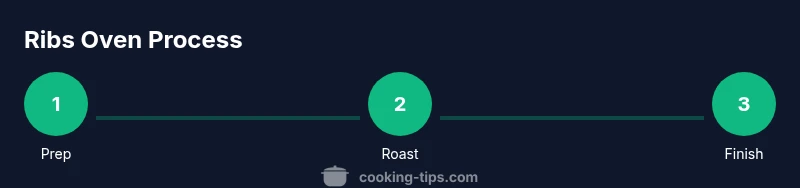
You can cook ribs in the oven by slow-roasting seasoned racks, then finishing under high heat for caramelization. Start with a dry rub, wrap in foil, roast low and slow until tender, then uncover and brush with sauce for a final glaze. Keep moisture by adding a splash of liquid to the pan, and finish with your preferred sauce. Rest the ribs before slicing for juiciness.
The Basics: How Oven Ribs Work
According to Cooking Tips, the oven's steady, dry heat makes ribs forgiving and uniform. Ribs cook through conduction from hot air and the pan juices, so a gentle, low temperature helps break down connective tissue while keeping the meat juicy. Bone-in ribs stay moist when you manage moisture and airflow, while rib meat's natural fat renders, adding flavor. In practice, there are two common rib types: baby back ribs, leaner with a quicker cook, and spare ribs, larger with more connective tissue that benefits from longer baking. The aim is tender meat that clings to the bone and a crusty exterior. To achieve that, you want a two-stage approach: a long, low roast to render collagen, followed by a high-heat finish to caramelize surface sugars and develop flavor. This combination is why the oven is such a reliable tool for ribs in home kitchens.
Choosing Ribs and Prep
When selecting slabs, look for firm meat, evenly spaced ribs, and minimal discoloration. If possible, choose racks that are similar in thickness so they cook evenly. Remove the membrane from the bone side for better rub penetration and tenderness. Pat the meat dry to ensure the rub adheres and the surface browns nicely. If you have time, you can season the ribs a few hours ahead or even overnight in the fridge for deeper flavor. For convenience, work with bone-in ribs; they stay juicier and are easier to monitor for doneness. Before cooking, bring the ribs to room temperature for about 20-30 minutes; this helps them cook evenly and prevents a cold center when you put them in a hot oven.
Dry Rubs, Marinades, and Sauces
Most cooks rely on a dry rub to build a balanced crust. A simple, reliable blend includes kosher salt, black pepper, paprika, brown sugar, garlic powder, and a touch of chili powder or cumin for warmth. You can add dried herbs like oregano or thyme if desired. Rub evenly across both sides, pressing gently so the spices cling. For extra depth, you can apply a light glaze or marinade after the initial bake; sauces should be chosen to complement the rub rather than overwhelm it. If you prefer a wet marinade, keep it light to avoid masking the crust. The glaze you finish with can be sticky, sweet, tangy, or smoky depending on preference.
Moisture Management: Wrapping, Spritzing, and Pan Juices
One of the keys to tender oven ribs is moisture management. You can wrap the ribs in foil (a loose tent is enough) to trap steam and render fats more gently, especially for larger racks. Some cooks spritz or baste with a light liquid such as apple juice, stock, or water every 45 minutes to keep the surface from drying and to maintain a glossy finish. If you wrap, you can also return the pan juices to the meat by unwrapping briefly and spooning the liquid over the ribs. This step helps preserve moisture without washing away the rub. Remember, the goal is a soft bite with a little resistance and a flavorful crust.
Temperature and Time: A Flexible Framework
Ribs respond well to low, steady heat and a slow mindset. Set your oven to 250-275°F (120-135°C) for the bulk of the cook. Expect the meat to tenderize as collagen breaks down; the exact time depends on rib size and your oven’s personality. When the meat starts to feel loose from the bone and flexes with gentle pressure, you’re approaching doneness. For a finish, you can increase the temperature to 425-450°F (220-230°C) for 8-15 minutes to caramelize the surface and set the glaze. If you prefer a more forgiving method, you can skip the final blast and continue to cook at a lower temperature until tender. The key is to check tenderness by slicing a small piece or using a meat thermometer to test for probe tenderness.
Common Mistakes and How to Fix Them
Overcooking leads to dry meat; undercooking leaves the connective tissue chewy. Rushing the prep reduces rub absorption; always pat dry and give rub time. Not drying surface results in a pale crust. Using too much sugar in the rub can burn at the finish; balance sweet with acid and spice. Skipping resting time causes juices to run out when cut; rest the ribs for 10-15 minutes before slicing. If your ribs lack flavor, extend the rub or adjust salt and heat. If the surface browns too quickly, tent with foil and reduce oven heat slightly while continuing to cook.
Finishing Touches: Glazes, Resting, and Serving
When the ribs are tender and the surface is nicely caramelized, brush on your glaze and return to the oven or broiler for a few minutes to set it. Let the meat rest for 10-15 minutes before slicing to keep juices evenly distributed. Slice between the bones for clean portions and serve with classic sides like coleslaw, corn on the cob, or baked beans. A final sprinkle of flaky salt or a squeeze of fresh lime can brighten the finish and balance the richness.
Troubleshooting Quick Reference
If the meat seems tough, give it more time at a gentle temp rather than raising heat. If the crust won’t brown, finish under a hotter flame or broiler for a short period. If your ribs dry out, wrap during the middle phase and peek every 20 minutes. If the flavor feels flat, adjust the rub and glaze in a future attempt. Remember to let ribs rest before slicing for maximum juiciness.
Tools & Materials
- Oven(Set to 250-275°F (120-135°C) for low-and-slow cooking)
- Rimmed baking sheet(Catches drips and prevents under-baking)
- Wire rack(Elevates ribs for even heat circulation)
- Heavy-duty aluminum foil(For wrapping or tenting)
- Meat thermometer(Check for tenderness and doneness)
- Tongs(Move ribs safely without tearing meat)
- Basting brush(Apply glaze evenly)
- Dry rub ingredients(Salt, pepper, paprika, brown sugar, garlic powder)
- Mixing bowl(Combine rubs or glaze)
Steps
Estimated time: 2-3 hours
- 1
Preheat and prep
Preheat oven to 250-275°F. Rinse ribs and pat dry. Remove the silver skin from the bone side for better rub absorption. This sets up even cooking and tender results.
Tip: Preheating ensures stable, even heat when the ribs go in. - 2
Pat dry and trim
Dry surfaces improve rub adhesion and browning. Trim any excess fat if you prefer leaner edges, but leave some fat for flavor and moisture.
Tip: A dry surface helps the rub form a crust rather than sliding off. - 3
Apply rub evenly
Coat both sides with your chosen dry rub, pressing gently to help the spices cling. Let the rub sit 10-15 minutes if possible to enhance flavor.
Tip: Even coverage ensures consistent flavor across every bite. - 4
Arrange on rack
Place ribs on a wire rack set over a rimmed sheet. This promotes air circulation and even cooking around the meat.
Tip: Elevating ribs prevents sitting in pooled fat and juices. - 5
Roast low and slow
Roast uncovered at 250-275°F until the meat is tender and starts to pull away from the bone. Expect this to take several hours depending on thickness.
Tip: Check tenderness with a fork or probe for a sense of doneness. - 6
Finish with glaze
If you want a glossy finish, brush on a glaze and bake or broil briefly at a higher heat to set the sugars and deepen color.
Tip: Keep a close eye to avoid burning the sugars. - 7
Rest and slice
Let the ribs rest 10-15 minutes before slicing between the bones for juicy servings.
Tip: Resting redistributes juices for easier carving.
Quick Answers
Can I use boneless ribs in the oven?
Yes, boneless rib portions work in the oven; they cook faster and may require less time. Watch for overcooking as they dry quickly.
Yes, boneless ribs work, but watch for overcooking.
Should I wrap ribs in foil?
Wrapping or tenting helps retain moisture, especially for larger slabs. You can finish uncovered to brown the surface.
Wrapping helps keep moisture, finish uncovered for browning.
What internal temperature shows doneness for ribs?
Ribs are typically tender when the meat is near or just past the probe-tender stage, which often corresponds to around 190-203°F at the thickest part for pork.
Tenderness is key; aim for probe tenderness around 190-203°F.
Do I need to rest the ribs after cooking?
Resting lets juices redistribute, improving moisture and cutting performance. A 10-15 minute rest is typical.
Yes, rest 10-15 minutes before slicing.
Can I skip the glaze and still have tasty ribs?
Yes, you can rely on a strong rub and the smoke of caramelized sugars achieved during roasting. A glaze adds extra shine and sweetness as an option.
You can skip glaze, but glaze adds shine and flavor if you want it.
Watch Video
Top Takeaways
- Season evenly for consistent flavor.
- Low-and-slow oven cooking yields tender ribs.
- Wrap or tent to retain moisture when needed.
- Finish with glaze for a caramelized crust.
- Rest before slicing for juicy servings.