Cook Without Fire Recipes: A No-Heat Meal Guide
Explore practical no-fire recipes and no-heat cooking techniques for quick, safe, delicious meals. Learn planning, tools, and ideas to cook with heat-free methods at home, in dorms, or on the go.


No-fire cooking lets you craft tasty meals without an open flame, using methods like microwaving, electric heating, soaking, chilling, and steam from kettle-ready water. You’ll plan simple no-heat menus, assemble rapid recipes, and store components for quick lunches and dinners. This guide covers techniques, ingredients, and safety for reliable, energy-efficient cooking.
Why No-Fire Cooking Matters
No-fire cooking offers a flexible, energy-efficient approach to meals, especially in hot climates, shared kitchens, or travel. By using safe electric heat sources, chilled or soaked ingredients, and quick microwaving, you can prepare nutritious dinners and easy lunches without an open flame. The Cooking Tips team notes that adopting no-fire recipes can reduce kitchen heat and energy use, simplify meal prep, and boost confidence for beginners. In warm months, avoiding flame-based cooking also helps you stay comfortable while keeping food safe and delicious. This approach supports a practical, budget-friendly kitchen routine that emphasizes fresh produce, whole grains, and pantry staples. Embrace the idea that delicious meals don’t require a cooktop flame—just smart planning and the right tools.
Core No-Fire Techniques
No-fire cooking relies on techniques that don’t require a flame. The essential methods include: no-heat prep (washing, chopping, combining ingredients cold), microwave finishing or cooking (heats quickly without a flame), electric kettles or steamers (infuse flavors or steam vegetables), soaking and marinating (softens textures and enhances flavor without heat), and chilled or no-bake preparations (salads, sandwiches, overnight oats). By combining these approaches, you can create balanced meals with protein, fiber, and healthy fats. A simple framework: assemble a base (greens, grains, legumes), add protein (tuna, beans, cheese, yogurt), then finish with herbs, acids, and texture (crunchy veggies, nuts, seeds). The emphasis is on safety, freshness, and timely eating. Also note that some ingredients benefit from brief gentle heating in a microwave or electric steamer, rather than long stovetop cooking.
Essential ingredients for no-fire meals
Stock a versatile set of ingredients that work well in no-fire recipes. Emphasize fresh produce, canned or jarred proteins, dairy or plant-based substitutes, and pantry staples. Build meals around legumes (canned chickpeas, lentils), whole grains (rice, quinoa), crunchy vegetables (bell peppers, cucumbers), and a protein source (shredded chicken, tuna, tofu). Flavor boosters like olives, feta, lemon juice, and olive oil elevate dishes without heat. For breakfasts, stock oats, yogurt, seeds, and fruit; for snacks, keep nuts and nut butters on hand; for dinners, maintain canned tomatoes, beans, and a grain base. Remember to check labels for added sugars and high-sodium ingredients to keep meals balanced. Cooking Tips recommends prioritizing fresh produce and simple dressings to keep flavors vibrant without cooking.
Tools and equipment that make no-fire cooking easy
The right tools transform no-fire cooking from a chore to a quick routine. Essential items include a sharp chef’s knife and cutting board for safe prep, mixing bowls for assembling components, airtight containers for storage, and a high-quality can opener. A microwave or electric steamer enables rapid finishing or gentle heating of ingredients without a flame, while an electric kettle provides hot water for rinsing, infusion, or rehydration. A quality colander helps you rinse produce efficiently, and a handheld mixer or whisk speeds up emulsions for dressings. Finally, durable measuring cups and spoons keep portions consistent, which is helpful when you’re juggling multiple no-fire recipes. Having these tools on hand reduces prep time and supports consistent results.
Quick no-fire recipes you can assemble in 10 minutes
No-fire meals shine when you combine ready-to-eat items with crisp vegetables and bright dressings. For lunch, make a chickpea and veggie salad: drain canned chickpeas, dice tomatoes, cucumbers, red onion, and bell pepper; dress with lemon juice, olive oil, salt, and pepper. For a protein-packed snack, blend Greek yogurt with honey, a handful of nuts, and berries. Breakfast ideas include overnight oats layered with yogurt and fruit; or a smoothie bowl using yogurt, frozen fruit, and your favorite toppings. For dinner, roll up a tuna and avocado wrap or assemble a caprese-style mozzarella and tomato plate with a drizzle of balsamic. The key is to balance textures, add fresh herbs, and use acid to brighten flavors.
Planning a no-fire week: menus, batching, and timing
A week of no-fire cooking starts with planning. Create a simple rotating menu that covers breakfast, lunch, and dinner with 2–3 no-fire options per meal. Batch-prep components like chopped veggies, cooked grains, and canned proteins so you can mix and match through the week. Schedule a 20–30 minute prep session several times a week rather than attempting everything in one long session. Use containers labeled with dates and contents to track freshness and ensure safe storage. Keep a running list of go-to no-fire recipes so you can quickly assemble meals without thinking through every step. Cooking Tips emphasizes maintaining variety by switching proteins, vegetables, and dressings to keep meals interesting.
Safety and hygiene when no-fire cooking
With no-fire cooking, safety hinges on proper handling of perishable ingredients, cleanliness, and appropriate storage. Always wash produce under running water and dry thoroughly before chopping. Use separate boards for vegetables and proteins to avoid cross-contamination, and refrigerate perishables promptly after purchase. When using a microwave, cover dishes to retain moisture and heat evenly, and stir or rotate halfway through cooking for consistent results. Avoid leaving ready-to-eat foods at room temperature for extended periods; refrigeration slows bacterial growth and keeps flavors fresh. If you’re reheating, ensure the internal temperature reaches a safe level and avoid overheating delicate ingredients like greens, which can lose texture.
Substitutions and adapting recipes for dietary needs
No-fire recipes are highly adaptable. Use plant-based proteins like beans, lentils, or tofu when you avoid meat, or swap dairy for fortified plant milks for lactose-free diets. When a recipe calls for cheese or yogurt, choose dairy-free alternatives if needed, and adjust acids (lemon, vinegar) to balance flavors. If you want gluten-free options, substitute quinoa or rice for wheat-based grains and choose gluten-free wraps or crackers. For higher protein meals, add extra legumes, edamame, or canned tuna; for lower-sodium options, rinse canned beans and choose low-sodium stock. Keeping a list of reliable substitutions helps you tailor meals without sacrificing taste or texture. Cooking Tips notes that flexibility is the core of no-fire cooking, enabling everyone to enjoy quick, safe meals.
Authority sources and further reading
For more information on safe cooking, food handling, and nutrition guidance, consult trusted sources. The FDA provides food safety tips and guidelines for handling perishable foods, while Nutrition.gov offers practical dietary guidance suitable for home cooks. Harvard T.H. Chan School of Public Health’s resources on healthy eating reinforce the value of balancing meals with vegetables, proteins, and whole grains. These references can support your no-fire cooking journey and ensure your meals meet safety and nutrition standards.
Infographic overview: no-fire cooking steps (visual guide)
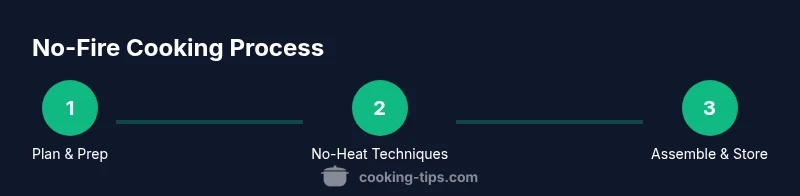
This block introduces a process-focused visual that breaks down no-fire cooking into simple steps: gather ingredients, prep cold, heat selectively with microwaves or steam, assemble, and store. The infographic helps you quickly recall the flow during busy days and is a handy reference in the kitchen. The steps align with the approach described in this guide, making it easy to translate concepts into practical actions.
Authority sources for no-fire cooking
- Cooking Tips Analysis, 2026
- U.S. Food and Drug Administration (FDA): Food Safety Tips and Guidelines https://www.fda.gov
- Nutrition Information from Nutrition.gov https://www.nutrition.gov
- Harvard T.H. Chan School of Public Health https://www.hsph.harvard.edu
Tools & Materials
- Sharp chef’s knife(Non-slip grip; use with a stable cutting board)
- Cutting board(Stable, non-slip surface; wash between uses)
- Mixing bowls(Various sizes, BPA-free preferred)
- Airtight containers(For batch prep and storage, labeled with date)
- Microwave or electric steamer(For safe no-fire finishing and gentle heating)
- Electric kettle(Hot water for rinsing, infusion, or rehydration)
- Colander/strainer(For washing produce and draining canned goods)
- Measuring cups and spoons(Accurate portions and dressings)
- Salad spinner (optional)(Dries greens quickly for crisp textures)
- Food thermometer (optional)(Checks internal temperatures for safety)
Steps
Estimated time: 75-90 minutes
- 1
Gather ingredients and plan meals
Review your weekly no-fire menu and assemble all components you will use. Group proteins, grains, vegetables, dairy or substitutes, and flavor boosters. This upfront planning saves time and reduces waste.
Tip: Create a rough 3-4 day plan so you can reuse components across meals. - 2
Wash, prep, and portion ingredients
Wash produce, peel or trim as needed, and portion into sensible amounts for quick assembly. Keep raw proteins separate and store cold to maintain safety. Pre-chop items should be refrigerated promptly to prevent spoilage.
Tip: Use separate cutting boards for vegetables and proteins to prevent cross-contamination. - 3
Prepare no-heat bases and components
Assemble bases like chopped greens, grains, and beans in bowls. Prepare dressings and dips, emulsions, and ready-to-eat toppings in advance so you can mix-and-match later.
Tip: Label each component with date and contents for easy rotation. - 4
Use microwaves or steam for safe heating
Finish or warm ingredients using a microwave or electric steamer rather than an open flame. Stir halfway, check texture, and avoid overheating delicate greens or dairy.
Tip: Cover dishes to promote even heating and prevent splatter. - 5
Assemble meals and portion for storage
Combine bases, proteins, vegetables, and toppings into individual meals or containers. Seal and refrigerate promptly for up to 3-4 days, or freeze for longer storage.
Tip: Arrange meals by day and keep a running list of what's in each container. - 6
Reheat safely or serve cold
If reheating, aim for even heat and avoid overheating; for cold meals, ensure ingredients remain chilled until serving. Keep tasting notes to adjust seasoning for future batches.
Tip: Use a microwave-safe lid to retain moisture and flavor.
Quick Answers
What counts as no-fire cooking?
No-fire cooking uses methods that avoid open flames, such as microwaving, steaming with an electric kettle, soaking, chilling, and no-bake preparations. It focuses on safety, efficiency, and flavor without traditional stove-top or oven heat.
No-fire cooking uses heat-free or electric-heat methods like microwaving and steaming, avoiding open flames.
Can I cook meat without fire?
Yes, you can use precooked or canned meats, or heat briefly in a microwave or steamer. Always ensure safe handling and proper storage, and consider refrigerating leftovers promptly.
Meats can be handled safely with microwave or steam, as long as they’re pre-cooked or properly stored.
Are no-fire recipes safe in warm climates?
Yes. No-fire methods minimize stove heat, and proper refrigeration is crucial in warm climates. Use cold preparations, salads, and quick finishes to keep food safe and enjoyable.
Absolutely, just keep things cold and refrigerate promptly to prevent spoilage.
What equipment makes no-fire cooking easier?
Key tools include a sharp knife, cutting boards, bowls, airtight containers, a microwave or steamer, an electric kettle, and measuring tools. These enable quick prep, safe handling, and flexible meal assembly.
A sharp knife, bowls, airtight containers, microwave or steamer, and an electric kettle make no-fire cooking much easier.
Can no-fire recipes meet dietary needs (gluten-free, vegan, etc.)?
Absolutely. Choose gluten-free grains like quinoa, use legumes and tofu for protein, and pick dairy-free substitutes as needed. No-fire cooking supports many diets with careful ingredient choices.
Yes—adjust grains, proteins, and dairy to fit gluten-free or vegan needs.
How long do no-fire meals stay fresh in the fridge?
Most no-fire prepared meals stay fresh for 3-4 days in the fridge if kept in airtight containers. Freeze for longer storage and label with dates.
Typically 3-4 days in the fridge; freeze for longer storage and label everything.
Watch Video
Top Takeaways
- Plan no-fire meals with a simple, repeatable framework
- Use safe heating methods like microwave or steam, not flames
- Batch prep saves time and reduces waste
- Prioritize safety: proper washing, labeling, and refrigeration