Cook Without Electricity: Practical Off-Grid Cooking
Learn practical methods to cook without electricity using fire, gas, solar, and smart prep. This comprehensive guide covers safety, gear, and step-by-step off-grid cooking techniques for home cooks.


You can cook without electricity by using safe, proven off-grid methods such as solar ovens, wood or charcoal fires, and portable gas stoves. Plan meals around available fuel, use appropriate cookware, and follow safety guidelines to prevent accidents or contamination. This approach lets you prepare reliable, tasty meals during power outages or outdoor adventures.
Off-Grid Cooking: Core Principles
Cooking without electricity hinges on planning, safety, and flexible heat sources. The goal is reliable, tasty meals while minimizing waste and risk. According to Cooking Tips, mastering a few core concepts makes off-grid cooking approachable for home cooks. Start with a clear plan for each meal, know your fuel options, and respect safety rules around fire and hot equipment. This foundation helps you improvise with what you have, from a sunny day solar oven to a sturdy wood-fire setup. When you approach cooking without power, treat it like a small kitchen you assemble outdoors: you choose heat sources that suit your space, you use cookware designed for open flames, and you time steps so foods reach safe temperatures. By aligning technique, gear, and timing, you can cook confidently even during a power outage or a weekend camping trip. The Cooking Tips team emphasizes practice with simple recipes to build confidence before tackling more complex dishes.
Choosing Fuel Sources: Fire, Gas, and Solar
Off-grid cooking relies on fuel sources beyond electricity. Fire-based methods (wood, charcoal) deliver robust heat and are forgiving for large pots; gas stoves and portable butane canisters simplify temperature control indoors or with shelter; solar cooking uses passive sunlight, best in clear skies and proper orientation. Each option has constraints: wood and charcoal require ventilation and cleanup; gas needs regulators and safe storage; solar ovens depend on sun, time, and cookware design. For a typical week, a hybrid approach works well: a gasoline or camping stove for weekday meals, a cast-iron or Dutch oven over a fire for weekend meals, and a solar oven for slow-cooked dishes when conditions allow. Safety is non-negotiable: keep fuels away from flammables, never leave live flames unattended, and have a fire extinguisher or water source nearby.
Essential Equipment for Off-Grid Kitchens
A well-equipped off-grid kitchen relies on durable, heat-tolerant gear. Core items include a cast-iron skillet and a Dutch oven for versatile cooking over direct flame or coals; a sturdy stock pot for soups and grains; a kettle for hot water and beverages; a portable gas stove or camp stove for reliable heat when wood is scarce; and a compact solar oven for daytime slow cooking. Don’t forget heat-safe gloves, long-handled tongs, a thermometer, and food storage containers to keep ingredients safe between meals. Consider a compact foldable table and a windscreen to stabilize temperature, especially in breezy outdoor settings. Selecting metal cookware with proper seasoning will improve heat distribution and longevity when used over fire.
Cooking Techniques: From Fire to Solar to Backups
In off-grid cooking, learning a few core techniques expands what you can make. Direct heat is great for searing and fast meals, while indirect heat works for stews and braises. A Dutch oven or heavy pot excels when cooking over embers or a camp stove. Solar cooking, when conditions permit, uses reflective surfaces to concentrate sunlight for slow braises and baking. A backup method, like a portable gas stove, ensures you can finish a meal even on cloudy days. Temperature control is the key: know how to regulate heat by adjusting distance from the flame, lifting pots off heat, or adding water to modulate simmering. Practice builds intuition for when to extend cooking time or use carryover heat after removing from flame.
Safe Food Handling and Temperature Control Off-Grid
Food safety remains critical off-grid. Prioritize cooking foods to safe textures and doneness without relying on an electric refrigerator. Use clean pots and utensils, separate raw from cooked foods, and clean equipment between steps. When possible, bring perishable items into a shaded area or use insulated containers to minimize spoilage. A food thermometer is valuable to verify doneness, but if you don’t have one, rely on color, texture, and clear bubbling during simmering. Avoid leaving cooled foods in the danger zone by refrigerating with ice packs if a cooler is available. Always practice good hand hygiene and sanitize surfaces before meals. The goal is reliable safety alongside flavorful meals.
Sample Meal Plan: Breakfast, Lunch, Dinner Without Power
Here is a simple, adaptable day plan for off-grid cooking. Breakfast could be oats simmered in a kettle with dried fruit and nuts. Lunch might be chickpeas and rice cooked in a Dutch oven over a small fire, with a quick vegetable sautée on a cast-iron pan. Dinner can be a hearty lentil stew slowly simmered in a heavy pot, finished with herbs. Each meal uses minimal equipment and can be prepared with a single heat source if necessary. Adapt portions to family size and weather conditions, and batch cook when you have extra fuel or sunlight to save time later in the day.
Meal Prep and Storage Without Electricity
Meal-prep strategies help conserve fuel and reduce daily cooking loads. Pre-wash and chop vegetables, soak grains, and portion proteins when you have reliable heat or daylight. Use reusable containers and sealable bags to minimize waste. Store staples like dried beans, rice, and shelf-stable sauces in a cool, dry place. If refrigeration is unavailable, refrigerate only after cooking and use insulated bags or ice packs to extend freshness for a short window. Label leftovers with dates and plan menus that reuse ingredients to minimize waste and maximize efficiency. Comfort foods and familiar recipes reduce stress when power is out or during camping trips.
Cleaning Up Without Electricity
Cleaning up after meals without electricity emphasizes safety and water management. Allow pots and pans to cool safely away from combustibles before cleaning. Use minimal water, rinse with small amounts, and wipe surfaces with a damp cloth when possible to reduce waste. Store dirty utensils in a dedicated container until you can wash them with soap and hot water. If you’re in a remote area, plan a simple waste disposal routine that avoids contaminating water sources. Sanitize hands and surfaces and dry them thoroughly to prevent mold or bacterial growth. Keep cleaning supplies accessible and organized for quick post-meal routines.
Troubleshooting Common Scenarios and Quick Fixes
Power outages, limited fuel, or poor sunlight require quick adaptations. If heat is insufficient, rearrange cookware to maximize contact with heat or add more fuel, if safe. When solar cooking underperformes, switch to a gas stove or a small fire while keeping safety in mind. If you run out of essential ingredients, improvise with substitutes that share similar texture and flavors. Always have a backup plan for emergencies: store a few ready-to-use, non-perishable ingredients and keep a basic toolkit for fire-building and safe cleanup. With practice, you’ll develop resilience and creative solutions for various off-grid cooking scenarios.
Tools & Materials
- Cast-iron skillet(Excellent heat retention and durability for direct flame.)
- Dutch oven(Great for braises and stews over coals or fire.)
- Stock pot(For soups, grains, and boiling water.)
- Kettle(Hot water for tea, coffee, or rehydrating foods.)
- Portable stove (gas or propane)(Useful backup when firewood is unavailable.)
- Solar oven or reflective setup(Best on sunny days for slow cooking.)
- Fireproof gloves(Protect hands when handling hot pots.)
- Tongs and spatula(Safe handling of hot cookware.)
- Food thermometer(Optional but helps ensure doneness.)
- Insulated cooler(Keeps perishables longer without electricity.)
- Water and soap(For basic sanitation during cleanup.)
Steps
Estimated time: 90-120 minutes
- 1
Plan fuel and setup
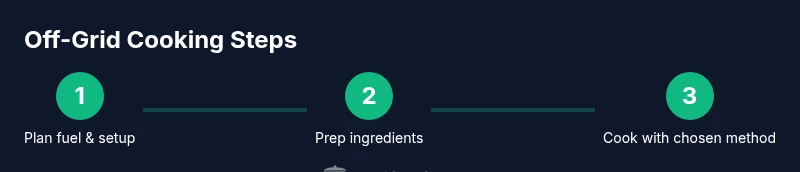
Choose your primary heat source for the meal and prepare the cooking area. Gather fuel sources and ensure you have proper ventilation. Confirm safety equipment is within reach and away from flammables. This step saves time during active cooking and reduces the risk of accidents.
Tip: Always check wind direction to prevent smoke from blowing into your face or food. - 2
Prep ingredients
Wash, chop, and portion ingredients before heating. Having everything measured and ready minimizes the need to search for items while the fire is hot. Use separate bowls for raw and cooked components to reduce cross-contamination.
Tip: Label bags or containers to keep ingredients organized. - 3
Heat management
Set up your pot over the heat source and monitor the flame. Adjust distance from flame to control temperature. If simmering, keep the lid slightly ajar to maintain gentle heat without boiling over.
Tip: A long-handled lid lifter helps you adjust without leaning over flames. - 4
Cook main dish
Cook the main dish using indirect heat when needed to avoid scorching. Check texture and doneness periodically; add small amounts of liquid if the surface dries out. Maintain steady heat and avoid leaving pots unattended.
Tip: Use a heavy lid to trap heat for even cooking. - 5
Add finishing touches
Stir in herbs or acids at the end to brighten flavors. Remove from heat a little early to account for carryover cooking. Rest briefly before serving to let flavors meld.
Tip: Taste and adjust salt gradually to avoid oversalting. - 6
Serve and rest
Transfer to clean serving vessels and allow foods to rest in a cool area if possible. Use insulated containers for hot items to maintain temperature during serving. Clean up immediately after to keep the area safe and ready for the next meal.
Tip: Keep a small hand towel nearby for quick cleanups. - 7
Clean tools and store
Wash and dry cookware, then store in a dry place. If water is scarce, wipe clean with a damp cloth and air-dry. Return fuels and tools to their designated spots.
Tip: Drying thoroughly prevents rust and preserves cookware quality. - 8
Review and adapt
Reflect on what worked and what didn’t—fuel efficiency, heat control, and timing. Note adjustments for future meals and consider stocking backup fuel or alternative cooking methods.
Tip: Keep a simple recipe notebook for repeatable off-grid meals.
Quick Answers
Is it safe to cook indoors when the power is out?
Indoor cooking during a power outage can be safe if you use approved appliances and ventilation. Do not use charcoal, propane, or other open-flame devices indoors due to carbon monoxide risk. If you must cook indoors, rely on a certified electric or battery-powered appliance and keep exits clear for ventilation.
Indoor cooking should be done with approved appliances and ventilation; avoid open flames indoors during outages.
What fuel source is easiest for beginners?
Gas stoves or portable propane stoves are usually the simplest for beginners because they offer predictable controls and quick heat. Solar ovens work well in sunny conditions but require planning. Wood fires provide flavor, but they demand more skill and attention.
Gas stoves are typically easiest for beginners, with solar for sunny days and wood for flavor but more effort.
Can I cook rice without electricity?
Yes. Use a pot with a lid, bring water to a boil, add rice, reduce heat, and simmer until tender. If heat is limited, pre-soak rice to reduce cooking time and use a compact stove for steady heat.
You can cook rice on a camp stove or fire by simmering with a covered pot.
Do I need special cookware for off-grid cooking?
While not mandatory, durable cookware like cast-iron skillets and Dutch ovens excel for open-flame cooking. Avoid delicate nonstick pans over high direct heat. Equip with heatproof gloves and long-handled tools.
Cast-iron and Dutch ovens are ideal for off-grid cooking; avoid delicate pans near flames.
How should I store meals without a fridge?
Store perishable items in a cool, shaded area or with insulated containers and ice packs if available. Cook and consume leftovers within a safe window and label them with dates for easy turnover.
Use coolers or insulated containers and label leftovers to stay organized.
Watch Video
Top Takeaways
- Plan fuel ahead to stay flexible
- Use durable cookware for open-flame cooking
- Keep safety gear accessible at all times
- Practice simple recipes to build confidence
- Cook, rest, and store foods safely without electricity