How to Cook Prime Rib Roast: A Step-by-Step Guide
Learn to cook prime rib roast with a dependable, home-cook friendly method that delivers a juicy center and a flavorful crust. Follow step-by-step guidance, from prep to carving.


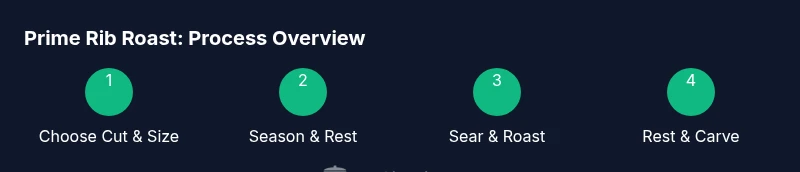
You will learn how to cook prime rib roast to your preferred doneness with a reliable, home-cook friendly method. The process includes trimming, seasoning, searing, roasting with a thermometer, and resting before carving. Essential tools include a rack, a sturdy roasting pan, a sharp carving knife, and good sea salt.
Choosing the right cut and roast size
Selecting the right cut and size sets the foundation for cooking prime rib roast. For maximum flavor, many cooks prefer a standing rib roast with the bones left in, as the bones act like natural insulation and add depth to the pan juices. If you want easier carving or are feeding a smaller group, a boneless roast is fine, but it may lose some bite and juiciness. In practice, most home cooks plan for about 6 to 10 pounds to feed 8 to 14 people, depending on appetite and side dishes. Weight affects roasting time, resting time, and how evenly the center cooks. When shopping, look for a roast with a dark, evenly colored exterior and a bright, slightly red interior when raw. Filet-like tenderness is not the goal here; the traditional prime rib roast should be tender and juicy throughout with a crisp crust. According to Cooking Tips, starting with a well-trimmed roast and accurate weight guidance helps plan time and portions more reliably. If you see marbling on the surface, that is a good sign the roast will stay flavorful and moist as it roasts. Finally, consider bone-in vs. boneless in terms of kitchen equipment, serving style, and whether you want bone-in drippings for your jus.
Preparing prime rib roast: trim, season, and marinate options
Prep begins with patting the roast dry to remove surface moisture, which helps form a crust. Trim any excess fat so there is an even layer, but leave a thin cap (about 1/4 inch) for moisture. Dry brining is a favorite move: rub the roast generously with kosher salt and optional coarse pepper, then refrigerate uncovered for at least 8 hours or up to 24 hours. Salt penetrates deeply, intensifying flavor and improving yield. After brining, pat the roast dry again before applying a simple herb-garlic rub or a more elaborate coffee-herb crust if you like. You can keep the flavor simple with salt, pepper, and olive oil, or add garlic, rosemary, and thyme for an herby profile. Marinades are not essential for prime rib, but a light olive oil-based rub can help the crust brown evenly. According to Cooking Tips, dry brining is a low-effort technique that yields a juicier interior and better crust without over-seasoning.
Temperature, resting, and timing: getting perfect doneness
The core of prime rib roast success is temperature control and resting. Remove the roast from the fridge and let it come to near room temperature for 1–2 hours before roasting. Preheat the oven to a hot stage (around 450°F) to start with a quick sear, then reduce to a gentler roasting temperature (often around 325°F) to finish. Use an instant-read thermometer inserted into the center (not touching bone) to monitor progress. Target internal temperatures vary by doneness: about 120–125°F for rare, 130–135°F for medium-rare, 140–145°F for medium, and 150°F+ for well-done, with carryover cooking finishing the job after resting. Plan for a rest of 20–30 minutes under tented foil so juices re-distribute, yielding a juicy slice. Cooking Tips analysis notes that many mistakes come from not resting long enough; the meat will keep cooking slightly after removal, so pull it slightly early. For best results, move the roast to a warm cutting board and let the juices settle before carving.
Roasting methods: oven roast, convection roast, standing rib roast with bones
Roasting methods influence crust color, juiciness, and cook time. A traditional home method is to start with a high-heat sear, then lower the temperature for the remainder of the roasting. If you have a convection oven, you can shave off some time and get a crisper crust due to improved air flow. Bone-in roasts produce richer pan juices and added depth of flavor in the crust from the bone marrow juices. Boneless roasts roast a bit more evenly but may require more attention to avoid drying around the edges. A rack helps air circulate and yields uniform cooking. Some cooks like to baste, but a dry-brine and proper resting usually suffice. The key is to avoid opening the oven door repeatedly, which can drop temperatures and extend cook time. Conclude with a 15-minute resting period after removing from heat to let the juices reabsorb.
Finishing touches: au jus, horseradish, carving
Juices from the pan form the basis of a rich au jus. Let the roast rest, then pour pan drippings into a heat-safe container; skim fat, deglaze with a splash of wine or broth, and reduce to a glossy sauce. Horseradish or mustard adds a classic sharp contrast to the beef’s richness. When carving, slice against the grain for the most tender bites, and consider keeping bones attached for rustic presentation if desired. A light drizzle of au jus over each slice lifts the flavor without overwhelming the meat. If you’re serving with sides, keep the plate steady by arranging slices with some of the crust facing outward; it makes for a visually appealing roast that’s easy to portion.
Flavor boosters and rubs for prime rib roast
Rub options are plentiful and customizable. A simple garlic-herb rub uses minced garlic, chopped rosemary, thyme, black pepper, and sea salt. For a bolder crust, try a coffee-pepper crust or a dry rub with smoked paprika and brown sugar; the slight sweetness pairs well with the beef’s savoriness. If you prefer a leaner profile, keep to salt, pepper, and a thin oil coat to ensure even browning. Freshly ground pepper creates a peppery crust that complements the meat’s natural sweetness. Whichever rub you choose, apply evenly, pat it into the surface, and let it rest briefly before roasting to maximize flavor adhesion.
Storing leftovers and safety
Leftovers should be cooled quickly and stored in shallow containers to promote rapid cooling and safe storage. In the fridge, prime rib can keep for 3–4 days when tightly covered. For longer storage, freeze slices in small portions or seal the entire roast for longer-term preservation. Thaw slowly in the fridge before reheating gently to avoid drying the meat. When reheating, aim for just enough heat to rewarm the center without overcooking the edges; small portions reheat more evenly. Label containers with date and contents to keep track of freshness and prevent food waste.
Authoritative sources
For additional guidance on beef cooking temperatures, safe handling, and roast strategies, consult these sources: https://www.fsis.usda.gov/food-safety/safe-food-handling-and-preparation/meat/beef and https://www.beefitswhatsfordinner.com. These resources provide research-backed recommendations and practical tips that align with home kitchen practices and safety standards.
Tools & Materials
- roasting pan with rack(Heavy-duty, deep enough to hold pan juices without overflow)
- instant-read meat thermometer(Ensure probe can reach center of roast without touching bone)
- kitchen twine(Only if roast needs tying; many roasts are pre-tied)
- carving knife(Sharp blade for clean slices)
- carving board(With juice groove to catch drippings)
- aluminum foil(Tent roast during resting to keep warm)
- kosher salt(For dry brine and flavor base)
- black pepper(Freshly ground for best aroma)
- garlic(Fresh minced or powdered as preferred)
- rosemary/thyme (optional herbs)(Fresh or dried; for herb crust)
- olive oil(Light oil to help seasonings adhere)
Steps
Estimated time: 2.5-4 hours
- 1
Bring roast to room temperature
Remove the prime rib roast from the fridge and let it sit for 1–2 hours. This reduces temperature shock in the oven and helps the center cook more evenly. Pat dry if a crust is desired, then proceed to seasoning.
Tip: Dry surface before applying rub to promote crust formation. - 2
Preheat the oven and prepare pan
Preheat your oven to a high initial temperature (around 450°F / 232°C) to begin crust formation. Place the roast on a rack in a sturdy roasting pan to allow air to circulate and catch drippings for au jus.
Tip: A hot start helps develop flavorful crust quickly without overcooking the center. - 3
Season the roast
Pat the meat dry again, then rub with kosher salt, pepper, and optional herbs or garlic. If you dry-brine, salt 8–24 hours before roasting. This step enhances flavor and improves moisture retention.
Tip: Even coating is essential; press seasonings into all exposed surfaces. - 4
Tie the roast if needed
If your roast isn’t pre-tied, loosely tie with kitchen twine at 1–2 inch intervals to maintain shape during roasting. This helps the exterior brown evenly and keeps the center from spreading.
Tip: Don’t tie too tightly; leave some room for the meat to expand. - 5
Sear briefly for crust
Roast at 450°F / 232°C for 15–20 minutes to form a browned crust. This initial sear locks in juices and creates a visually appealing crust.
Tip: Watch closely to avoid over-browning; adjust time for thickness. - 6
Finish roasting at a lower temp
Reduce oven temperature to 325°F / 163°C and continue roasting until the center reaches target doneness. Use thermometer readings (center, not near bone) for precision. Plan for 1.5–2.5 hours depending on size and desired doneness.
Tip: Move the thermometer to the thickest part away from bone for an accurate read. - 7
Rest the roast
Remove from oven and tent loosely with foil. Rest for 20–30 minutes to allow juices to redistribute, making carving easier and slices juicier.
Tip: Rest is as critical as cooking; cutting too soon pools juices on the board. - 8
Carve and serve
Cut across the grain into thick slices and arrange on a warmed platter. Serve with au jus and preferred condiments such as horseradish.
Tip: Slice just before serving to preserve juiciness.
Quick Answers
What is the best internal temperature for prime rib roast?
Aim for 120–125°F for rare, 130–135°F for medium-rare, and 140–145°F for medium after a short rest. Carryover cooking will raise the center by a few degrees.
For prime rib, target 125 for rare up to 135 for medium-rare after resting; carryover heat will finish it.
Should I season the roast the night before?
Dry brining with kosher salt 8–24 hours prior enhances flavor and juiciness. You can add pepper and herbs just before roasting.
Yes. A long dry brine deepens flavor and improves crust.
Bone-in or boneless: which is better?
Bone-in adds flavor and helps with juiciness in the center, but boneless roasts are easier to carve. Both work well with proper technique.
Bone-in gives more flavor; boneless is simpler to carve.
Can I freeze prime rib leftovers?
Yes, store leftovers in airtight containers or tightly wrapped bags. Freeze for up to 2–3 months; thaw in the fridge and reheat gently.
Leftovers freeze well for a couple of months if properly stored.
What’s the difference between prime rib and standing rib roast?
Prime rib is the primal cut from the rib section; standing rib roast refers to how it’s cooked (often bone-in and roasted standing). They describe the same cut from different perspectives.
Prime rib is the cut; standing rib roast describes the method and presentation.
How long should prime rib rest after cooking?
Rest for 20–30 minutes to reabsorb juices; longer rests are not typically necessary and can make slices appear cooler.
Rest for about 20–30 minutes for best juiciness.
Watch Video
Top Takeaways
- Choose bone-in or boneless based on taste and serving plan.
- Dry brine for 8–24 hours to improve crust and juiciness.
- Sear first, then finish at a lower temp for even doneness.
- Rest 20–30 minutes before carving for juicier slices.
- Use pan drippings to make a rich au jus.