Can You Cook and Freeze Potatoes? A Practical Guide
Learn how to safely cook and freeze potatoes, including blanching, storage, thawing, and reheating tips. Practical steps and best practices for home cooks.


Yes. You can cook and freeze potatoes by blanching them first, then portioning and sealing properly for freezing. This quick approach preserves texture, color, and flavor, and works for boiled, roasted, mashed, or raw-prepped potatoes. Follow the steps below for reliable results.
What You Can Achieve by Cooking and Freezing Potatoes
Freezing potatoes is a smart way to save time on busy weeknights while keeping meals convenient and inexpensive. When prepared correctly, frozen potatoes can be reheated with minimal texture loss and maintain most of their flavor. According to Cooking Tips, home cooks can freeze several potato forms—peeled and cut, mashed, or pre-cooked roasts—without sacrificing too much quality. The key is control of moisture, careful packaging, and mindful storage duration. With the right prep, you can pull frozen potatoes from the freezer and turn them into a quick side dish or base for a larger recipe, reducing waste and planning your week more efficiently.
Why Freezing Potatoes Works Best with Certain Prep Methods
Not all potato forms freeze equally well. Drier, starchy cuts like russet chunks tend to reheat with better texture than waxy whole potatoes, which can become grainy or soggy. Blanching helps preserve color and texture by inactivating enzymes that cause deterioration during freezing. After blanching, potatoes should be cooled quickly, patted dry, and packed in airtight portions to prevent freezer burn. Cooking Tips recommends labeling containers with date and contents and freezing in shallow layers for faster, more even freezing.
Choosing the Right Potato Varieties for Freezing
Potatoes with higher starch content, such as Russet or Yukon Gold, generally hold up better after freezing than very waxy varieties. For mashed potatoes, a starchy potato that mashes smoothly is ideal, while for roasted or fried applications you may prefer chunks that stay cohesive when reheated. Avoid potatoes with soft spots or green skins, and use fresh, firm tubers for best results. Cooking Tips notes that the choice of potato affects texture after thawing, so plan your final dish before freezing.
Preparing Potatoes for Freezing (Blanching, Cooling, and Packing)
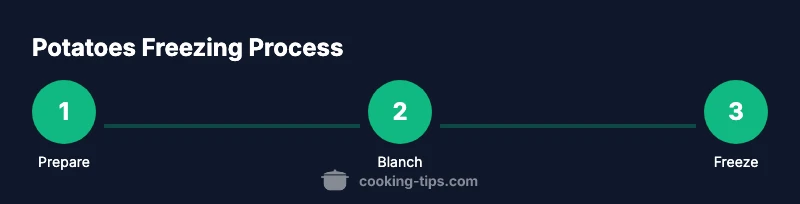
Wash the potatoes thoroughly and decide whether to peel them. Cut into uniform pieces to ensure even cooking during blanching. Blanch in boiling water for a short period until just tender, then transfer immediately to an ice bath to halt cooking. Drain and pat completely dry to minimize ice crystals. Flash-freeze on a parchment-lined tray before transferring to airtight bags or containers, leaving headspace for expansion. Label with date and contents. Cooking Tips emphasizes quick cooling and dry packaging to maintain quality.
Freezing Methods: Whole Potatoes, Chunks, or Mashed
If you want to keep options open, freeze potatoes in the form you’ll use later. Whole small potatoes can be blanched and frozen for later roasting, while chunks are great for quick sautées or mashes. Mashed potatoes freeze well if they are whipped with a little fat and kept in airtight portions. For best results, avoid freezing raw potatoes; blanching reduces texture changes. Pack in portions that match your typical meal sizes.
Thawing and Reheating: How to Regain Texture Without Mush
The thawing method affects texture. If you have time, thaw in the refrigerator overnight and reheat gently to preserve moisture and prevent drying. For speed, reheat from frozen in a preheated oven or skillet, adding a small amount of fat to help restore creaminess. Avoid boiling potatoes after thawing, which can lead to a mealy texture. Cooking Tips recommends testing a small sample before reheating larger portions to gauge texture.
Flavor and Texture Considerations: Salt, Fats, and Herbs
Salt should be added during reheating or after thawing to avoid drawing out moisture during freezing. Light fats like butter or olive oil can improve mouthfeel in mashed or roasted styles. Fresh herbs and pepper can be added during reheating to refresh flavor. If you’re freezing mashed potatoes, consider adding a touch of cream or milk before freezing to improve creaminess upon reheating. These tweaks help keep frozen potatoes enjoyable in everyday meals.
Common Mistakes and How to Avoid Them
Common issues include incomplete blanching, inadequate drying, overcrowding packaging, and using damaged or old potatoes. Always ensure potatoes are cooled rapidly, dried thoroughly, and portioned to minimize air exposure. Use airtight, freezer-safe containers and label clearly. Avoid freezing potatoes with sauces that contain dairy or cream that can separate when frozen. These precautions reduce freezer burn and texture changes.
Quick-Reference Guide: Times, Temps, and Storage Tips
Blanching: a short blanch until just tender; Cooling: ice bath immediately; Drying: thoroughly before packaging; Freezing: lay flat in trays for even freezing; Storage: use within months for best texture; Reheating: oven or skillet for best texture, microwave for speed; Label: date and contents. This quick guide summarizes the core steps for reliable results.
AUTHORITY SOURCES
- USDA: https://www.usda.gov
- University of Illinois Extension: https://extension.illinois.edu
- University of Oregon State Extension: https://extension.oregonstate.edu
Tools & Materials
- Potatoes (russet or Yukon Gold recommended)(Choose firm, unblemished potatoes; avoid green or sprouting specimens.)
- Sharp knife(For clean, even cuts.)
- Cutting board(Stable surface for safe cutting.)
- Large pot for blanching(Deep enough to submerge potatoes fully.)
- Ice bath or large bowl with ice water(Stops cooking instantly after blanching.)
- Colander or slotted spoon(Drain potatoes easily after blanching.)
- Baking sheet for flash-freezing(Pre-freeze pieces to prevent clumping.)
- Airtight freezer bags or containers(Avoid air exposure; label with date.)
- Marker for labeling(Date and contents for rotation.)
- Optional: fat (butter/oil) for mashed potatoes(Adds creaminess when reheating mashed potatoes.)
Steps
Estimated time: Total time: 45-60 minutes
- 1
Prepare ingredients and tools
Wash potatoes and decide on peeling. Gather all tools and organize your workspace so you can move smoothly through blanching and cooling steps.
Tip: Having everything ready prevents delays and reduces moisture exposure. - 2
Cut potatoes into uniform pieces
Slice potatoes into evenly sized chunks or sticks to ensure even blanching. Uniform pieces cook consistently and reheat evenly.
Tip: uniform pieces prevent overcooking on the outside while inside stays hard. - 3
Blanch the potatoes
Submerge pieces in boiling water for a short period until they are just tender. Transfer immediately to an ice bath to stop cooking.
Tip: Blanching halts enzymatic changes that cause texture loss during freezing. - 4
Dry and portion
Drain thoroughly and pat dry. Arrange on a tray in a single layer to freeze quickly before bagging into portions.
Tip: Dry surfaces prevent freezer burn and ice crystals. - 5
Flash-freeze and pack
Place the tray in the freezer until solid, then transfer portions to airtight bags or containers with minimal air.
Tip: Freezing in layers helps maintain individual portions. - 6
Label and store
Label each container with content and date. Return to the freezer and store in a consistent location for easy access.
Tip: Rotating stock ensures you use older portions first.
Quick Answers
Can you freeze raw potatoes?
Raw potatoes don’t freeze well; they tend to discolor and become grainy. Blanching before freezing helps preserve color and texture. For best results, always blanch rather than freeze raw.
Raw potatoes don’t freeze well; blanching is usually needed before freezing.
Should potatoes be peeled before freezing?
Peeling is optional. Peeling can make texture smoother for mashed potatoes, while leaving the skin on is fine for roasting. If you plan to mash after freezing, peeling may yield a creamier result.
Peel or not based on your planned dish; peeling is optional.
How long can frozen potatoes last?
Frozen potatoes are best used within a few months for optimal texture, though they remain safe longer if kept at a consistent freezing temperature. Label with date to track freshness.
Use within a few months for best texture; label and rotate stock.
Can you thaw potatoes in the fridge?
Yes, thawing in the fridge overnight is safest and preserves texture. If you’re short on time, you can reheat frozen potatoes directly in the oven or skillet.
Thaw in the fridge overnight for best texture, or reheat directly if pressed for time.
What’s the best way to reheat frozen potatoes?
Reheat in an oven, toaster oven, or skillet to regain texture and avoid sogginess. A light coat of fat can improve mouthfeel for mashed or roasted potatoes.
Reheat in oven or skillet for best texture; add a little fat if needed.
Can I freeze mashed potatoes with dairy?
Dairy can separate when frozen. If you plan to freeze mashed potatoes, mix in a little extra fat and reheat slowly to minimize separation.
Dairy can separate when frozen; reheat gently and you may re-emulsify with a splash of milk or cream.
Top Takeaways
- Blanch potatoes before freezing for best texture
- Freeze in portions to simplify reheating
- Drying and air-free packaging prevent ice burn
- Label with date to manage shelf life
- Choose starchier varieties for better post-freeze texture