Can You Cook and Freeze Mushrooms? A Practical Guide
Learn how to safely cook and freeze mushrooms to preserve flavor and texture. Step-by-step methods, tips, and storage guidance for mushrooms in soups, sauces, and sautés.


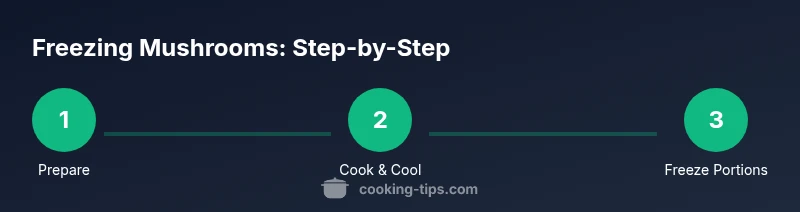
Yes — you can cook and freeze mushrooms, and doing so preserves flavor and texture better than freezing raw. Cook mushrooms first to soften and release moisture, then cool quickly and freeze in small portions. For best results, flash-freeze on a baking sheet, then transfer to an airtight container or freezer bag. Label with date and use within a few months.
Why mushrooms respond well to freezing and when to freeze
Mushrooms are a versatile pantry staple, but their texture can be sensitive to cold storage. The good news is that freezing mushrooms is practical, especially after they’re cooked. Cooking techniques that tame their moisture and bring out flavor—such as sautéing or light braising—prepare them for long-term storage without the soggy, mushy texture that raw mushrooms can acquire when frozen. According to Cooking Tips, mushrooms respond best when they are briefly cooked before freezing because heat helps break down cellular walls and reduces ice crystal formation that can damage texture. By choosing the right timing, you can keep mushrooms tasting close to fresh once thawed. For many home cooks, cooking first also makes it easier to portion mushrooms for later use in soups, stews, and stir-fries.
How to prepare mushrooms for freezing
Begin by cleaning mushrooms with a damp cloth or a quick rinse, then pat dry thoroughly. Water on the surface can turn to ice crystals during freezing, affecting texture. Trim the stems if they are tough. Decide how you want to store them: sliced, diced, or in whole caps. Cooking method options include sautéing in a small amount of oil until they release moisture and start to brown, or a light braise with a splash of broth. The goal is to reduce moisture and brighten flavor before freezing. Let the mushrooms cool completely before proceeding to freezing. If you’re planning to cook them later in a dish, you can skip bagging and freeze them flat on a parchment-lined tray for flash-freezing, then transfer to a freezer bag. This creates individual portions that thaw quickly.
Tools & Materials
- Mushrooms (any type)(Keep them fresh and dry; trim stems if needed)
- Knife and cutting board(Sharp chef’s knife for clean slices)
- Damp cloth or paper towels(For gentle cleaning, not soaking)
- Parchment paper(Prevents sticking during flash-freezing)
- Baking sheet(Flat, wide sheet for individual freezing)
- Airtight freezer bags or containers(Choose portion sizes you’ll use in one or two meals)
- Permanent marker(Label with date and contents)
Steps
Estimated time: 60-90 minutes
- 1
Prepare mushrooms
Wipe cleaner with a damp cloth; trim any tough stems and slice to uniform thickness to ensure even cooking. This helps moisture release consistently and prevents uneven freezing later.
Tip: Work in batches so you don’t crowd the pan during cooking. - 2
Choose freezing method
Decide whether to flash-freeze individually or freeze in portions. Sliced or diced pieces freeze faster and thaw more evenly than whole caps, which can be dense.
Tip: Slicing reduces thaw time and helps you use just what you need. - 3
Cook briefly to reduce moisture
Sauté the mushrooms in a small amount of oil or butter until they just start to brown and moisture has evaporated. Cooling will lock in flavor and prevent soggy texture when thawed.
Tip: Avoid overcooking at this stage to prevent turning mushrooms rubbery. - 4
Cool completely
Spread a single layer on a tray to cool to room temperature before freezing. This prevents condensation and ice crystals from forming inside storage bags.
Tip: Cooling on a rack speeds up the process. - 5
Flash-freeze and pack
Place the cooled mushrooms on a parchment-lined tray and freeze until solid, then transfer to freezer bags or containers. Remove as much air as possible to reduce freezer burn.
Tip: Label bags with date and contents for easy rotation. - 6
Store and use
Return to the freezer and use within a reasonable window. Thaw in the fridge or add frozen directly to hot dishes, adjusting cooking times as needed.
Tip: Use within a sensible timeframe to maintain best flavor and texture.
Quick Answers
Can raw mushrooms be frozen, or is cooking first required?
While some people freeze raw mushrooms, cooking first generally yields better texture and flavor after thawing. Raw mushrooms can become rubbery due to moisture changes during freezing.
Cooking first usually gives you better texture after thawing.
How long can frozen cooked mushrooms be stored?
Frozen cooked mushrooms can be stored for an extended period, but quality is best used within several months. Always check for off smells and signs of freezer burn before using.
Use within a few months for best quality.
Is it better to freeze mushrooms sliced or whole?
Sliced or diced mushrooms freeze more evenly and thaw faster. Whole caps can be frozen, but they thaw unevenly and may take longer to cook.
Sliced pieces are usually easier to use later.
Can I thaw mushrooms at room temperature?
Thawing at room temperature can promote bacterial growth. Prefer fridge thawing or cooking directly from frozen.
Avoid room-temperature thawing for safety.
Should I wash mushrooms before freezing?
Gently wipe with a damp cloth; avoid soaking. Excess moisture can lead to ice crystals and texture changes.
Wipe clean rather than soaking.
Can I refreeze mushrooms after thawing?
Refreezing thawed mushrooms is not recommended as it degrades texture and flavor.
Don’t refreeze; use thawed mushrooms promptly.
Watch Video
Top Takeaways
- Cook before freezing to preserve texture
- Freeze in small portions for easy use
- Label with date to track freshness
- Flash-freeze to keep individual pieces separate
- Thaw wisely or cook directly from frozen