Mastering Ways to Cook Potatoes: A Practical Home Cook's Guide
Explore versatile methods to cook potatoes—boiling, roasting, mashing, and frying. This educational guide provides step-by-step techniques, flavor ideas, safety tips, and practical substitutions for everyday meals.


By the end, you’ll know how to cook potatoes using boiling, roasting, mashing, and frying to achieve crispy edges, creamy centers, or fluffy mash. This guide covers essential prep, method-specific timing, and practical flavoring ideas for everyday meals. With a few basic tools and common pantry ingredients, you can transform humble potatoes into reliable weeknight staples.
Why Potatoes Are a Kitchen Workhorse
Potatoes are an outstanding staple because they are affordable, forgiving, and incredibly versatile. According to Cooking Tips, potatoes adapt to many cooking methods and hold up well to a range of flavor profiles, making them ideal for busy home cooks. Different varieties bring distinct textures: russets yield fluffy interiors when cooked, while waxy types stay firmer and hold their shape for roasting or salads. Understanding these traits helps you choose the right technique for any dish. This article walks you through core preparation, method-specific timing, and flavoring ideas, so you can confidently turn a simple potato into a reliable weeknight hero. Practical tips drawn from Cooking Tips Analysis, 2026, help you avoid common pitfalls like uneven chopping, overcooking, or under-seasoning. With the right tools and a few pantry basics, you can build a repertoire that spans sides, mains, and fast weeknight meals.
Understanding Potato Varieties and How They Behave
Potatoes fall roughly into two broad categories that influence cooking results: starchy and waxy. Starchy varieties, such as Russet, have high starch content and low moisture, which makes them excellent for light, fluffy mashed potatoes and crisp roasting when exposed to high heat. Waxy potatoes, like Red or Yukon Gold, hold their shape better and are ideal for roasting with a bite or forming potato salads. Fingerlings and other specialty potatoes offer different textures that suit roasting or sautéing. When selecting potatoes, consider how you plan to finish the dish. If you want a creamy mash, choose a starchy type; for salads, a waxy or balanced variety is often best. Fresh potatoes should be firm without sprouts; store in a cool, dark place to preserve flavor and texture. This understanding helps reduce wasted ingredients and ensures consistent results across recipes.
Basic Techniques: Boiling, Roasting, Mashing, Frying
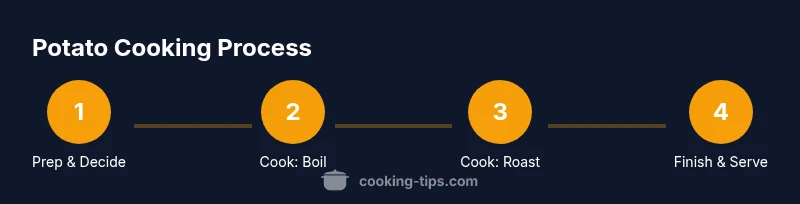
The four main techniques cover most potato needs. Boiling softens potatoes quickly and evenly, making it easy to mash or incorporate into soups. Roasting develops a crispy exterior with a creamy center when potatoes are cut into uniform pieces and left undisturbed on a hot sheet. Mashing creates a smooth, silky texture when potatoes are fully tender and well-seasoned. Frying adds a contrasting crisp edge, useful for home fries or hash browns. Each method benefits from uniform sizing, adequate moisture control, and careful timing. A practical approach is to prepare potatoes in one of the methods you’ll use most during the week, then adapt with simple flavor boosters like butter, herbs, and garlic.
Flavoring and Seasoning Potatoes
Seasoning improves every potato dish. Salt generously during cooking to draw out starch and enhance flavor. Fats—oil for roasting or butter for mashed potatoes—help with texture and mouthfeel. Fresh herbs like rosemary, thyme, and parsley, as well as spices such as paprika or garlic powder, add depth without overpowering the potato’s natural flavor. For crispy roasted potatoes, keep pieces dry and spread them in a single layer with space between pieces to promote browning. Always taste before serving and adjust salt and acidity with a touch of lemon juice or vinegar if needed.
Troubleshooting Common Issues
Overcrowded pans can steam potatoes instead of browning, leading to soggy results. Ensure adequate space when roasting and flip pieces halfway for even color. Undercooked potatoes show a hard center; if this happens, return them to heat and cook a bit longer. For mashed potatoes, excess starch can make them gluey—use warm milk/butter and whip gently rather than overworking. When boiling, start with cold water so the potatoes heat evenly and don’t break apart prematurely. If you notice a gray after chilling, it’s just surface oxidation—brighten with a quick reheat and a fresh pat of butter.
Everyday Potatoes Recipes: Quick Meal Ideas
- Crispy Roasted Potatoes: Cut into even chunks, toss with oil, salt, and pepper, roast at high heat until edges are golden. Finish with fresh herbs.
- Creamy Mashed Potatoes: Boil until tender, drain well, mash with butter and warm milk; season with salt and white pepper.
- Classic Boiled Potatoes: Cook whole or cut into chunks in salted water until fork-tender; drizzle with melted butter and chives for a simple side.
- Skillet Potatoes with Onions: Sauté diced potatoes with sliced onions in a seasoned pan; finish with paprika and parsley.
- Potato Pancakes: Grate potatoes, mix with egg and a little flour, pan-fry until crisp.
Storage, Safety, and Quality
Raw potatoes should be stored in a cool, dark, well-ventilated place away from onions to minimize sprouting. Cooked potatoes keep best in the refrigerator for up to 3-4 days in an airtight container. Reheat safely to at least 165°F (74°C) to ensure any surface bacteria are killed. Avoid potatoes that are swollen or sprouted, and discard any with a strong green coloration, as this indicates potential solanine content. Practicing good kitchen safety—hot pans, steam, and oil—helps prevent burns and accidents.
Skills to Elevate Your Potato Cooking
Developing a few core skills will elevate all potato dishes. Learn how to cut uniform pieces for consistent cooking, monitor heat for browning without burning, and season at key moments to balance flavors. Keeping a small rotation of spices and herbs can transform simple potatoes into different dishes across the week. Practice makes perfect; the more you cook potatoes, the more confident you’ll become in selecting the method and finish that best suits the meal you’re preparing.
Tools & Materials
- Potato peeler(Peel for some recipes; scrub or rinse if leaving skins on.)
- Sharp chef's knife(For washing, trimming, and uniform cuts.)
- Cutting board(Stable surface for safe chopping.)
- Large pot with lid(For boiling and parboiling; choose 4-6 quart size depending on portions.)
- Baking sheet (rimmed)(For roasting; line with parchment for easier cleanup.)
- Colander(Drain boiled potatoes efficiently.)
- Potato masher or ricer(Use for fluffy mashed potatoes; optional if you prefer chunky texture.)
- Frying pan or skillet(Required for pan-frying or sautéing potatoes.)
- Mixing bowls(For tossing with oil and seasonings.)
- Measuring spoons/cups(Helpful for precise seasoning.)
- Oven mitts or heat-resistant gloves(For handling hot pans and trays.)
- Thermometer (optional)(Useful for precise doneness checks.)
Steps
Estimated time: Total time: 60-90 minutes
- 1
Choose your cooking method
Decide whether you want fluffy mash, crispy roasted potatoes, or tender boiled potatoes. Your choice should guide chopping size, seasoning, and timing.
Tip: Match potato size to heat exposure for even cooking. - 2
Prep potatoes for even cooking
Rinse and scrub the potatoes; trim any eyes. Cut into uniform pieces so they cook evenly across methods. Keep whole potatoes for boiling if you prefer less prep.
Tip: Dry surfaces after washing to promote browning in roasted potatoes. - 3
Boil potatoes until tender
Place potatoes in salted water and bring to a gentle boil. Simmer until a fork slides through with little resistance—about 10–15 minutes for diced pieces, longer for larger chunks.
Tip: Start with cold water for even cooking and to avoid cracking skins. - 4
Roast potatoes until edges are crisp
Toss cut potatoes with oil, salt, and spices; spread in a single layer on a hot baking sheet and roast until deeply browned, 25–35 minutes, turning once.
Tip: Avoid overcrowding the pan to ensure proper browning. - 5
Mash potatoes until smooth
Drain boiled potatoes well, then mash with butter and warmed milk or cream. Season to taste; whip briefly for a lighter texture.
Tip: Use warm dairy to avoid cooling and lumping. - 6
Pan-fry for golden, crispy edges
Heat oil in a skillet, add diced or sliced potatoes, and cook until crisp and golden, flipping to brown all sides.
Tip: Maintain medium-high heat and avoid overcrowding the pan. - 7
Finish and serve with freshness
Taste and adjust salt, finish with a squeeze of lemon or a fresh herb, and serve immediately for best texture and flavor.
Tip: Rest potatoes briefly after cooking to redistribute moisture.
Quick Answers
What is the best way to cook potatoes for mashed potatoes?
For fluffy mashed potatoes, use a starchy variety and boil until tender. Drain well, then mash with warm butter and milk. Finish with salt and white pepper for a smooth texture.
Mash potatoes by choosing a starchy variety, boiling until tender, then mashing with warm butter and milk. Season to taste.
Can I cook potatoes without peeling?
Yes. Leaving skins on works well for roasting and many roasted or boiled potato dishes adds texture and nutrients. Scrub thoroughly and cut into even pieces for uniform cooking.
You can cook potatoes with the skins on. Just scrub well and cut evenly so they cook through.
How do you prevent potatoes from sticking to the pan when roasting?
Use enough oil, spread potatoes in a single layer, and avoid overcrowding the pan. Flip pieces halfway to promote even browning.
Make sure the pan isn’t crowded and flip halfway to get even crispness.
How long do potatoes last in the fridge once cooked?
Cooked potatoes store well in the refrigerator for about 3-4 days in an airtight container. Reheat thoroughly before serving.
Cooked potatoes keep about 3 to 4 days in the fridge. Reheat before eating.
Are potatoes healthy?
Potatoes provide potassium and fiber, and their health impact depends on preparation. Baking or roasting with modest oil and avoiding heavy toppings keeps them part of a balanced meal.
Potatoes can be part of a healthy meal when prepared with modest oil and simple toppings.
Why are my roasted potatoes soggy?
Sogginess usually comes from overcrowding the pan or not preheating the oven enough. Give potatoes space on the pan and roast at high heat for best browning.
Overcrowding or not hot enough is usually why your potatoes are soggy. Give them space and bake hotter.
Watch Video
Top Takeaways
- Choose the right potato variety for the desired texture.
- Prep uniformly for even cooking and browning.
- Season thoughtfully at multiple steps for depth of flavor.
- Avoid overcrowding pans to prevent soggy results.
- Taste and adjust seasoning just before serving.