How to Cook a Turkey Breast: Timing, Temperature, and Tips
Learn how long to cook a turkey breast for juicy, safe results. This comprehensive guide covers weights, temperatures, resting, and common pitfalls to help you roast the perfect breast every time.


Learn how to cook a turkey breast to juicy perfection. This guide covers choosing weight, seasoning, oven temperature, and how to tell when it's done using a thermometer. Expect a bone-in or boneless breast to roast until internal temp reaches 160-165°F, then rest to 165°F for safe, tender slices. With proper rest, you’ll enjoy moist, sliceable turkey.
The Goal and Why Timing Matters
According to Cooking Tips, understanding how weight, bone presence, and oven behavior interact with heat helps you predict how long a turkey breast will take to cook. The objective is simple: reach a safe internal temperature while preserving moisture and flavor. Unlike a whole bird, a turkey breast cooks more quickly and benefits from gentler heat and mindful resting. In this section you’ll learn how to translate weight into time, what temperature to target, and how resting completes the cooking process. You’ll also discover why a thermometer is the most reliable guide and how to avoid common dryness traps by managing heat and moisture from start to finish.
Preparing for a Successful Roast
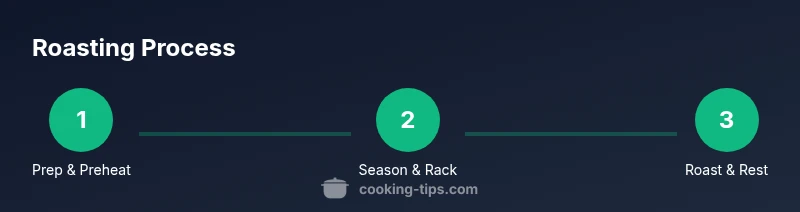
Preparation sets the stage for even cooking and juicy meat. Start by thawing fully if frozen, then pat the surface dry to promote browning. Decide between boneless and bone-in, knowing bone-in can contribute to more even heat distribution but may require slightly longer roasting. Gather your seasonings, brush on a light fat for flavor, and use a rack so air can circulate around the meat. By organizing your tools and ingredients first, you reduce the risk of overcooking or under-seasoning when the clock starts. Cooking Tips emphasizes planning, because a calm start yields a calmer cook throughout the process.
Temperature and Doneness: The Core Rule
The central rule is temperature, not a stopwatch. For most turkey breasts, aim for an internal temperature of 160-165°F (71-74°C) in the thickest part, then allow the meat to rest and reach a final 165°F (74°C). The resting period lets carryover cooking finish the job without losing juices. Using an oven thermometer and a meat thermometer together helps ensure accuracy. Remember that resistance to the probe should feel like a gentle give, not a hard, high-fill resistance which indicates overcooking. Cooking Tips analysis shows that thermometer readings are the most reliable indicator of doneness and moisture retention.
Weight and Bone: How They Change Timelines
Weight is the primary driver of roasting time. A smaller breast (2–3 pounds) will require less total cooking time than a larger one (4–6 pounds). Bone-in breasts typically cook a bit more slowly than boneless, because bones heat differently and retain heat. If you’re unsure of the exact weight, estimate and monitor the thermometer closely rather than relying on the clock alone. For guests or holiday meals, you can plan conservatively by calculating the minimum time needed and trimming the rest window to keep the meat from drying out.
Roasting Methods: Pan, Rack, and Moisture Management
Roasting on a rack in a shallow pan allows hot air to circulate around the breast, producing a more even crust and juicy interior. Lightly oil or butter the surface to improve browning, then season generously with salt, pepper, and any aromatics you like (garlic, thyme, or lemon zest are classic choices). If you prefer, you can start at a higher heat for 15 minutes to jump-start browning and then lower the oven to finish at a steady pace. Basting is optional; frequent opening of the oven can lengthen the total time and increase drying risk, so use it sparingly if you choose to baste.
Resting, Carving, and Serving: The Final Touch
Resting is essential for juicy slices. After removing the turkey breast at 160-165°F, tent loosely with foil and rest for 10-15 minutes. During this time, the internal temperature climbs to the final 165°F, and juices reabsorb into the meat. Carving thickness should be even, cutting against the grain for tenderness. Serve with light pan drippings or a simple sauce to complement the natural flavor without masking it. A properly rested breast slices cleanly and remains moist, making it easier to portion for guests.
Troubleshooting: Dry Meat, Under-seasoning, and Uneven Cooking
If the breast seems dry, check whether you cooked it too long or at too high a temperature for the thickness. For under-seasoned meat, a quick finishing salt can help, but avoid over-salting before cooking as the meat will absorb salt during the process. If browning occurs too quickly, tent with foil to slow the surface while the interior catches up. If there’s uneven doneness, consider rotating the pan or starting with boneless cuts for more even exposure to heat. Remember: thermometer readings trump clock time for consistent results.
Quick Timelines by Weight: A Practical Reference
For most home roasts, a boneless turkey breast in a standard oven at a moderate temperature completes in a predictable window. Use the following as a practical guide, then always verify with a thermometer. This reference assumes thawed, ready-to-roast breasts, patted dry, and lightly seasoned surfaces. We recommend starting with a target of 160-165°F in the thickest part, then resting to 165°F. If you’re using bone-in meat, you may need a few more minutes, but keep an eye on the thermometer to prevent overcooking.
Final Notes: Planning and Confidence in the Kitchen
Timing a turkey breast well comes down to preparation, heat control, and patience. The goal is a moist, flavorful roast that slices easily and holds its shape on the plate. Use the thermometer as your compass, rest to finish, and carve with care to maintain juiciness. With a routine like this, you’ll be able to adapt to different breast sizes, ovens, and schedules while producing reliable results every time.
Tools & Materials
- Meat thermometer (instant-read or probe)(Insert into the thickest part, avoiding bone)
- Roasting pan with rack(Elevates meat for even heat circulation)
- Aluminum foil(Loosely tent during resting)
- Patting towel or paper towels(Dry surface for browning)
- Sharp carving knife(Slice against the grain)
- Kitchen timer or smartphone timer(Track roast and rest periods)
- Basting brush (optional)(For light glaze or butter if desired)
Steps
Estimated time: Total time: about 1 hour 30 minutes to 2 hours, depending on weight and oven performance.
- 1
Preheat oven and prepare pan
Preheat your oven to 350°F (175°C). Place a rack in a roasting pan to promote even heat and browning. Have your thermometer ready and ensure the breast is patted dry for crispier surface. The goal is a calm start so you avoid temperature shocks that can toughen meat.
Tip: A steady preheat helps the meat cook evenly; avoid placing cold meat into a hot oven. - 2
Pat the breast dry and season generously
Pat the turkey breast dry with paper towels to remove moisture that would steam the surface. Rub with a light layer of oil or melted butter to promote browning, then season with salt, pepper, and aromatics of choice. If using a brine, do so well before this step to avoid over-salting.
Tip: Salt enhances flavor and moisture retention; don’t skimp on it for the surface. - 3
Place on rack and insert thermometer
Place the breast skin-side up on the rack in the pan. Insert the thermometer into the thickest part of the breast, avoiding bone if bone-in. The thermometer is your primary guide for doneness, not time alone. This step sets you up for precise cooking.
Tip: Probe placement matters: insert from the side to reach the center. - 4
Roast at 350°F until target temp
Roast with the breast uncovered, checking internal temperature after 45 minutes for smaller breasts or as it approaches the midpoint. Expect 160-165°F in the thickest part as the target. If you notice rapid browning, loosely tent with foil to prevent over-browning while the interior finishes.
Tip: Avoid opening the oven too often to maintain consistent heat. - 5
Rest before carving
Remove from oven at 160-165°F, then tent with foil and rest for 10-15 minutes. Resting lets juices redistribute and the internal temperature finish to 165°F. This makes slices easier to carve and keeps the meat juicy.
Tip: Even 5 extra minutes of rest can improve juiciness. - 6
Carve and serve
Carve across the grain into even slices. Use a sharp knife to produce clean cuts and plate with minimal slipping. Serve with pan juices or a light sauce that complements the natural turkey flavor.
Tip: Carve with smooth strokes to preserve moisture and presentation.
Quick Answers
What is the recommended internal temperature for turkey breast?
Aim for 160-165°F in the thickest part; it will rise to 165°F during resting. Use a reliable thermometer for verification.
Aim for 160 to 165 degrees in the thickest part, then rest so it finishes at about 165.
Should I brine turkey breast before roasting?
Brining can help moisture retention, especially for lean breasts. If you brine, adjust salt in the rub to avoid over-seasoning.
Brining can help keep the breast moist; adjust salt accordingly.
Bone-in vs boneless: which cooks faster?
Boneless breasts generally cook a bit faster and more evenly. Bone-in cuts retain moisture differently and may need slightly longer.
Boneless cooks a bit faster; bone-in can stay juicier but may take longer.
Can I cook turkey breast from frozen?
Roasting from frozen is not ideal because it leads to uneven cooking. Thaw completely for best results, or plan for extended time if starting frozen.
Don’t roast from frozen if you can help it; thaw first for even cooking.
Is it safe to cook at a lower temperature to save time?
Cooking at very low temperatures can risk bacteria growth and uneven doneness. Follow a standard roasting temp and rely on a thermometer for safety.
Low temperatures aren’t recommended; use standard roasting temps and check doneness with a thermometer.
How long should I rest the turkey breast?
Rest for 10-15 minutes after removing from the oven. This finishes carryover cooking and makes carving easier.
Rest 10-15 minutes after roasting for juicier slices.
Watch Video
Top Takeaways
- Use a thermometer to guide doneness.
- Rest for 10-15 minutes before carving.
- Bone-in vs boneless affects timing; monitor the thermometer.
- Season well and consider a light glaze for browning.
- Plan for 1.5-2 hours total based on weight.