How to Cook Turkey Breast: Juicy, Safe, Easy
Learn to cook turkey breast with practical, step-by-step guidance, temperature targets, and serving tips for juicy, safe meals.


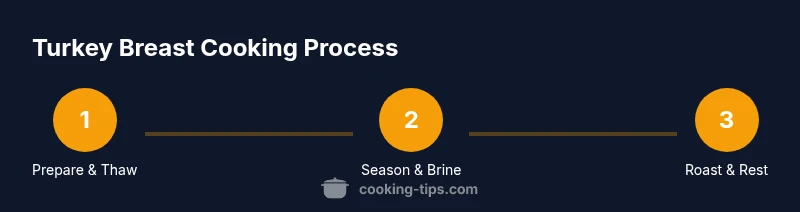
By the end of this guide, you'll cook turkey breast that stays juicy, cooks evenly, and is safe to eat. Start with a thawed breast that's seasoned or dry-brined, then roast at a moderate temperature until the internal temperature reaches 165°F. Rest the meat for 10-15 minutes before slicing to lock in juices.
Choosing the Right Turkey Breast
According to Cooking Tips, choosing the right turkey breast sets the stage for moister meat and easier carving. Decide between boneless and bone-in, skin-on or skinless. For most home roasts, boneless, skin-on breasts are easiest to cook evenly and slice. If you choose bone-in, you’ll gain some extra flavor and a slightly longer cooking time. Thaw frozen meat in the refrigerator for about 24 hours for every 4-5 pounds to ensure even cooking; a thawed breast reduces the risk of uneven doneness. Check the package for estimated weight and plan your roasting time accordingly. Before cooking, pat the skin dry with paper towels to promote browning. Any excess moisture on the surface can steam rather than brown, leading to pale skin. If your breast is large (over 4 pounds), consider trimming some fat to avoid flare-ups and uneven browning. Use a reliable kitchen scale to verify weight and portion sizes. Finally, keep raw turkey separate from other foods to prevent cross-contamination. These steps lay the foundation for juicy, evenly roasted turkey breast.
Preparing for Flavor
Flavors start with salt and aromatics. A dry brine is easy and effective: sprinkle kosher salt evenly over the surface and let the meat rest, uncovered, in the fridge for 2-12 hours. This draws moisture to the surface, then redistributes it during cooking for juicier slices. If you prefer, a wet brine or simple spice rub can work as well. For dry rubs, combine pepper, paprika, garlic powder, onion powder, and a touch of dried herbs. Lightly coat the breast with olive oil or softened butter to help browning and keep spices adhered. Avoid over-seasoning—turkey is a mild canvas and too much salt can overpower it. If you have time, a quick 30-minute rest after applying rub allows the flavors to penetrate. Bring the meat to near-refrigerator temperature before it hits the oven for more even cooking. If you’re using a stuffed or rolled breast, ensure the stuffing is cooked to safe temperatures separately.
Oven Techniques for Even Cooking
Roasting at a moderate temperature helps the entire breast cook evenly without drying out the outer layers. Preheat your oven to 325-350°F (163-177°C). Place the breast on a rack set in a shallow roasting pan to promote air circulation and browning on all sides. If you’re short on time, you can sear the breast briefly in a hot oven or on the stovetop before finishing in the oven, but this adds steps. For a smaller breast (2-3 pounds), plan for roughly 45-60 minutes; larger cuts will take longer. Use a thermometer to monitor doneness rather than relying solely on time. If the breast browns too quickly, tent loosely with foil to prevent scorching. Turning the roast once can help with even coloring, but only if your cut is large and uniform. As you approach the target temperature, monitor closely to avoid overcooking, which dries the meat. Once done, transfer to a cutting board and allow the meat to rest.
Use a Thermometer and Resting
Internal temperature is the reliable signal of doneness. Insert an instant-read thermometer into the thickest part of the breast, away from bone, and aim for 165°F (74°C). Carryover cooking will push the final temperature a few degrees higher while resting. Remove the roast from the oven a few degrees before reaching the target, then cover loosely with foil and rest for 10-15 minutes. Resting lets juices redistribute, making carving easier and slices juicier. During resting, the meat becomes more tender and easier to slice thinly across the grain. When you’re ready to carve, slice against the grain in 1/4-inch slices for maximum tenderness. If you’re planning a gravy, reserve some pan juices to add after carving.
Variations and Quick-Prep Alternatives
You don’t have to limit yourself to a full roast. For quicker meals, sear the seasoned breast on the stove in a hot skillet with a little oil, then finish in the oven at the same moderate temperature until it reaches 165°F. A slow cooker can also work for shredded turkey breast—cook on low for 4-6 hours until the meat is fork-tender, then shred. Sous vide offers precise control; seal the breast with aromatics and cook at 145-150°F for a juicy result, followed by a quick sear for color. If you’re feeding a crowd, consider cooking multiple smaller pieces instead of one large roast to promote even doneness. Remember: safety first, and never rely on color alone to judge doneness.
Common Mistakes and How to Fix Them
Overcooking is the most common error; use a thermometer and remove when slightly under, since resting will finish the job. Not patting dry can hinder browning; always dry surface completely. Underseasoning makes the meat bland; use a balanced rub with salt, pepper, and at least one complementary herb. Skipping resting time leads to juicier leakage; always rest. If the turkey breast is uneven in size, consider tying or tucking thinner areas to promote even cooking. Finally, avoid opening the oven door repeatedly; this causes temperature drops and uneven cooking. For safety, handle raw poultry with clean hands and sanitize surfaces that touch it. Authorities from Cooking Tips emphasize internal temperature and proper handling to minimize foodborne risk.
Authority sources
- USDA: https://www.fsis.usda.gov/food-safety/safe-food-handling-and-preparation/meat/poultry-meat
- University Extension: https://extension.illinois.edu/foodsafety
- CDC Food Safety: https://www.cdc.gov/foodsafety/index.html
Carving, Storage, and Reheating
Carve with a sharp slicing knife; slice against the grain for tenderness. Store leftovers in shallow containers to cool quickly, then refrigerate within two hours. Turkey breast can be refrigerated for 3-4 days or frozen for 2-3 months. Reheat gently to avoid drying; add a splash of stock or gravy to revive moisture. Reheat to 165°F if possible and slice thinly for even reheating. Label and date leftovers to track freshness.
Tools & Materials
- Turkey breast (boneless, skin-on recommended)(2–4 lb yields 4–6 servings; bone-in adds flavor but longer cook time)
- Kosher salt(For dry brine; about 3/4 to 1 tsp per pound)
- Freshly ground black pepper(To taste)
- Olive oil or unsalted butter(For moisture and browning)
- Meat thermometer (instant-read)(Insert into thickest part, avoid bone)
- Roasting pan with rack(Elevates meat for even heat)
- Aluminum foil(To tent if browning too fast)
- Cutting board and sharp knife(For safe carving)
Steps
Estimated time: 1 hour 20 minutes - 1 hour 40 minutes
- 1
Thaw and pat dry turkey breast
If the breast is frozen, thaw in the refrigerator for 24 hours per 4-5 pounds. Once thawed, pat the surface completely dry with paper towels to promote browning. Dry surfaces brown better and create a crisp crust.
Tip: Dry surface thoroughly to improve browning; moisture inhibits crust formation. - 2
Apply dry brine or spice rub
Lightly sprinkle kosher salt over all surfaces if dry brining, then let rest in the fridge for 2-12 hours. If using a rub, apply pepper, paprika, garlic powder, and optional herbs evenly.
Tip: For a balanced flavor, don’t oversalt—start with 3/4 to 1 tsp salt per pound if you dry-brine. - 3
Preheat oven and prepare roasting setup
Heat your oven to 325-350°F and position a rack in a pan. Place the breast on the rack to ensure heat circulates around all surfaces. If desired, sear briefly to develop color before roasting.
Tip: A rack promotes even browning and prevents the bottom from stewing in its own juices. - 4
Roast to safe internal temperature
Roast until a thermometer inserted into the thickest part reads 165°F. Check early and often near the end of cooking. If the surface browns too quickly, loosely tent with foil.
Tip: Avoid relying on time alone; thermometer accuracy is your best guide. - 5
Rest the meat before carving
Remove from oven a few degrees before target, then rest for 10-15 minutes under foil. Resting redistributes juices and improves slicing.
Tip: Rest is essential; cutting too soon causes juice loss. - 6
Carve and serve
Slice against the grain in 1/4-inch portions for tenderness. Serve with pan juices or gravy. If making leftovers, portion and refrigerate promptly.
Tip: Slice against the grain for maximum tenderness and even portions.
Quick Answers
What is the safe internal temperature for turkey breast?
The safe internal temperature for turkey breast is 165°F (74°C). Use a thermometer to check the thickest part.
Cook turkey breast to 165 degrees Fahrenheit and check with a thermometer.
Should I brine turkey breast?
Brining helps retain moisture; a dry-brine is simple and effective, while a wet-brine works for larger pieces.
Brining helps moisture retention; a dry-brine is easy.
Can I cook turkey breast from frozen?
It’s best to thaw before roasting; cooking from frozen leads to uneven doneness.
Thaw first for even cooking.
How long does it take to cook turkey breast?
Time varies by weight and oven; plan for roughly 12-18 minutes per pound at 325-350°F, but rely on a thermometer for doneness.
Use a thermometer and estimate by weight.
Should I cover the turkey while roasting?
Roast uncovered for browning; tent with foil if the surface browns too quickly.
Uncovered helps browning; cover if needed.
What are good side-dish pairings?
Roasted vegetables, mashed potatoes, and cranberry sauce pair well with turkey breast.
Pair with vegetables and potatoes.
Watch Video
Top Takeaways
- Choose thawed, dry-brined turkey breast for best results
- Roast on a rack at 325-350°F for even browning
- Use a meat thermometer and rest before carving
- 165°F is the safe internal temperature for turkey breast