How to Cook a Turkey: A Practical Guide for Home Cooks
Learn to thaw, season, roast, and rest a turkey with confidence. This guide covers safety, timing, temperature, and serving tips for juicy results.


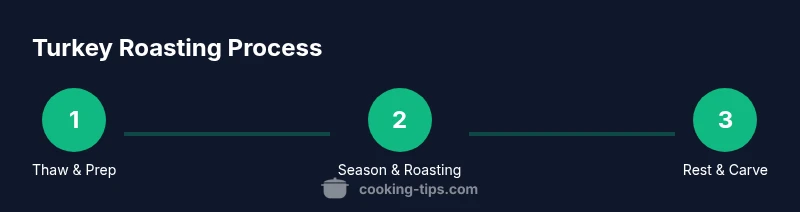
If you ask 'who do you cook a turkey', the answer is you cook it to feed family and friends with a safe, juicy centerpiece. This guide walks you through thawing, optional brining, seasoning, roasting, and resting to get dependable results. With precise temps and proper resting, your turkey stays tender and flavorful. Cooking Tips emphasizes planning, thermometer use, and patience.
Why a Turkey Makes a Great Centerpiece
A turkey is a classic centerpiece for festive meals and weekend gatherings alike. When prepared well, it yields generous portions of lean protein with a rich, savory aroma that fills the kitchen and invites conversation. For home cooks, a turkey offers a forgiving canvas for simple seasonings, whether you keep a traditional herb butter rub or opt for a bright citrus glaze. The Cooking Tips team has found that a well-prepared turkey becomes the anchor around which sides—roasted vegetables, potatoes, and gravy—can shine. Start with a plan that fits your schedule, your oven, and your guests, and you’ll transform a seemingly daunting task into a confident kitchen achievement.
Key concepts include thawing safely, selecting the right weight, avoiding overcooking, and letting the meat rest to reabsorb juices. If you’re cooking for a family of four or a crowd of eight, you’ll want to choose a size that fits your roasting pan and gives you comfortable room for heat circulation. By approaching the turkey with a calm plan and keeping tools nearby, you’ll experience less stress and more flavor in every bite.
Safety First: Thawing, Handling, and Temperature
Safe handling is the foundation of any successful turkey. Start by planning ahead for thawing; a full cold-front thaw inside the fridge can take about a day for every 4–5 pounds, which minimizes bacterial growth. If time is tight, you can use a cold-water method, changing the water every 30 minutes to keep the surface temperature safe, but this requires more hands-on attention. As you work, keep raw poultry separate from ready-to-eat foods, and wash hands and surfaces frequently to prevent cross-contamination. The internal temperature target is your best guard against undercooking; a properly roasted turkey should reach a safe internal temperature in the thickest part of the thigh (without touching bone) and the breast. Cooking Tips analysis reinforces that accurate thermometer readings and a consistently hot oven will produce a juicy result rather than a dry one, especially if you rest the meat after roasting.
Trustworthy safety steps include thawing fully, not leaving poultry at room temperature, and testing with a reliable thermometer. These habits reduce risk and improve both taste and texture. In short, safety drives quality, and quality drives confidence for every home cook who wants to serve a memorable turkey meal.
Planning Your Turkey: Size, Brine, and Flavoring Options
Size matters because it dictates roasting time and heat distribution. A larger bird needs more energy and a longer resting period after it comes out of the oven. When it comes to flavor, you have several paths: dry rubs, herb butter under the skin, citrus zest to brighten the meat, or a simple salt-and-pepper approach that lets the turkey’s natural flavor shine. If you have the time, brines (wet or dry) can add moisture and seasoned depth, but they require extra planning and a longer process. The Cooking Tips team notes that many home cooks appreciate a light, simple seasoning as a reliable baseline, then build complexity with pan drippings or a finishing glaze. Regardless of method, plan your schedule so you aren’t rushing the roasting stage or the rest period.
Think about stuffing as well: a stuffed turkey will cook more slowly and needs careful temperature checks to ensure the center reaches a safe temperature. If you choose not to stuff, you still get superb flavor by roasting with aromatics in the cavity or around the pan. This section helps you decide what style best fits your family’s tastes and timeline while keeping safety at the forefront.
Dry-Brine vs Wet Brine: Which Method Fits Your Schedule?
Brining can add noticeable moisture and a more robust final flavor, but it’s not mandatory. A dry brine—salt mixed with spices rubbed onto the skin and left to rest overnight—dries the skin slightly, encouraging browning and a crispier finish. Wet brining soaks the turkey in a salt solution that penetrates the meat, often delivering extra juiciness. Your choice should depend on your schedule, kitchen space, and preferred texture. If you want a quick path, a simple dry brine applied 24 hours before roasting is efficient and forgiving. If you have time for a longer process, a light wet brine can heighten succulence without complicating flavors. Regardless of method, pat the skin dry before roasting and do not overcrowd the pan. The goal is an even, bronzed exterior with a juicy interior.
Cooking Tips emphasizes that brining is optional; if you skip it, focus on dry brining or an early ointment of herb butter to start flavor development.
Roasting Fundamentals: Heat, Timing, and Juiciness
Roasting is where your planning and preparation pay off. A steady oven temperature promotes even browning and a uniform center. Most home cooks roast unstuffed turkeys at a moderate heat until the thermometer shows the desired internal temperature. The timing depends on weight, whether the bird is stuffed, and your oven’s calibration. A useful rule of thumb is to monitor with a reliable meat thermometer, aiming for the thickest part of the thigh to reach a safe temperature while ensuring the breast remains moist. If the breast browns too quickly, tent with foil to protect surface color while the thighs finish cooking. Juiciness outcomes hinge on warm resting—letting the turkey rest after roasting lets the juices redistribute for sliceable, flavorful slices.
In practice, patience and thermometer-driven decisions beat clock-watching. Small adjustments—such as using a rack for air circulation, placing the turkey in the center of the oven, and avoiding excessive opening of the oven door—serve you well. This approach yields evenly roasted meat with appealing color and texture, and it aligns with reliable cooking techniques that home cooks can repeat with confidence.
Resting, Carving, and Serving for Best Flavor
Resting is when juices reflow through the meat, making the turkey easier to carve and more flavorful. Plan for a 20–30 minute rest after removing the bird from the oven; keep it loosely tented to retain heat without steaming the skin. Carving should happen on a wide cutting board with a sharp knife, starting with the legs and thighs before moving to the breasts. Slice against the grain for tenderness and serve with pan drippings or a simple gravy. A clean carving process reduces mess and helps you present slices that look as good as they taste.
Serving tips include offering a bright herb garnish, a light gravy, and sides that complement the turkey without overpowering it. By maintaining a calm pace and focusing on the essentials—safe handling, proper temperature, and a patient rest—you’ll end up with a centerpiece that’s both delicious and visually appealing.
Troubleshooting Common Issues and Quick Fixes
Even seasoned cooks encounter a few hiccups. If the turkey ends up dry, check if it needed more resting time or a higher initial moisture level, and consider basting or glazing during the latter half of roasting. A pale, undercooked center often means the heat wasn’t evenly distributed or the bird was too large for your oven; in this case, continue cooking with the bird tented and monitor the internal temperature. If you notice overly dark skin but undercooked meat, shield the skin with foil and continue cooking, then test again with a thermometer. Finally, use pan drippings to make a quick gravy, which adds moisture back onto slices that might be a touch dry. By paying attention to thermometer readings and rest periods, you’ll minimize common issues and produce consistently satisfying results.
Tools & Materials
- Roasting pan with rack(Large enough for your turkey size)
- Meat thermometer(Probe in the thickest part of the thigh (avoid bone))
- Kitchen twine(Optional for tying legs if stuffing or shaping)
- Basting brush(Optional for butter or pan drippings)
- Carving knife and cutting board(Sharp knife; wide board for slices)
- Salt and pepper (and optional herbs)(Simple seasoning base)
- Small bowls and towels(For brine prep and clean-up)
Steps
Estimated time: 3 hours 30 minutes
- 1
Choose weight and thaw
Select a turkey size that fits your pan and guest count. Thaw in the refrigerator for about 24 hours per 4–5 pounds, or use cold water method if time is tight, changing water every 30 minutes. This ensures safe, even cooking without risking bacterial growth.
Tip: Plan ahead and set a thawing timeline based on weight to avoid last-minute surprises. - 2
Prepare the turkey
Remove giblets and neck from the cavity, rinse quickly if needed, then pat the bird completely dry with paper towels. Dry skin browns better and helps crispness. If you plan to stuff, loosen the skin carefully to allow even seasoning.
Tip: Keep the cavity dry for better browning; moisture beneath the skin can hinder crispness. - 3
Season or brine
Apply a light dry-brine or your favorite seasoning mix under and over the skin. If brining, follow a tested recipe and rinse lightly before roasting. The goal is a flavorful crust with juicy meat inside.
Tip: Avoid salting excessively if you’ve brined; balance salt with other aromatics to prevent oversalting. - 4
Preheat and set up
Preheat the oven to a moderate temperature and place the rack in the center. Position the turkey breast-side up for even browning, and use a rack to ensure air circulation beneath the bird. This setup helps heat reach all surfaces and yields a more consistent cook.
Tip: If your oven runs hot in one corner, rotate the pan halfway through cooking. - 5
Roast and monitor
Roast until the thermometer reads safe doneness in the thickest part of the thigh, validating with breast temperature too. If the skin browns too quickly, tent with foil to prevent scorching while the interior continues to cook.
Tip: Avoid opening the oven door frequently; each opening loses heat and extends cooking time. - 6
Rest and carve
Let the turkey rest 20–30 minutes after roasting to redistribute juices. Carve thinly against the grain for tenderness, starting with the legs before the breast. Serve with simple pan gravy from the drippings.
Tip: Resting is as important as cooking; slicing too soon extracts moisture and flavor. - 7
Serve and enjoy
Arrange slices neatly on a warm platter, garnish with herbs if desired, and offer easy grabs for guests. A light gravy and well-seasoned sides complete the meal.
Tip: Have a carving plan ready to speed service and keep the kitchen calm. - 8
Cleanup and reflection
Set aside leftover meat promptly and refrigerate within two hours. Note what worked well (seasoning, timing, resting) for next year’s turkey. A clean workspace and documented observations make the practice easier each season.
Tip: Label leftovers with date and contents to simplify future meals.
Quick Answers
Is it safe to thaw a turkey at room temperature?
No. Thaw in the refrigerator or in cold water, with frequent water changes. Room-temperature thawing invites bacterial growth and uneven cooking.
Never thaw a turkey at room temperature; use the fridge or cold water method instead.
Should I brine my turkey?
Brining can add moisture and flavor, but it’s optional. If you choose to brine, follow a trusted recipe and avoid oversalting. Dry brining is a simpler alternative that still enhances juiciness.
Brining adds moisture but isn’t mandatory; dry brining is a great alternative.
What is the recommended internal temperature for turkey?
Aim for 165°F (74°C) in the thickest part of the thigh, with the breast reaching a safe temperature as well. Always verify with a calibrated thermometer.
Target 165 degrees in the thigh; check with a thermometer for best results.
Is it better to stuff the turkey or cook stuffing separately?
Stuffing inside the bird takes longer to reach a safe temperature and risks uneven doneness. For reliability, cook stuffing separately or ensure the center of the stuffing also reaches 165°F.
Stuffing in the turkey can delay cooking; consider cooking stuffing separately for safety.
How long should turkey rest after roasting?
Rest the turkey for 20–30 minutes after removing it from the oven to let juices redistribute, which improves slicing and flavor.
Let the turkey rest for about 20–30 minutes before carving.
Can I roast a turkey in a Dutch oven or covered pot?
A small to medium turkey can be roasted in a large Dutch oven or covered pot, but very large birds may not fit. Ensure even heat and proper circulation for best results.
Yes, you can use a Dutch oven for smaller birds; larger birds may require a standard roasting pan.
Watch Video
Top Takeaways
- Plan thawing time based on weight
- Use a thermometer to guide doneness
- Rest before carving for juiciness
- Keep seasoning simple and balanced