Slow Cook Lamb Leg: A Practical Guide
Master the art of slow-cooking lamb leg with trusted techniques, temperatures, and a step-by-step method for irresistibly tender, flavorful meat.


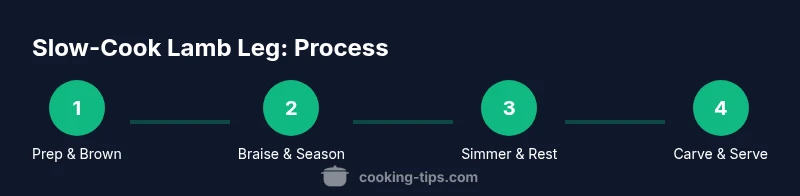
Goal: slow cook lamb leg until fork-tender and flavorful. Use a low oven (300–325°F / 150–165°C) with a braising liquid. Gather aromatics, a roasting pan with rack, a thermometer, and patience. Start with a bone-in leg around 4–6 lb, sear it well, then braise slowly for 4–6 hours until the meat easily shreds.
Why slow cook lamb leg yields superior tenderness
According to Cooking Tips, slow cooking a lamb leg allows collagen in connective tissue to break down gradually, transforming tough muscle into luscious fork-tender meat. The approach is especially effective for larger cuts like a bone-in lamb leg, where cutting away the bone would produce less flavorful results. When you slow braise the meat with a flavorful braising liquid, the flavors permeate deeply, yielding a rich, aromatic dining experience. For home cooks aiming for dependable results, slow cooking lamb leg reduces the risk of overcooking the outer crust while leaving the interior underdone, a common pitfall with faster methods. Over several hours, the meat becomes juicy, tender, and easy to pull apart, which is why so many chefs and home cooks prefer this method for gatherings or Sunday roasts. As you prep, remember that even with a long cooking time, your active involvement is relatively brief; your patience earns you a deeply satisfying payoff with every bite while keeping the slow cook lamb leg technique accessible to home kitchens.
The slow cook lamb leg method hinges on controlling moisture and temperature. Keeping the braising liquid at a gentle simmer, using a snug lid or foil to trap steam, ensures the meat cooks evenly. If your goal is a robust roast with a glossy sauce, your braising liquid should include a combination of stock or wine, aromatics, and a touch of acidity to balance the rich lamb. In the end, this technique delivers predictable tenderness and depth of flavor that’s hard to beat for home cooks who want reliable results without babysitting the oven for hours.
Selecting the right lamb leg and prep
Choosing the right lamb leg is the first step in achieving a perfectly slow-cooked result. Look for a bone-in leg in the 4–6 lb range, which provides enough meat for generous servings and helps the meat stay moist during a long cook. Ask your butcher for a leg with a clean bone and even thickness to ensure uniform cooking; a very thick section can take longer to tenderize, while a very thin section may overcook before the center reaches tenderness. For the flavor base, you’ll want a balance of fat and meat; some fat marbling around the exterior helps maintain moisture through the long cook, but you can trim excess fat if you prefer a leaner finish. Before cooking, pat dry the lamb to promote browning, then season generously with kosher salt and freshly ground black pepper. Aromatics like garlic, onion, carrot, and celery anchor the flavor profile, while fresh rosemary and thyme offer fragrant notes that pair beautifully with lamb. If you’re planning a braising liquid, a mix of good stock or wine plus a splash of tomato paste can add body and depth. Remember, the goal of this step is to set up a balanced foundation for the slow cook lamb leg, ensuring that each bite has a well-rounded flavor.
In this stage, you’ll often hear about the importance of resting meat after cooking. In the slow cook lamb leg approach, resting is essential to let juices redistribute and to keep the meat juicy. The resting period also helps the connective tissue firm slightly, making the final texture more cohesive. If you’re serving guests, you can prepare aromatics and stock in advance to streamline the process. A little planning goes a long way with slow-cook lamb leg, allowing you to focus on other parts of your meal while the oven does the heavy lifting. The Cooking Tips team emphasizes consistency: choose your cut, set up your braising liquid, and maintain a steady cooking environment to deliver reliable results every time when you cook slow lamb leg.
The braising method and flavor building
The braising method for slow cook lamb leg combines searing, deglazing, and low-temperature braising to build a deep, cohesive flavor. Start by patting the leg dry and searing all sides in a hot, heavy-bottomed pot until the crust is deeply caramelized. The Maillard reaction creates a savory foundation that enhances the final flavor of the slow-cooked lamb. After searing, remove the leg and let the pot rest briefly before adding aromatics. Sauté onions, garlic, and carrots until they become translucent and fragrant; this step releases sweet, earthy notes that blend with the meat’s natural flavors. Deglaze the pan with wine or stock to lift the fond. Return the lamb to the pot, add a braising liquid that covers about halfway up the meat, and add herbs like thyme and bay leaves. The aim is to maintain a liquid level that steams the meat gently while allowing the surface to brown slightly again as it braises. As the lamb cooks slowly, the connective tissue dissolves into a silky sauce, enriching every slice. Throughout the process, monitor the liquid level and adjust heat to keep a gentle simmer. The slow-cook lamb leg technique rewards patience with a deeply aromatic, richly textured result that’s perfect for a celebratory dinner.
A well-composed braising liquid is more than a sauce—it’s the moisture backbone that prevents drying. For a balanced profile, consider a 1:1 mix of stock and red wine, a touch of tomato paste for body, and a splash of lemon juice or vinegar to brighten the dish subtly. Aromatics such as garlic, onion, carrot, celery, and a bouquet of fresh herbs are essential. You may choose to add a couple of whole peppercorns or a pinch of coriander seed for a hint of warmth. As the slow-cook lamb leg braises, the kitchen fills with a comforting aroma that signals the impending perfection of the dish. In the end, the slow-cook lamb leg yields a tenderness that’s nearly effortless to pull apart, with a sauce that clings to each piece for a satisfying bite.
Temperature, time, and tenderness targets
For a reliable slow cook lamb leg with dependable tenderness, plan to cook at a low range of 300–325°F (150–165°C). This temperature range allows the collagen to break down gradually without turning the meat to mush. Depending on the leg’s size and bone orientation, total braising time will typically fall in the 4–6 hour window for a 4–6 lb bone-in cut. If your leg is closer to the 4 lb mark, it may lean toward the shorter end; a heavier leg will require the longer end of the range. To verify tenderness, check for a fork-tender texture and the ability to pull meat apart with minimal resistance. If the lamb still feels firm after the initial cooking window, continue braising in 30-minute increments, testing tenderness after each interval. The cooking liquid should be bubbling gently—too vigorous a boil disrupts moisture balance and can lead to uneven texture. Monitoring temperature with a probe or instant-read thermometer helps ensure you stay within the optimal range, keeping the slow-cook lamb leg moist and flavorful. Resting for 15–30 minutes after removing from heat concentrates flavors and improves slicing and serving performance.
Searing, resting, and carving for best results
Searing the lamb leg before braising is a crucial flavor step that creates a deep, caramelized crust. Ensure your pan is hot and dry before contact with the meat; a well-browned surface contributes significantly to the final sauce’s complexity. After braising, allow the lamb leg to rest under tented foil for 15–20 minutes. Resting gives juices a chance to reabsorb into the meat, resulting in a juicier slice when you serve slow-cook lamb leg. When carving, slice against the grain for maximum tenderness. If you’re serving with a sauce, skim excess fat from the braising liquid and reduce it slightly on the stove to concentrate flavors before spooning over the slices. If you prefer shredding the meat for sandwiches or tacos, the slow-cooked lamb leg should pull apart easily with two forks, thanks to the long braising period. Leftovers can be repurposed in various dishes—stir-fries, stews, or a rustic shepherd’s pie—making this approach not only delicious but also versatile for next-day meals. Remember to refrigerate leftovers promptly and reheat gently to preserve moisture and flavor in the slow-cook lamb leg.
Serving ideas and make-ahead tips
Serve slow cook lamb leg with a bright contrast to balance the richness: consider a lemon-herb couscous, mashed potatoes, or a crisp green salad to add color and texture to the plate. A spoonful of the reduced braising liquid makes a luxurious gravy that ties the dish together. For make-ahead options, portion the meat after resting and refrigerate; the flavors often intensify when rewarmed gently. You can also freeze portions for up to three months; thaw slowly in the refrigerator and reheat in a little broth to maintain moisture. If you’re planning a big dinner, prepare the aromatics and braising liquid a day ahead and let the lamb marinate in the seasoning overnight for enhanced flavor. Finally, consider finishing with a light drizzle of olive oil and a sprinkle of fresh herbs to brighten the dish just before serving the slow-cook lamb leg.
Troubleshooting common issues with slow cook lamb leg
If your slow-cook lamb leg tastes underseasoned, adjust the salt and acidic balance in the braising liquid, and consider a brief finish with a high-heat sear to reintroduce complexity. Inconsistent tenderness often results from uneven leg thickness or inadequate browning; ensure even searing and place the meat bone-side down if needed to promote uniform heat distribution. If the sauce separates, gently simmer and whisk in a small amount of cornstarch slurry or butter to emulsify. Dry meat usually indicates too much heat or too little moisture; verify your braising liquid covers the meat about halfway and avoid uncovering the dish for long periods. Finally, if you’re using a slow cooker instead of an oven, adjust the liquid level, as slow cookers can lose moisture through evaporation; monitor and supplement liquid as needed. By addressing these common issues, your slow-cook lamb leg will consistently deliver the fork-tender texture and rich flavor you expect, even on busy weeknights.
Quick reference: timing, temps, and rest
- Target oven heat for slow-cook lamb leg: 300–325°F (150–165°C).
- Braise time for a 4–6 lb bone-in leg: about 4–6 hours.
- Internal texture goal: fork-tender, shreddable meat when finished.
- Rest time after cooking: 15–30 minutes for best juiciness.
- Sauce strategy: reduce braising liquid to intensify flavor and serve as gravy.
- Leftovers: refrigerate within 2 hours and reheat gently for best texture.
Following these guidelines will help you master the slow-cook lamb leg technique with predictable, delicious results every time.
Tools & Materials
- bone-in lamb leg (4–6 lb)(bone-in preferred for flavor and tenderness)
- kosher salt(generous seasoning before cooking)
- black pepper(freshly ground)
- garlic cloves(minced or sliced)
- onion(roughly chopped)
- carrot(roughly chopped)
- celery(roughly chopped)
- rosemary and thyme(fresh if possible)
- olive oil(for browning)
- red wine or stock(braising liquid base)
- tomato paste(optional for body)
- bay leaves(adds aroma)
- heavy-bottomed dutch oven or oven-safe pot(essential for even braising)
- meat thermometer or probe(monitor internal temp)
- tongs and carving knife(for handling and serving)
- aluminum foil(for resting and preserving moisture)
Steps
Estimated time: 4-6 hours
- 1
Preheat and prep
Preheat your oven to 300–325°F (150–165°C). Pat the lamb leg dry, trim excess fat, and season generously with salt and pepper. This step ensures a flavorful, evenly cooked base for the slow cook lamb leg, and helps the outer surface brown during searing.
Tip: Dry surface matters; pat thoroughly for a better browning. - 2
Sear the lamb
Heat a heavy-bottomed pot with a little oil over high heat. Sear the lamb leg on all sides until deeply browned, which creates flavor-rich crust and an inviting aroma when you start the braise. Transfer the meat to a plate.
Tip: Avoid overcrowding the pan; do in batches if needed. - 3
Sauté aromatics
In the same pot, add chopped onion, garlic, carrots, and celery. Cook until they are soft and fragrant, about 5–7 minutes. These aromatics form the flavor backbone of the slow cook lamb leg sauce.
Tip: Scrape up browned bits from the bottom for maximum depth. - 4
Deglaze and build braise
Deglaze with red wine or stock, scraping any fond from the bottom. Return the lamb to the pot and add more aromatics, bay leaves, and herbs. Pour in enough braising liquid to come halfway up the meat.
Tip: Tomato paste boosts body; use 1–2 tablespoons if desired. - 5
Slow braise
Cover and transfer to the oven. Let the slow cook lamb leg braise for 4–6 hours until tender. Check at the halfway point to ensure liquid level remains sufficient and adjust heat if necessary.
Tip: Keep the liquid simmering gently to avoid toughening the meat. - 6
Rest and test
Remove the pot, tent with foil, and rest for 15–30 minutes. Insert a fork; the lamb should shred or slice with ease. If needed, return to the oven for a bit longer in small increments.
Tip: Resting is essential for moisture distribution. - 7
Reduce sauce and serve
Skim fat, reduce the braising liquid on the stove if you want a thicker sauce, then spoon it over sliced slow-cook lamb leg. Garnish with fresh herbs before serving.
Tip: Taste and adjust salt before serving. - 8
Make-ahead and leftovers
Portion the leftovers for easy meals later. Store in airtight containers and reheat gently with a splash of broth to preserve moisture. Leftovers often taste even better the next day, as flavors intensify.
Tip: Cool quickly and refrigerate within two hours.
Quick Answers
What temperature is best for slow cooking lamb leg?
Aim for 300–325°F (150–165°C) to steadily break down connective tissue while preserving moisture.
Aim for about 300 to 325 degrees Fahrenheit to tenderize the lamb without drying it out.
Can I use a slow cooker instead of an oven?
Yes, you can, but expect different texture and moisture dynamics. Use sufficient liquid and cook on low for 8–10 hours, checking occasionally.
You can use a slow cooker, but the texture will differ; use enough liquid and cook on low for 8 to 10 hours.
Should I sear the lamb leg before braising?
Searing adds a flavorful crust and richer sauce; do it, but avoid overcrowding the pan to maintain browning.
Yes, sear for flavor and crust, then braise.
How do I know when the lamb is tender?
When the meat pulls apart easily with a fork and the internal texture is soft and juicy, not stiff.
When it pulls apart with a fork and feels tender throughout.
What can I do with leftovers?
Slice or shred and use in sandwiches, tacos, or shepherd’s pie. Freeze portions for longer storage.
Leftovers are great for sandwiches or future meals; freeze for longer storage.
Bone-in vs. boneless: which is better for slow cooking?
Bone-in tends to yield deeper flavor and keeps meat moist during long braises, though boneless works in a pinch.
Bone-in usually gives more flavor and moisture during slow cooking.
Watch Video
Top Takeaways
- Choose bone-in leg for best flavor.
- Browning and proper braising liquid are essential.
- Cook low and slow to maximize tenderness.
- Rest before slicing to retain moisture.