Leg of Lamb Recipe: The Ultimate Juicy Roast
Learn how to roast a leg of lamb to juicy perfection with a simple herb crust, precise temps, rest times, and smart serving ideas. A practical, reliable guide from Cooking Tips.


With this leg of lamb recipe, you’ll learn how to roast a juicy, evenly cooked leg of lamb using a simple herb crust, precise temperature, and proper resting time for maximum tenderness. We cover bone-in vs boneless options, classic rubs, and a quick sear for color. Follow these steps to create a centerpiece that slices cleanly and stays moist.
Why leg of lamb is a classic centerpiece for gatherings
The leg of lamb roast has long been a centerpiece for holiday meals and weekend gatherings because of its generous portions, rich flavor, and forgiving nature. When chosen and prepared well, it delivers a crowd-pleasing balance of savoriness and tenderness that pairs with a wide range of seasonal sides. According to Cooking Tips, leg of lamb is a dependable choice for home cooks who want to feel confident in a roast that looks impressive and tastes even better than it smells. The key is a thoughtful rub or crust, a dependable roasting plan, and a proper rest. This leg of lamb recipe walks you through selecting the cut, seasoning, roasting, and carving with practical tips you can apply to weeknight dinners or special occasions.
In addition to flavor, bone-in lapses into deeper savory notes because the bone conducts heat and distributes flavor during roasting. Boneless legs cook a bit more quickly and evenly, which can be convenient when you’re pressed for time. Whichever you choose, the goal remains the same: a crusty exterior with a rosy, juicy interior. From the start, keep your workspace organized, your thermometer close, and your timing realistic so you can enjoy a flawless finish without last-minute scrambling.
Cooking Tips emphasizes that the quality of the meat matters most—look for a bright, clean color and good marbling. A well-trimmed leg with even thickness roasts more uniformly, avoiding overcooked edges and underdone centers. This guide focuses on practical steps to maximize flavor, texture, and presentation, while keeping the process approachable for home cooks of all levels.
noteTitle.attachments":null},
Tools & Materials
- Leg of lamb (bone-in or boneless)(4–7 lb (1.8–3.2 kg) is a good range for 4–8 servings; bone-in adds flavor but extends roasting time.)
- Meat thermometer (instant-read or probe)(Aim for 125–130°F for rare, 135–140°F for medium-rare, 145°F for medium; account for 5–10°F carryover.)
- Roasting pan with rack(Provides airflow beneath the meat for even browning.)
- Cast-iron skillet (optional)(For browning the leg before roasting.)
- Aluminum foil(Tent the meat during resting to keep warmth without steaming.)
- Fresh herbs (rosemary, thyme)(Use a combination of fresh herbs for robust aroma.)
- Garlic cloves, olive oil, kosher salt, black pepper(Base rub ingredients to build flavor and crust.)
- Mustard or honey glaze (optional)(Adds a subtle sweetness or tang if desired.)
Steps
Estimated time: Total time: 2 hours 15 minutes
- 1
Preheat the oven to 450°F (232°C)
Turn the oven to a high starting temperature to promote a flavorful crust on the leg as it begins to roast. Position the rack in the center and have your meat thermometer ready for quick checks later in the process.
Tip: High heat at the start helps browning without drying the interior. - 2
Pat dry and trim the leg
Pat the leg dry with paper towels to remove surface moisture, and trim away any thick fat or silverskin that could cause uneven rendering. A dry surface helps browning and crust formation.
Tip: Moisture on the surface delays browning and can steam the meat. - 3
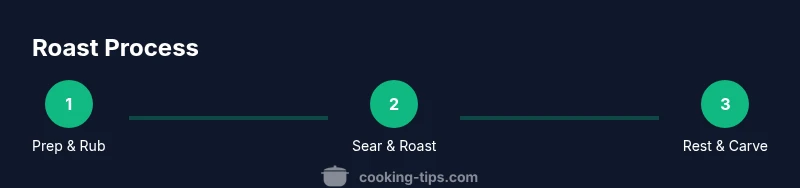
Rub with olive oil, garlic, and herbs
Coat the leg with a light layer of olive oil, press minced garlic into the surface, and rub with chopped rosemary and thyme. Finish with a generous shake of kosher salt and black pepper for a balanced flavor.
Tip: Massage the rub for 30–60 seconds to distribute flavors evenly. - 4
Sear the leg in a hot skillet
Sear the meat on all sides in a hot, heavy skillet with a little oil until deep golden brown. This creates a crust and seals in juices before the roast.
Tip: Don’t rush the searing; even browning on all sides matters for flavor. - 5
Transfer to roasting pan on a rack and insert thermometer
Place the leg on the rack in the roasting pan. Insert the thermometer into the thickest part of the meat, avoiding the bone to read an accurate temperature.
Tip: If your leg is connected to a bone, angle the probe to avoid contact. - 6
Roast at high heat briefly, then reduce the oven
Roast at 450°F for 15–20 minutes to set the crust, then reduce the oven to 350°F and continue roasting until the target internal temperature is reached.
Tip: Keep the thermometer in place and monitor progress rather than relying on time alone. - 7
Check doneness and remove from heat
When the thermometer hits the desired range (see temps below), remove the lamb from the oven to rest. Don’t rely solely on the timer; visual cues and thermometer readings matter.
Tip: If you overshoot, the meat will carryover cook during resting. - 8
Rest the meat before carving
Tent the roast loosely with foil and let rest for 15–20 minutes. Resting redistributes juices and finishes cooking gently.
Tip: Carving too soon releases juices and can dry the meat. - 9
Carve and serve
Slice against the grain into thick, even portions. Serve with pan juices or a light sauce to complement the herb-forward profile.
Tip: Carve with a sharp knife and steady, even strokes for clean portions.
Quick Answers
What is the best size leg of lamb to buy for a family of 6-8?
A leg in the 4–7 lb range serves most households of 6–8 people, depending on appetites and sides. If you’re serving many sides or children, aim toward the larger end; for adult-heavy menus, a smaller leg can work too.
For 6 to 8, plan on about a four to seven pound leg depending on sides and appetites.
Should I marinate overnight?
Marinating overnight isn’t required when you use a good herb rub. A shorter marinade works, but overnight can add deeper aroma if you’re using a flavorful acid-based marinade.
Marinating overnight isn’t necessary; a well-seasoned rub does the job.
Bone-in vs boneless, which is better for flavor?
Bone-in lamb often delivers more flavor and moisture because the bone conducts heat and adds richness. Boneless roasts cook a bit faster and can be easier to carve.
Bone-in adds flavor and moisture, boneless cooks a little faster and is easier to carve.
What internal temperature defines doneness for leg of lamb?
Typical targets: 125–130°F for rare, 135–140°F for medium-rare, and 145°F for medium. Remember carryover cooking will raise the final temp by ~5–10°F.
Look for about 125 to 130 for rare, 135 to 140 for medium-rare, and 145 for medium, then rest.
Can I freeze leftovers?
Yes. Slice leftovers and store in airtight containers or wrap tightly. Freeze for up to 2–3 months; thaw in the fridge before reheating gently.
Yes, you can freeze leftovers by slicing and sealing tightly.
What sides pair best with leg of lamb?
Classic pairings include roasted potatoes, green beans, and a mint yogurt sauce. For a lighter option, a cucumber salad and a red wine jus complement the lamb nicely.
Potatoes, greens, and a minty sauce go perfectly with leg of lamb.
Watch Video
Top Takeaways
- Roast lean, juicy meat with a crusty exterior.
- Use a thermometer to guide doneness, not time alone.
- Rest before carving to preserve juiciness.
- Bone-in adds flavor but requires slightly longer cooking.