How to Cook Lamb Chops: A Practical Guide
Learn how to cook lamb chops perfectly at home. This guide covers selection, prep, searing, finishing, and serving with practical tips from Cooking Tips.


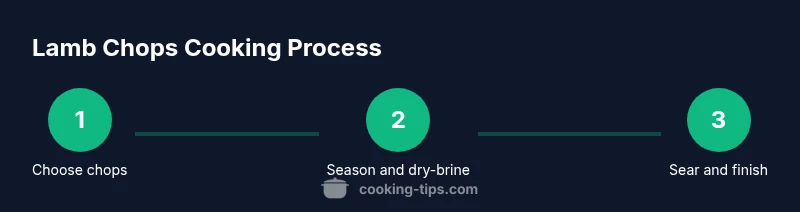
You will learn to cook lamb chops to tender, flavorful perfection at home. We'll cover selecting chops, preparing a quick dry brine, searing to a browned crust, finishing in the oven or on the stove, and resting for juiciness. Whether you’re using bone-in or boneless cuts, consistency comes from temperature, timing, and a crisp exterior. Follow the step-by-step method for reliable results.
Choosing Lamb Chops
When you start learning how to cook lamb chop, the first step is selecting quality cuts. Look for chops that are bright red with a clean surface and a small amount of marbling. A thin rim of white fat around the edge adds flavor as they cook. Bone-in chops generally stay juicier and offer more lamb taste, while boneless cuts cook a bit faster and are easier to portion. Thickness matters: about one inch thick is a comfortable middle ground for a nice crust without drying in the center. If possible, choose fresh rather than previously frozen, and plan to cook soon after purchase. For home cooks, a small batch first helps you nail timing and temperature.
Beyond appearance, consider how you’ll finish the chops. A steak-like sear works well with both bone-in and boneless cuts, but bone-in chops can tolerate slightly longer searing. Once you’ve selected your chops, you’re ready to move into prep and seasoning. Remember: quality starts with the animal, not the pan. Once you’ve chosen correctly, you’re ready to move to prep and seasoning. This approach suits many cooking styles—from pan-seared skillet methods to oven finishes and even quick grill sessions. Across kitchens, the goal is consistent flavor and a crust that crackles when you bite. As you learn, you’ll notice that salt, temperature, and time are the trio that makes or breaks the dish. In this guide from Cooking Tips, we’ll apply those principles to how to cook lamb chop so you achieve restaurant-worthy results at home.
Prep and Seasoning
Prep is as important as heat when learning how to cook lamb chop. Start by patting the surface dry with paper towels; moisture on the surface slows browning. If the meat is cold, let it sit at room temperature for 15-30 minutes to promote even cooking, but don’t leave it out too long for safety.
Salt is your friend here. A light dry-brine—salt sprinkled on the surface and allowed to rest on the chops—helps flavor penetrate and improves crust formation. If you’re short on time, a quick 10-minute rest after salting still yields results. Pepper should be added just before cooking or during searing to avoid drawing out moisture prematurely. For extra flavor, consider a light rub of garlic, fresh thyme, or rosemary, but keep it balanced so you don’t overwhelm the lamb’s own character.
Some cooks like to marinate lamb chops, but a simple approach often delivers excellent results: season, rest, pat dry again, then sear. This foundation works whether you’re cooking how to cook lamb chop on the stovetop, in the oven, or on a grill. The cheaper path is to focus on salt, dryness, and heat management for a reliable sear.
Tools and Kitchen Setup
Tools matter as much as technique. A heavy pan, ideally a 12-inch cast-iron skillet, distributes heat evenly and helps form a crisp exterior. If you don’t own one, a stainless-steel skillet with good heat retention works too. You’ll also need tongs for turning and a thermometer for precise doneness.
Prep a clean workspace and gather your essentials: salt, pepper, a neutral oil with a high smoke point (such as canola or grapeseed), and a small pat of butter if you like finishing with a touch of richness. Have a baking sheet ready if you plan to finish chops in the oven, and a plate for resting the meat after cooking. The goal is to manage heat consistently, avoid crowding the pan, and monitor internal temperature to achieve your preferred doneness.
If you’re new to the technique, practice with a single chop first to calibrate your timing and the pan’s heat. Once confident, scale up to two chops and adjust timing as needed. These setup steps are part of how to cook lamb chop with confidence, whether you’re cooking for a weeknight dinner or a special occasion.
Searing Techniques: Pan, Grill, or Oven Finish
The classic way to cook lamb chop starts with a hot skillet to create an arresting crust. Preheat a heavy pan over medium-high heat until a drop of water dances and evaporates on contact. Add a thin layer of neutral oil; it should shimmer but not smoke vigorously. Place the chops in the pan without crowding and resist the urge to move them for 2-3 minutes, until the underside is deeply browned and releases easily from the surface.
Flip and sear the other side for 2-3 minutes. At this stage, you’ve built a crust that seals in juices. If you’re using bone-in chops, you may want a slightly longer sear on the first side to account for the bone’s heat distribution. For a more evenly cooked center, finish the chops in a hot oven: transfer the pan to a preheated oven around 400°F (205°C) and cook for 3-6 minutes, depending on thickness and desired doneness. Alternatively, you can move the chops to a preheated grill for a companion sear, then rest and serve.
As you practice how to cook lamb chop, you’ll learn to read the meat by color and texture rather than time alone. A pale pink center with a hint of rosy red indicates medium-rare; gray-brown edges signal a well-cooked exterior. If you’re unsure, use a thermometer and aim for your target doneness a few degrees below carryover heat. This approach helps you keep the interior moist while developing a robust crust.
Doneness, Rest, and Serving Ideas
Lamb chops are best when they stay juicy; a short rest after cooking makes a dramatic difference. Remove chops from heat when they’re a couple degrees below your target, then tent loosely with foil for 5 minutes. During resting, juices redistribute, ensuring every bite is tender rather than dry.
Doneness guidelines vary by personal preference and chop thickness. For many cooks, medium-rare is ideal, with a warm pink center. If you prefer more cooked meat, continue to medium. Thin chops can overcook quickly, so shorter finishing times are often better. Slicing after resting helps you see the distribution of doneness and makes for easier plating.
Flavor pairing matters too. A simple herb butter or a garlic-herb pan sauce can elevate the dish without overpowering the lamb. Fresh herbs such as thyme or mint, a squeeze of lemon, and a touch of olive oil can brighten the plate. Consider serving with roasted potatoes, green beans, or a crisp salad to balance the richness. When you learn how to cook lamb chop well, these finishing touches reinforce flavor without complicating the technique.
Flavor Variations and Sauces
Once you’ve mastered the basic sear, experimenting with flavor profiles keeps the technique fresh. A simple garlic-herb butter finishes chops beautifully: melt butter, swirl in minced garlic, and add chopped rosemary or thyme. Tilting the pan and spooning the melted butter over the chops—a technique called basting—adds aroma and depth.
Herb-forward rubs work well too. Try combining fresh thyme, rosemary, a pinch of cumin, and cracked black pepper for a Mediterranean note. A mustard or chimichurri sauce provides brightness that complements the lamb’s richness. If you want a lighter finish, a squeeze of lemon and a drizzle of olive oil offer a clean finish.
For a show-stopping touch, finish with a quick pan sauce: deglaze the pan with a splash of wine or stock, scrape up the fond, and reduce to a glossy glaze. This adds depth without overpowering the meat. As you practice how to cook lamb chop more often, you’ll find your preferred flavor pairings that suit your menu and guests.
Common Mistakes and Fixes
Even experienced home cooks trip over a few common missteps when learning how to cook lamb chop. Crowding the pan lowers heat and prevents a proper crust, so cook in batches if you’re searing multiple chops. Moisture left on the surface will steam rather than brown; pat dry and let air-dry briefly before cooking.
Another frequent issue is cooking from cold meat. Always bring chops closer to room temperature before searing to reduce timing gaps. Flipping too often disrupts browning; let the first side form a crust before turning. Finally, over-reliance on a timer without checking doneness with a thermometer can lead to overcooked, dry meat. Use internal temperature as your guide and adjust carryover heat after removing from heat.
If you’re new to this method, start with bone-in chops for forgiving heat distribution, and keep the kitchen ventilated to manage smoke. These fixes help you build confidence as you learn how to cook lamb chop, turning a simple dinner into a reliable weeknight staple.
Serving Ideas and Troubleshooting
Serve lamb chops alongside roasted vegetables, a potato side dish, or a bright salad to balance flavors. A simple glaze or herb butter can be spread over the hot chops for a glossy finish. If the crust is not as crisp as you’d like, return the chops to a hot pan for 30-60 seconds per side to re-crisp the exterior.
If you encounter tougher meat or uneven cooking, reassess chop thickness and sear time. Smaller adjustments to heat level or resting time can dramatically improve results. Keep a mental log of what worked for you—different pan materials and oven performance matter as you refine your method. With practice, your ability to cook lamb chop will become second nature, allowing you to recreate restaurant-quality meals at home.
Tools & Materials
- Cast-iron skillet(12-inch size ideal for two chops; preheat well)
- Tongs(Turn chops without piercing the meat)
- Instant-read thermometer(Monitor doneness; target 125-135F for common doneness levels)
- Paper towels(Pat dry surface before cooking)
- Kosher salt(For dry-brine and seasoning)
- Freshly ground black pepper(Add just before searing)
- Neutral cooking oil(High smoke point (canola, grapeseed))
- Butter (optional)(For finishing butter basting)
- Baking sheet(Optional for oven finish)
Steps
Estimated time: Total time: 30-40 minutes
- 1
Bring chops to room temperature
Remove chops from fridge 20-30 minutes before cooking to promote even cooking. Pat dry and avoid excess surface moisture.
Tip: Even temperature helps achieve a uniform sear. - 2
Dry-brine and season
Lightly salt the surface and let rest 10-30 minutes; pepper as you’re ready to cook. Optional aromatics can be added during searing.
Tip: Salt timing improves crust formation and flavor penetration. - 3
Preheat pan and oil
Preheat a heavy skillet over medium-high heat until shimmering. Add a thin layer of oil just before adding chops.
Tip: Oil should shimmer but not smoke to prevent burning. - 4
Sear chops
Place chops in the hot pan without crowding; sear 2-3 minutes per side until a deep crust forms.
Tip: Resist moving the meat early to avoid tearing crust. - 5
Finish in oven or on grill
If needed, transfer to a 400°F oven or finish on a grill for 3-6 minutes, checking with a thermometer for desired doneness.
Tip: Aim a few degrees below target; carryover heat brings final doneness. - 6
Rest and serve
Rest 5 minutes off heat, then serve. Slice against the grain if desired for easier plating.
Tip: Resting reabsorbs juices for juicier bites.
Quick Answers
What is the best cut for lamb chops?
Bone-in loin chops are flavorful and forgiving; boneless chops cook quickly but can dry if cooked too long.
Bone-in loin chops give more flavor and moisture; boneless chops cook faster but need careful timing.
Should I marinate lamb chops?
Marinating is optional; salt-based brines add flavor without long soak times.
Marinating is optional; you can rely on salt and aromatics for flavor.
How do I tell when chops are done?
Use an instant-read thermometer; target ranges and remember carryover heat.
Check internal temp with a thermometer and account for carryover heat.
Can I cook lamb chops from frozen?
Thaw for even cooking; if frozen, increase time and monitor doneness.
It's best to thaw; if you must cook from frozen, adjust time.
How long should chops rest?
Rest for about 5 minutes after cooking to redistribute juices.
Rest for about five minutes.
What sides go with lamb chops?
Potatoes, green vegetables, and a bright herb sauce pair well with lamb.
Potatoes or greens with a herb sauce are great pairings.
Watch Video
Top Takeaways
- Choose high-quality chops and pat dry before cooking
- Dry-brine and season generously for flavor and crust
- Sear hot, then finish to doneness without overcooking
- Rest chops 5 minutes before slicing
- Pair with simple sides and herb butter for best results