Lamb Chops How to Cook: Your Complete Guide
Master lamb chops with expert techniques for searing, finishing, and serving. This guide covers selection, seasoning, pan-searing, grilling, resting, and flavor variations for restaurant-quality results at home.


Goal: cook lamb chops to a juicy, flavorful finish with a crisp exterior. You’ll learn how to selecting chops, seasoning, searing, and resting for perfect texture. This guide covers pan-seared, grilled, and oven-finished methods, plus timing tips and safe handling. By the end, you’ll be able to serve restaurant-quality lamb chops at home with confidence.
Why lamb chops deserve a seat at your table
Lamb chops are prized for their distinct, lightly gamey flavor and tender texture when cooked properly. The key is a hot surface that creates a caramelized crust while keeping the interior juicy. In this section, we explore why proper technique matters for lamb chops how to cook, and how small details—like patting dry and resting—make a big difference. According to Cooking Tips, the combination of a quick sear and a brief rest maximizes juiciness and flavor, especially for loin and rib chops that are 1 inch to 1.5 inches thick. This approach applies across home kitchens, whether you’re cooking on a cast-iron skillet, grill, or oven finish. Throughout, we’ll reference safe handling practices from trusted sources such as USDA guidelines to help you stay confident in the kitchen.
Choosing the right chop and prep steps
Selecting the best chops matters more than you might think. Look for evenly sized cuts with clean edges and a light marbling of fat. For thickness around 3/4 to 1 inch, you can achieve a fast, high-heat sear and a perfectly pink center. Thicker chops (about 1.25 inches) benefit from a brief oven finish after searing. Before cooking, pat the surfaces dry with paper towels to promote a crisp crust, then season generously with salt and pepper. Optional aromatics like garlic, rosemary, or thyme can be added for a more layered, robust flavor. Remember to bring the meat to room temperature for 15–30 minutes to ensure even cooking and reduce the risk of a cold center.
Preparing and seasoning for maximum flavor
Seasoning is more than a pinch of salt. A light, even coat of kosher salt or sea salt drawn onto the surface a few minutes before cooking helps to dehydrate the outer layer slightly, forming a superior crust. Pepper and optional spices (like cumin or smoked paprika) can add a subtle warmth. For a classic profile, use minced garlic and fresh herbs. A drizzle of olive oil helps the seasonings adhere and conducts heat more evenly. If you plan to marinate, keep it simple and short—1 to 2 hours is plenty for lamb chops, especially when using bold herbs.
Searing on cast iron: The classic method
A hot cast-iron pan is the chef’s best friend for lamb chops. Preheat the pan over medium-high heat until a drop of water sizzles on contact. Add a small amount of neutral oil with a high smoke point, then lay the chops away from you to avoid splatter. Sear without moving for 2–3 minutes per side to build a crust, then flip and sear the other side. If you notice a flare of fat, tilt the pan and spoon the fat over the chops to promote even browning. Use a meat thermometer to check for the desired internal temperature. For medium-rare, remove at 130–135°F and let rest.
Finishing methods: grilling and oven finish
Grilling ch ar your chops over direct heat, turning once, achieves a smoky crust and even doneness. If using an oven finish, transfer the seared chops to a preheated oven at 400°F (200°C) for 4–6 minutes for 1-inch chops, longer for thicker cuts. The exact time depends on thickness and desired doneness; use a thermometer for precision. Resting after cooking lets juices redistribute for a more tender bite. If you’re cooking thinner cuts, skip the oven finish and rely on a longer sear in the pan.
Resting and serving: plating for juiciness
Resting is essential for maximizing juiciness. Transfer chops to a warm plate and tent lightly with foil for 5–10 minutes. This pause allows juices to redistribute away from the surface and back into the meat. Slice just before serving to preserve moisture. Pair with simple sides like roasted potatoes, a green bean almond salad, or a bright herb salsa to complement the rich lamb flavors. A squeeze of lemon or a dollop of chimichurri can brighten the finish.
Common mistakes and how to avoid them
Avoid overcrowding the pan—overcrowding lowers surface temperature and prevents crust formation. Do not rush the sear; a quick, hot first pass yields better texture. Salting too early can draw moisture; salt about 15–30 minutes before cooking or just before searing. Using a dull knife or poorly trimmed fat can hinder slicing and texture. Finally, skipping a rest step leads to juice loss; always rest before slicing.
Flavor variations and sauces to try
For variety, experiment with different herb profiles: rosemary-garlic, lemon-thyme, or a warm spice rub. Sauces like a red wine reduction, mint chimichurri, or a simple pan jus made by deglazing the skillet with stock or wine complement lamb chops nicely. If you prefer a lighter finish, finish in the oven with a dab of butter on top to melt over the surface, adding gloss and richness without heaviness.
Quick reference: timing by thickness and doneness
- 3/4-inch chops: sear 2 minutes per side, rest 5 minutes, aim for 125–130°F for rare to 135°F for medium.
- 1-inch chops: sear 3 minutes per side, maybe finish in the oven 4–6 minutes. Rest 5–10 minutes. Target 130–135°F for medium-rare.
- 1.25-inch chops: sear 3–4 minutes per side, oven finish 6–8 minutes. Rest 5–10 minutes. Aim for 135–145°F depending on preferred doneness.
Authoritative sources
For safe handling and doneness guidance, consult authoritative sources, including:
- https://www.usda.gov/
- https://www.fsis.usda.gov/food-safety
- https://extension.illinois.edu/food-safety
Tools & Materials
- Cast-iron skillet or heavy-bottom pan(Seasoned, oven-safe preferred; 10–12 inches works well for standard chops)
- Tongs(For turning chops without piercing and losing juices)
- Instant-read meat thermometer(Target 125–135°F for preferred doneness; adjust for thickness)
- Paper towels(Pat chops dry before seasoning to improve crust)
- Oven-safe rack or baking sheet(Useful for finishing in oven if chops are thick)
- Chef’s knife(Trim fat if desired; slice after resting)
- Oil with high smoke point (e.g., canola, grapeseed)(Small amount for sear to prevent sticking)
Steps
Estimated time: Total: 25-40 minutes depending on thickness and finish
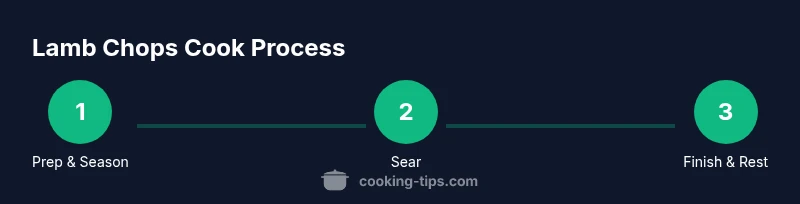
- 1
Prepare chops and season
Pat dry the lamb chops with paper towels, then season generously with salt and pepper. If desired, rub with minced garlic and chopped herbs. Let sit 15–30 minutes to enhance flavor and ensure even cooking.
Tip: Dry surface = better crust; avoid salting too far in advance unless using a dry brine - 2
Preheat pan and sear first side
Heat a cast-iron skillet over medium-high until smoking slightly. Add a thin layer of oil, then place chops in the pan away from you to prevent splatter. Sear 2–3 minutes until a rich crust forms.
Tip: Do not move the chops during the initial sear to build crust - 3
Flip and sear other side
Turn chops with tongs and sear 2–3 minutes on the opposite side. If edges brown, rotate the chops to cook evenly. Check internal temperature with a thermometer.
Tip: Aim for 130–135°F for medium-rare; remove from heat slightly early if thick - 4
Finish in oven (if needed)
For thicker chops, transfer the pan to a preheated 400°F oven and cook 4–6 minutes, until the thermometer reads the desired doneness. Remove and rest.
Tip: Use a rack or tray if pan isn’t oven-safe - 5
Rest and glaze (optional)
Let chops rest for 5–10 minutes to redistribute juices. If desired, finish with a knob of butter or herbal butter for added gloss and richness.
Tip: Resting prevents juice from running out when you cut into the meat - 6
Serve and pair
Slice lightly if desired and serve with your preferred sides. A bright herb salsa or simple pan jus enhances flavor without overpowering the meat.
Tip: Pair with potatoes, green vegetables, and a fresh herb garnish
Quick Answers
Should I bring lamb chops to room temperature before cooking?
Yes. Let chops sit at room temperature for 15–30 minutes to promote even cooking and prevent a cold center. This step helps achieve a uniform sear.
Yes. Let the chops sit out for about 15 to 30 minutes so they cook more evenly and sear nicely.
What internal temperature indicates doneness for lamb chops?
Target about 130–135°F for medium-rare, 135–145°F for medium to well. Remove slightly before reaching the final temp, as the chops will rise a few degrees while resting.
Aim for roughly 130 to 135 degrees for medium-rare, then rest to finish cooking.
Can I cook lamb chops without a cast-iron pan?
You can use a heavy skillet or grill, but cast-iron is preferred for its heat retention and crust formation. If using a grill, ensure even heat and monitor for flare-ups.
A cast-iron pan is best, but you can grill or use another heavy skillet with good heat.
What seasoning works best with lamb?
Simple salt and pepper with garlic and fresh herbs like rosemary or thyme pair beautifully with lamb. You can add a light paprika or cumin for a warm note.
Salt, pepper, garlic, and herbs like rosemary or thyme pair especially well with lamb.
Do I need to marinate lamb chops?
Marinade is optional for a quick weeknight meal. A short 30–60 minute marinade with oil, herbs, and citrus can add depth without changing cook times.
Marinade isn’t necessary; a quick 30–60 minute pat is enough to add flavor.
What sauces pair well with lamb chops?
Red wine reduction, mint chimichurri, or a simple pan jus complement lamb without masking its flavors. Choose fresh herbs for brightness.
Try a red wine reduction or mint chimichurri for a bright, classic finish.
Top Takeaways
- Choose chops of even thickness for uniform doneness
- A hot pan and proper resting unlock juiciness
- Finish thick cuts in the oven to reach target doneness without overcooking
- Season generously and let salt work for flavor
- Rest before slicing to preserve moisture