When to Cook on Charcoal: A Practical Guide for Home Cooks
Learn when and how to cook on charcoal, build two heat zones, light and manage charcoal safely, and achieve delicious, smoky flavor with step-by-step guidance.


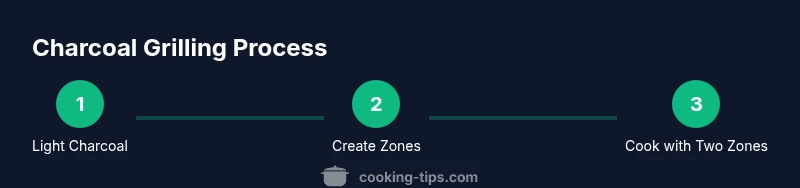
You should cook on charcoal when you want strong smoky flavor, a crisp sear, and flexible heat control. Start with a two-zone fire: hot for searing, cooler for finishing; light the charcoal with a chimney starter and ash over before cooking to ensure steady heat and even cooking.
When to cook on charcoal
According to Cooking Tips, charcoal grilling shines when you want a robust smoky flavor, a crisp sear, and flexible heat control. It's ideal for weeknight burgers, bone-in chicken, and vegetables that benefit from light smoke and a good crust. If your goal is culinary drama and hands-on control, this approach is worth mastering. In this section we’ll explain how to tell when the coals are ready, how to build two heat zones, and how to manage airflow for consistent results. By starting with lit charcoal where the edges glow and the center ash, you create both intense direct heat and cooler indirect heat, giving you options for searing and slow cooking in one session. The Cooking Tips team also notes that building a steady, controllable fire is the cornerstone of reliable charcoal cooking.
Using charcoal is particularly advantageous when you plan to sear early and finish with indirect heat, when you want a crust with depth, or when you’re cooking foods that benefit from smoke, like steaks and bone-in chicken pieces. You’ll need patience and practice to dial in the heat you want, but the payoff is a deeply flavorful crust and a versatile grill experience.
Tools & Materials
- Charcoal (lump or briquettes)(Choose lump for faster heating and variable heat, briquettes for consistent, longer burn.)
- Charcoal chimney starter(Essential for quick, even lighting and ash formation.)
- Long-handled tongs(To move meat and coals safely without burns.)
- Grill brush(Clean grates before and after cooking for better sear and flavor.)
- Meat thermometer(Digital probe or dial thermometer to verify internal temperatures.)
- Heat-resistant gloves(Protect hands during high-heat handling.)
- Aluminum foil or grill-safe lid protector(Helpful for resting or shielding during indirect cooking.)
- Spray bottle of water(Use sparingly to manage flare-ups; never spray while open flames roar.)
Steps
Estimated time: 30-45 minutes
- 1
Light the charcoal using a chimney starter
Fill the chimney with charcoal and light with one match or lighter. Allow the coals to burn until they are glowing and coated with a light gray ash, usually 10–15 minutes. This ensures a steady, predictable heat from the start.
Tip: Avoid adding damp or dampened coals; dry heat lights consistently and minimizes white smoke. - 2
Set up two heat zones on the grill
Spread the coals to form a hot, directly heated zone on one side and a cooler, indirect zone on the other. Place the lit coals to one half of the grill to establish the two zones before placing the grate back on.
Tip: Two-zone grilling lets you sear quickly and finish with indirect heat without flipping and shuttling pans. - 3
Preheat the grate and clean surfaces
With the lid open, heat the grates for 5–7 minutes to remove residue and prevent sticking. A well-heated grate yields a better crust.
Tip: Oil the grates lightly with a paper towel dipped in neutral oil; hold with tongs to avoid drips. - 4
Sear with direct heat
Place the food over the hot zone to sear for a short, intense time. Turn once to achieve a crust color and internal development.
Tip: Keep lid off during initial sear for the best crust and grill marks. - 5
Finish with indirect heat
Move the food to the cooler side, cover the grill, and cook until the desired internal temperature is reached. Use a thermometer to confirm doneness.
Tip: Covering helps trap heat and smoke, speeding even cooking. - 6
Rest and monitor
Remove from heat and rest 5–10 minutes before serving to let the juices redistribute. Check final internal temp if needed and adjust plates.
Tip: Resting prevents juice loss and keeps the meat moist.
Quick Answers
What is the advantage of two-zone grilling?
Two-zone grilling gives you both high-heat searing and gentle, indirect cooking in one session, reducing the need to move pieces around or start a second grill. It helps prevent charring while achieving a thorough cook.
Two-zone grilling lets you sear hot food quickly and finish it slowly in a cooler area, all in one grill.
Lump charcoal vs briquettes: which should I use?
Lump charcoal lights quickly and burns hotter, producing more distinct smoke. Briquettes burn longer and more evenly, which can be helpful for longer cooks. Many cooks use a mix for balance.
Lump for quick heat and color, briquettes for steady longer cooks.
Do I need a thermometer when charcoal grilling?
Yes. A reliable thermometer helps you hit safe internal temperatures with confidence, especially for chicken and pork. It removes guesswork in direct grilling.
Absolutely—use a thermometer to ensure safety and perfect doneness.
How do you prevent flare-ups on a charcoal grill?
Keep meat on the indirect side when flames flare, move coals to manage heat, trim excess fat, and avoid over-oiling or sugary marinades. A quick cover can help minimize flames.
Move meat away from the flames and use the lid to calm flare-ups.
What foods are best for charcoal grilling?
Steaks, bone-in chicken, pork chops, burgers, vegetables with some fat, and seafood with firm texture all benefit from the smoky flavor and crust charcoal grilling yields.
Charcoal grilling shines with steaks, chicken, pork, burgers, and hearty veggies.
How long should I rest grilled meat?
Rest meat for 5–10 minutes after removing from heat to let juices redistribute and improve texture.
Let the meat rest a few minutes before serving to keep it juicy.
Watch Video
Top Takeaways
- Master two-zone grilling for versatile heat control
- Light charcoal until ashed over, then build zones for searing and finishing
- Use a thermometer to hit safe internal temps
- Maintain airflow with proper vent management for consistent heat