How to cook with charcoal grill: A practical, step-by-step guide
Learn the essentials of cooking with a charcoal grill—from fuel choice and ignition to heat management and clean-up. This step-by-step guide covers safety, direct vs indirect cooking, flavor maximization, and maintenance for reliable, delicious grilled meals.


This guide shows you how to cook with a charcoal grill by choosing the right fuel, building heat zones, and applying direct and indirect cooking techniques for flavorful, evenly cooked results. You’ll learn safety basics, ignition methods, and how to clean up afterward for long-lasting grill performance.
Why charcoal grilling matters for flavor and control
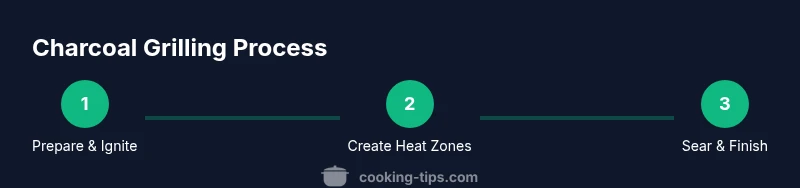
Cooking with charcoal delivers a depth of flavor and a responsive heat experience that gas grills can’t always match. The choice between lump charcoal and briquettes affects ignition speed, heat stability, and how long you can sustain a given temperature. Two-zone cooking—hot direct heat for searing and cooler indirect heat for finishing—lets you quickly develop crusts while gently bringing smaller or thicker items to doneness. According to Cooking Tips, mastering heat zones, fuel type, and airflow is the foundation of reliable charcoal grilling results. Understanding smoke production and how to balance it with the natural flavors of meat, vegetables, and seafood helps home cooks avoid overpowering the food. This section lays the groundwork for confident, repeatable outcomes whether you’re grilling quick steaks or longer roasts.
- The fuel choice influences flavor and burn characteristics. Lump charcoal burns hotter and faster, while briquettes offer steadier, longer heat. If you’re new to charcoal, starting with a two-zone setup and a chimney starter can simplify ignition and heat control.
- Heat management is the skill behind perfect crusts and juicy interiors. You’ll create a hot sear zone and a cooler zone to finish cooking without burning the exterior.
- Flavor balance matters. Pair charcoal with wood chunks or chips to introduce subtle smoke without masking the food’s natural taste.
Tip: Practice with small batches to dial in heat, timing, and smoke intensity before cooking your main meal.
According to Cooking Tips, developing a feel for the grill comes from repeated practice and mindful observation of heat behavior and airflow.
note”:null,
Tools & Materials
- Chimney starter(Ignite charcoal quickly and evenly without lighter fluid)
- Long match or lighter(Or use the chimney starter with built-in igniter if available)
- Long-handled tongs(Safe handling for hot coals and food)
- Heat-resistant gloves(Protect hands during grilling and shifting coals)
- Grill brush(Clean grates before and after cooking)
- Instant-read thermometer(Check meat temperatures precisely)
- Two-zone setup plan(Create direct and indirect heat areas on the grill)
- Aluminum foil or small pans (optional)(Catch drips or create indirect zones for delicate items)
- Wood chips or chunks (optional)(Add smoky flavor when desired (soak chips 30 min))
Steps
Estimated time: Total time: 30-45 minutes (excluding rest and marinating times)
- 1
Prepare the station and fuel
Clear the cooking area, lay out tools, and gather fuel options. Decide if you’ll use lump charcoal or briquettes. Set up the grill with a clean grate and a dry, accessible workspace for handling hot components.
Tip: Have everything within arm’s reach to minimize heat exposure while you work. - 2
Clean the grates and preheat
Scrub the grates to remove residue, then preheat the grill by opening vents and letting air flow. A clean surface prevents sticking and gives you a true temperature reading as the grill comes to temperature.
Tip: A hot, clean grate yields better sear and easier food release. - 3
Light the charcoal with a chimney starter
Fill the starter with charcoal and light it from the bottom. When the charcoal is ashed over, pour it into the grill, creating a hot direct zone and a cooler indirect zone.
Tip: Avoid lighter fluid on hot coals; use a chimney starter for clean ignition. - 4
Establish heat zones
Spread hot coals on one side for a direct high-heat zone and leave the other side cooler for indirect cooking. Place the food over the direct zone for searing, then move it to the indirect area to finish cook-through if needed.
Tip: Two-zone setup is essential for cooking thicker cuts without burning the exterior. - 5
Season and prep food
Season meat or vegetables just before cooking to maximize surface flavor without drawing moisture from the foods. If using wood for smoke, add chips or chunks to the coal bed.
Tip: Lightly oil the grill grates or lightly brush food with oil to reduce sticking. - 6
Sear then finish with indirect heat
Start with a quick sear over direct heat to form a crust, then move to indirect heat to reach desired internal temperature. Keep the lid closed when appropriate to maintain consistent heat.
Tip: Use a thermometer to monitor doneness and avoid overcooking. - 7
Rest and serve
Let the meat rest off the grill to allow juices to redistribute, then slice and serve. Resting improves juiciness and flavor balance.
Tip: Rest times vary by cut—roughly 5–10 minutes for small cuts, 10–15 for larger roasts. - 8
Clean up and store
Scrub the grates, remove ashes, and store charcoal in a dry place. Inspect vents and hardware for wear and replace parts as needed to extend grill life.
Tip: Regular maintenance prevents uneven performance and extends grill life.
Quick Answers
What is the difference between lump charcoal and briquettes?
Lump charcoal burns hotter and faster with more irregular heat, while briquettes burn longer and more consistently. Your choice affects searing, temperature control, and flavor nuances.
Lump charcoal heats quickly and can give a bold sear; briquettes burn more evenly for longer cooks.
Do I need lighter fluid to start a charcoal grill?
No. Use a chimney starter or matches to light the coals. Lighter fluids can add unwanted flavors and fumes.
You don’t need lighter fluid if you use a chimney starter.
How long should I preheat a charcoal grill?
Aim for 15-20 minutes after lighting the charcoal until the coals glow orange and the grate is hot. Temperature will stabilize as vents are adjusted.
Preheat for about 15 to 20 minutes, then you’re ready to cook.
Can I grill vegetables on a charcoal grill?
Yes. Use a grill basket or direct placement on the grate. Vegetables cook quickly; slice evenly and oil lightly to prevent sticking.
Absolutely, vegetables grill well on charcoal—use a basket for easy turning.
How do I tell when meat is done on a charcoal grill?
Use an instant-read thermometer to check internal temperature. Keep in mind the rest period will raise the final temp slightly.
Check with a thermometer to ensure safe and accurate doneness.
What safety precautions should I follow when grilling with charcoal?
Work in a well-ventilated area, keep water or a fire extinguisher nearby, and never leave the grill unattended. Use long-handled tools and protective gear.
Grill in a ventilated area and keep kids away; always have a plan for flare-ups.
Watch Video
Top Takeaways
- Master two-zone heat to sear and finish evenly
- Use a chimney starter for clean ignition
- Control airflow for stable temperatures
- Mind flavor balance with careful smoke use
- Rest meat to maximize juiciness