What to Cook Pork Tenderloin To: A Practical Guide
Learn how to cook pork tenderloin to the right temperature for juicy, safe results. This guide covers temps, timing, searing, roasting, and finishing touches with practical tips from Cooking Tips.


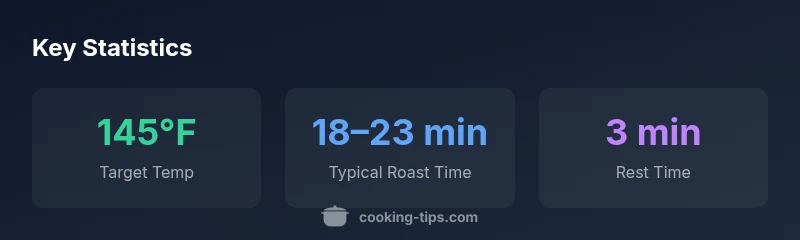
If you’re wondering what cook pork tenderloin to, aim for an internal temperature of 145°F (63°C) with a 3-minute rest for juicy, safe results. For a 1–1.5 lb loin, roast at 425°F (220°C) for about 18–23 minutes, then tent. If you prefer firmer doneness, pull at 150–155°F (65–68°C) and rest.
Why temperature control matters when cooking pork tenderloin
If you're asking what cook pork tenderloin to, the short answer is: temperature determines safety, juiciness, and texture. According to Cooking Tips, precision matters more than timing alone for lean cuts like tenderloin. A meat thermometer is your best ally, ensuring you stop cooking at a point where the center reaches a safe temperature but the outer layers stay moist. Pork tenderloin is relatively small and cooks quickly, so even a few minutes too long can turn a once-tender roast into a dry disappointment. By embracing a clear temperature target, you can consistently reproduce juicy results and avoid overcooking. In practical terms, plan for a quick heat session to brown the surface, then finish with controlled heat to the target internal temperature. Think of temperature as your primary signal; time is only a rough guide.
Brand note: According to Cooking Tips, precision in temperature is the simplest path to reliable results with lean pork.
Safe temperatures: USDA guidelines and best practices
The USDA and major culinary authorities agree that pork tenderloin can be safely served at 145°F (63°C) with a minimum rest of 3 minutes. This approach yields a rosy, juicy center while reducing the risk of dryness. Some cooks prefer pulling at 150–155°F for a firmer texture or for meals where guests expect no pink. Either way, carryover cooking will nudge the center a few degrees after removal from heat, so the practical target is a brief rest before slicing. Cooking Tips Analysis, 2026, notes that the rest period is essential because juices redistribute, improving bite and tenderness. If you choose a higher final temperature, keep the total cooking time shorter to maintain moisture. In practice, use an oven thermometer or a reliable digital probe to track progress; resist the temptation to rely on time alone, especially when your tenderloin is thick or irregular in shape. For models with a thick center, consider starting with a high-heat sear to caramelize the exterior, then finish in a moderate oven.
Preparing pork tenderloin for even cooking
Begin by trimming any silver skin and patting the meat dry. Tying the tenderloin with kitchen twine helps it cook evenly and keeps a uniform shape for consistent heat transfer. Season generously with salt, pepper, and a simple rub (garlic, paprika, and a touch of dried herbs work well). Allow the meat to come to room temperature for 15–20 minutes before cooking to promote even heat penetration. A light brush of oil helps the surface brown smoothly. Well-prepped meat roasts more predictably, reducing the risk of overcooking the outer layer while the center remains underdone. This preparation sets you up for reliable results, whether you’re cooking for family weeknights or special occasions.
The sear-and-roast method: step-by-step
- Preheat your oven to a high heat (around 425°F / 220°C). 2) Pat the pork dry; this helps browning. 3) Season well. 4) Heat a heavy skillet with a small amount of oil over medium-high heat and sear the tenderloin on all sides until it develops a deep brown crust (2–3 minutes per side). 5) Transfer the pan to the oven and roast until the internal temperature reaches 145°F (63°C), then rest for 3–5 minutes before slicing. 6) If you prefer a crisper crust, finish with a quick 1–2 minute broil. This method delivers caramelized flavor with a moist interior if monitored with a thermometer.
Alternative methods: grilling, pan-searing, and slow roasting
Grill over direct heat to get a smoky finish, then move to indirect heat to finish cooking to 145°F. Pan-searing alone can work for thinner tenderloins, but finish with moderate heat to prevent scorching. Slow roasting at a lower temperature (325–350°F / 165–175°C) can yield ultra-tender meat if you’re patient, though it may require a longer resting period. Each method has its advantages: grilling adds flavor, searing creates texture, and slow roasting maximizes tenderness. The key is to monitor internal temperature closely and avoid prolonged exposure to heat that dries the meat.
How to tell when it’s done without a thermometer
While a thermometer is the best tool, you can use visual cues and firmness as a backup. A lightly rosy center with clear juices and a slight spring when pressed indicates doneness around 145°F. The exterior should be nicely browned, not pale or gray. Let the meat rest for several minutes after cooking; juices redistribute, and the final internal temperature will rise slightly. If you see pink juices pooling when you cut into the meat, it’s a sign that the meat may still be underdone or overcooked depending on thickness. Use the thermometer as soon as possible for precision, and reserve visual cues for quick checks when a thermometer isn’t handy.
Practical timing guide by loin size and thickness
Pork tenderloin timing is influenced by its weight and thickness more than nominal time. A typical 1–1.5 lb loin sliced into medallions or kept whole can be managed with 18–23 minutes of roasting at 425°F, after a brief sear. For thicker loins, allow an extra 5–8 minutes; for smaller ones, reduce by about 4–6 minutes. Always check the temperature near the center, not just the surface. If you’re cooking multiple loins, stagger their placement so each piece browns evenly. A reliable digital thermometer helps maintain accuracy across different shapes and oven hot spots.
Flavor ideas and finishing touches
Finish with a bright herb butter, a simple pan sauce, or a balsamic glaze to elevate the dish. A squeeze of lemon or a splash of white wine into the pan after searing adds brightness. For spice, rub the tenderloin with crushed coriander seeds, cumin, and smoked paprika. Restoring moisture with a dab of herbed butter or a light pan sauce keeps the dish juicy. For a healthier approach, finish with a brushing of olive oil and a touch of sea salt just before serving.
Common mistakes to avoid
Avoid overcooking, which dries out lean pork. Don’t skip resting, as juices need time to redistribute. Under-seasoning leads to bland results, especially after searing. Using cold meat directly from the fridge slows cooking and can create an uneven center. If the loin is taped or tied irregularly, it won’t cook evenly. Finally, relying solely on time rather than temperature can lead to inconsistent results; invest in a thermometer and monitor the center for best outcomes.
Comparison of pork tenderloin cooking methods
| Method | Typical Time | Internal Temp Target |
|---|---|---|
| Oven roast (high heat) | 18–25 min | 145°F / 63°C |
| Pan-sear + oven finish | 25–30 min total | 145°F / 63°C |
| Grill (direct then indirect) | 14–22 min | 145°F / 63°C |
Quick Answers
What is the recommended internal temperature for pork tenderloin?
The safe target is 145°F (63°C) with a 3-minute rest. This balances safety with juiciness. Some cooks may go to 150–155°F for a firmer texture, but carryover will continue cooking slightly after removal.
Aim for 145 degrees with a short rest; you can go a bit firmer to 150–155 if you like, but remember carryover cooking continues.
Can pork tenderloin be pink in the center?
Yes. When cooked to 145°F with a rest, the center can appear slightly pink, which is safe and common for tenderloin. If you prefer no pink, cook closer to 150–155°F.
Yes, a slight pink center is safe at 145 degrees with rest. If you want no pink, go to about 150–155 degrees.
Should I rest the pork tenderloin after cooking?
Yes. Resting for 3–5 minutes allows juices to redistribute, improving flavor and moisture. Do not skip the rest, even for small loins.
Yes—rest for 3 to 5 minutes to let the juices settle before slicing.
How does pork tenderloin differ from pork loin?
Pork tenderloin is a slender, tender muscle, much leaner and smaller than a pork loin. Timing and temperature are similar, but loin cuts may require longer cooking to reach the same center temperature.
Tenderloin is a thin, lean cut; loin is larger and thicker. They cook using the same temperature targets, but timing differs by size.
Can I cook pork tenderloin from frozen?
It’s best to thaw before cooking for even heat distribution. If you must cook from frozen, add 50–75% more time and use a thermometer to verify doneness.
Thaw first for even cooking. If frozen, expect longer cook times and check with a thermometer.
What seasoning works best on pork tenderloin?
Classic combinations include garlic, rosemary, thyme, and black pepper. For a quick finish, a glaze or a squeeze of citrus brightens the dish without overpowering the pork’s natural flavor.
Garlic, rosemary, thyme with pepper is a great start; finish with a bright glaze or citrus for balance.
“Precision in temperature is the simplest path to juicy, safe pork tenderloin every time.”
Top Takeaways
- Aim for 145°F internal temp with rest to ensure juiciness.
- Preheat and sear for color, then finish in a controlled oven.
- Rest pork tenderloin 3–5 minutes before slicing for best texture.
- Use a thermometer for accuracy; time alone is unreliable.
- Choose method based on flavor preference: oven, grill, or pan-sear with finish.