How to Cook a Beef Tenderloin: A Step-by-Step Guide
Master how to cook a beef tenderloin with step-by-step trimming, searing, roasting, and resting for perfectly tender, flavorful results.


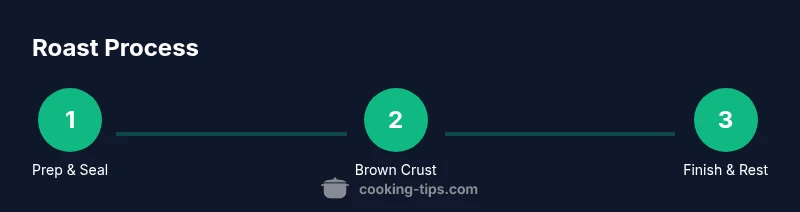
In this guide you will learn how to cook a beef tenderloin to juicy, even doneness. You’ll trim and pat dry, season, sear for a crust, roast to the right internal temperature, and rest before slicing. Gather a roasting pan, meat thermometer, heavy skillet, sharp knife, and cutting board to start.
Why Beef Tenderloin Is a Crown Roast
Beef tenderloin, prized for its velvet tenderness and mild beef flavor, comes from the short loin and has less connective tissue than many other cuts. This makes it ideal for celebratory meals or a Sunday dinner, where you want a spectacle without sacrificing texture. The challenge is balancing a beautifully browned crust with a uniformly rosy center, all while avoiding overcooking a cut that can turn dry if mishandled. According to Cooking Tips, understanding marbling, weight, and thickness helps you plan cooking times with confidence. The goal is a crusty exterior and a tender, evenly cooked interior that looks as impressive as it tastes. With practice, you’ll learn to gauge doneness by feel and by temperature, ensuring every slice reveals a pink, juicy center rather than a gray, tough edge.
Selecting and Preparing the Meat
Start with a whole beef tenderloin that weighs between 4 and 6 pounds for a typical dinner party, though smaller roasts work for intimate meals. Look for a piece with bright red color and even marbling; avoid grayish surface spots or a strong sour odor. If your budget allows, ask your butcher to trim the silverskin and tie the roast with butcher's twine for uniform cooking. Before you season, pat the surface dry with paper towels; moisture at the surface inhibits crust formation. If you have time, a light dry brine (rosemary-salt blend or simple kosher salt) for 1–2 hours helps flavor penetration and crisp crust during searing. Make sure the meat is cold but not stiff; this makes handling safer and cooking more predictable.
Tools and Kitchen Setup
Prepare a workspace with a clean cutting board, a sharp knife, and a sturdy roasting pan that can hold the tenderloin without crowding. A heavy skillet (cast iron or stainless) is ideal for the initial sear, but a broiler or oven-safe skillet can substitute. An instant-read meat thermometer or probe thermometer is essential for accurate doneness; set your target temperature based on preferred doneness (see the Doneness guide below). A digital timer helps coordinate steps and resting time. If you’re finishing sauce in the same pan, ensure you have a sieve or fine-mesh strainer handy to remove solids. Finally, have aluminum foil tent ready for resting; this keeps heat in while the juices redistribute.
Trimming, Dry Brining, and Seasoning
Most tenderloins arrive already trimmed, but remove any excess fat or silver skin you find. Pat dry again after trimming to promote crust formation. Salt is your primary flavor driver; a light dry brine with kosher salt helps flavor evenly and improves texture. Add a complementary mix if you like: cracked black pepper, garlic powder, and a touch of thyme. Coat the meat evenly; a thin layer of oil improves browning. If you’ve planned a marinade, keep it simple to avoid overpowering the beef; a small amount of olive oil and aromatics works well. Let the seasoned roast rest in the fridge for at least 30 minutes, or up to several hours if your schedule allows.
Searing for Flavor and Color
Searing builds a flavorful crust and locks in juices. Heat your skillet over high heat until shimmering, then add a small amount of high-smoke-point oil. Place the tenderloin in the pan and resist the urge to move it for 2–3 minutes to develop a crust. Turn and sear all sides, including the ends, until deeply browned. If the surface sticks, give it another 30 seconds before turning. The goal is a rich, caramelized exterior with an even brown color. Searing also helps render surface fat and enhances aroma for the oven phase.
Roasting to Perfect Doneness
Transfer the seared tenderloin to a roasting pan and slide it into a preheated oven. The oven temperature can vary, but a common approach is 425°F (220°C) for a quick roast, then lowering to 375°F (190°C) for the remaining time; another method is a consistent 400°F (205°C) throughout. Use an immediate thermometer to monitor internal temp; target 125°F (52°C) for rare, 135°F (57°C) for medium-rare, or 140–145°F (60–63°C) for medium. Remember that carryover cooking will lift the final temp by about 5–10°F (3–6°C) while resting. The roast will benefit from a gentle touch to avoid drying the outer layer while the inside catches up.
Resting and Carving
Remove the roast from heat a few degrees before reaching the final temp; tent loosely with foil and let rest for 15–20 minutes. Resting allows juices to redistribute, resulting in a juicier slice with uniform color. Slice the tenderloin against the grain into medallions or thick slices, depending on your platter. Use a sharp carving knife and a steady hand to prevent tearing. If you prepared a pan sauce, deglaze the roasting pan with a splash of wine or stock, scrape up browned bits, and simmer to concentrate, then strain before serving alongside the meat.
Sauces and Finishing Touches
A classic beef tenderloin shines with simple sauces that complement rather than overwhelm the beef. Consider a red wine reduction, a mushroom pan sauce, or a butter-based pan sauce with herbs. Finish with a pat of butter to create a glossy, rich surface. Fresh herbs add color and aroma—tarragon, chives, or parsley provide a bright finish. If you prefer a lighter option, offer a squeeze of fresh lemon or a dairy-free option like a veal or beef stock-based glaze. Serve the slices with pan sauce pooled on the plate for a restaurant-worthy presentation.
Troubleshooting Doneness and Safety
If the roast finishes undercooked, return to oven in small increments until it reaches the target temperature. If it finishes overcooked, you can slice thinner portions to maximize perceived tenderness. Always use a calibrated thermometer; rely on visual cues like a rosy center and a slight give when pressed. Food safety matters: refrigerate leftovers within two hours and reheat to at least 165°F (74°C) before serving. When in doubt, slice a test piece to verify uniform color and texture; the goal is a warm, pink center with a browned crust.
Serving Suggestions and Pairings
Beef tenderloin pairs with classic sides that balance richness: roasted potatoes, green beans amandine, or a simple gratin. For wine, choose a red with moderate tannins and good acidity to cut through the richness, such as a Pinot Noir or a Cabernet blend depending on your menu. Fresh herbs like chives or parsley add color, while a bright chimichurri or a light citrus vinaigrette can provide a refreshing contrast. Arrange slices on a warmed platter and drizzle a small amount of pan sauce to complete the dish. A simple garnish, like flaky salt or cracked pepper, finishes the plate beautifully.
Tools & Materials
- Roasting pan(Oven-safe, large enough to hold the tenderloin without crowding)
- Heavy skillet (cast iron or stainless)(For a proper crust; 10–12 inch skillet works well)
- Sharp chef's knife(For trimming and carving)
- Cutting board(Stable surface; wide enough for whole roast)
- Meat thermometer (instant-read or probe)(Critical for accurate doneness)
- Aluminum foil(Tent roast during resting)
- Kitchen twine(Helpful to tie the tenderloin for even cooking)
- Tongs(Turn and sear without piercing the meat)
- Paper towels(Pat dry surfaces for crust formation)
Steps
Estimated time: 1 hour 45 minutes
- 1
Prepare and trim the beef
If present, remove excess fat and silver skin. Pat the surface dry thoroughly to promote browning. Tie with butcher’s twine if desired to encourage uniform cooking. This step sets up the roast for even searing and roasting.
Tip: Dry surface equals better crust; don’t skip patting dry. - 2
Dry-brine and season
Season generously with kosher salt and optional pepper or herbs. A light dry brine helps flavor penetrate and improves texture. Let the meat rest in the fridge for 1–2 hours, uncovered if possible for better surface drying.
Tip: Even salt distribution leads to a more consistent crust. - 3
Preheat and heat the pan
Preheat the oven to the target roasting temperature and heat the skillet over high heat until shimmering. A hot surface ensures rapid browning and crust formation before the roast goes into the oven.
Tip: If your oven runs cool, start at a higher first stage to get a crust fast. - 4
Sear for crust
Sear the tenderloin on all sides, turning with tongs to build a deep brown crust without moving too soon. This creates a flavorful exterior and helps seal in juices.
Tip: Resolve sticking by giving the meat more time on a side before turning. - 5
Roast to doneness
Transfer the seared roast to the roasting pan and place in the oven. roast at 425°F (220°C) for 10–15 minutes, then reduce to 375°F (190°C) for the remainder, or use a steady 400°F (205°C) throughout. Monitor internal temp closely.
Tip: Carryover cooking will finish the job; plan for 5–10°F rise. - 6
Check temperature
Use an instant-read thermometer to check the center. Target 125°F (52°C) for rare, 135°F (57°C) for medium-rare, or 140–145°F (60–63°C) for medium. Remove the roast when it’s 5–10°F below your target.
Tip: Dial in your preferred doneness ahead of resting. - 7
Rest the roast
Tent loosely with foil and rest for 15–20 minutes. Resting redistributes juices and finishes cooking gently. This step is essential for juicy slices.
Tip: Don’t rush to carve; juice redistribution matters. - 8
Carve the meat
Slice against the grain into medallions or thick slices, depending on your presentation. Use a sharp knife for clean cuts and minimal tearing of the crust.
Tip: A cool, sharp blade keeps slices neat. - 9
Make a quick pan sauce
Deglaze the roasting pan with wine or stock, scrape browned bits, and reduce to concentrate flavor. Strain if needed and spoon a little over the sliced meat.
Tip: A glossy finish elevates the plate; don’t skip the deglaze step.
Quick Answers
What is the best internal temperature for beef tenderloin?
Aim for medium-rare to medium for most tenderloin cuts: about 135°F (57°C) for medium-rare, up to 145°F (63°C) for medium. Remember, rest will raise the temperature slightly. Adjust based on personal preference and roast size.
Aim for medium-rare to medium, around 135 to 145 degrees after resting. Resting will raise the temperature a few degrees.
Should I tie the tenderloin?
Tying helps the roast cook evenly and maintain a uniform shape, especially for longer tenderloins. If you skip it, ensure the meat is evenly shaped and secured with toothpicks or kitchen twine as needed.
Yes, tying helps it cook evenly and keeps a nice shape. If not tied, check for even thickness while cooking.
Can I cook beef tenderloin from frozen?
Cooking from frozen is not ideal for even doneness. If you have time, thaw completely in the fridge overnight, then proceed with the standard method for best texture and even cooking.
Thaw it first for the best texture and even doneness.
How long does it take to roast a beef tenderloin?
Roast times vary with size and oven, but plan for about 20–30 minutes after searing for a 4–6 pound roast, plus preheating and resting. Always rely on a thermometer rather than time alone.
Plan for roughly 20–30 minutes after searing, but check doneness with a thermometer.
What sides go well with beef tenderloin?
Classic pairings include roasted potatoes, green beans, and a light salad. For heartier meals, consider a mushroom sauce, red wine jus, or a bright herb chimichurri to balance richness.
Roasted potatoes and green beans with a mushroom or wine sauce complement the beef nicely.
Can I make this ahead and reheat leftovers?
Cooked tenderloin is best fresh, but you can refrigerate slices and gently reheat in a low oven or on the stove with a little sauce to retain moisture. Avoid reheating too aggressively to prevent dryness.
Leftovers reheat best slowly with sauce to keep moisture.
Top Takeaways
- Choose a tenderloin with good marbling for flavor and tenderness.
- Dry-brine and pat dry to improve crust and evenness.
- Sear before roasting to develop a deep, caramelized crust.
- Rest properly to redistribute juices and keep slices juicy.
- Use a thermometer to hit the exact doneness you want.