How to Cook a Pork Loin: A Practical Guide for Home Cooks
Learn a reliable, thermometer-driven method to cook pork loin with rubs, searing, roasting, resting, and serving ideas. Includes safety tips, weight-based timing, and flavor options for juicy, evenly cooked pork.


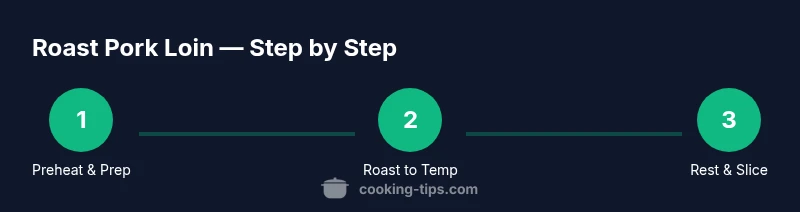
To cook a pork loin successfully, start with room-temperature meat, rub with salt and herbs, sear if desired, then roast until the internal temperature reaches 145°F (63°C). Rest 5-10 minutes before slicing. Plan about 20 minutes per pound at 350°F, plus a quick probe check for even doneness. This method yields juicy, evenly cooked pork.
Why pork loin is a versatile staple
If you're wondering how can i cook a pork loin, you're in the right place. According to Cooking Tips, pork loin is lean, affordable, and surprisingly forgiving when you manage heat and rest. This guide covers a reliable method, plus variations for flavors, weights, and equipment. You'll learn to choose a loin, prep it properly, and use thermometer-driven cooking to hit a juicy, uniform finish. By the end, you'll have a clear plan you can adapt for a simple Sunday roast or a weeknight dinner.
Food safety basics for pork loin
Food safety should guide every step of cooking pork loin. Start with clean hands and clean surfaces to prevent cross-contamination. Thaw frozen loin safely in the refrigerator or under cold water, never on the counter. Wash your hands after handling raw meat, and sanitize countertops and utensils. When the pork is cooked, verify an internal temperature of 145°F (63°C) and allow a 3-minute rest before slicing to prevent a rush of juices from leaking out. Resting also helps the meat finish cooking gently through carryover heat.
Choosing the right pork loin and prep
Choose a boneless or bone-in pork loin based on your preference and budget. A boneless loin is easier to portion, while a bone-in roast can add flavor. Look for a pinkish tint, even marbling, and a clean fat cap if present. Pat the meat dry with paper towels to help browning, and trim excess fat if it feels thick. Season generously with salt or a dry rub, letting it sit for 15-20 minutes to draw moisture to the surface for better crust. This approach aligns with practical cooking techniques that home cooks rely on daily.
Method options: roast, sear, or slow-cook
There are multiple paths to a great pork loin. Roasting at moderate heat produces an even cook and a nice crust; searing beforehand adds depth of flavor; slow-cooking yields tender shreddable meat for pulled-like presentations. A common, reliable method is to sear briefly in a hot pan, then finish in a hot oven to reach 145°F (63°C) internal. Choose your method based on time, available equipment, and the texture you want. Adjustments in heat and time will influence crust, juiciness, and overall ease.
Flavor ideas: rubs, marinades, glazes
Enhance pork loin with simple rubs, marinades, or glazes. Try a garlic-herb rub with olive oil and rosemary; a maple-mustard glaze for a sweet-savory finish; or a citrus-olive oil marinade to brighten the meat. For a quick profile, mix kosher salt, black pepper, paprika, and a pinch of brown sugar. If you’re short on time, a pre-made pork rub can be effective. Remember that thicker roasts benefit from more robust seasoning to penetrate the surface.
Temperature and resting: how to tell when it's done
The key to juicy pork loin is temperature control. Aim for an internal temperature of 145°F (63°C) in the center. Remove the meat from the heat a few degrees before reaching the target, because carryover cooking will finish the job during resting. Let the roast rest for 5-10 minutes, tented loosely with foil, to redistribute juices. Cutting too soon leads to a drier slice, while proper rest yields moist, flavorful slices.
Scaling and timing for different weights
Pork loin timing scales with weight and thickness. For a typical 3-4 pound loin, plan for about 1.5-2 hours of roasting at 350°F (175°C), plus 15-20 minutes prep. If your loin is smaller, reduce time; for larger roasts, increase. Use a thermometer for accuracy rather than relying on time alone. Always consider variables like oven calibration, bone presence, and initial meat temperature when estimating doneness.
Tools & Materials
- Meat thermometer (instant-read or probe)(Insert into center of thickest part; monitor as you cook)
- Oven-safe roasting pan with rack(Elevates meat for even heat circulation)
- Skillet (stovetop, cast iron ideal)(For optional sear; use high heat and a small amount of oil)
- Paper towels(Pat meat dry to promote browning)
- Sharp carving knife(Slice against the grain for tenderness)
- Cutting board(Stable surface for slicing after resting)
- Mixing bowls(For rubs and marinades)
- Aluminum foil(Tent meat during resting if needed)
Steps
Estimated time: Total time: 1.5-2 hours depending on weight, plus 15-20 minutes prep
- 1
Preheat oven and prep the loin
Preheat the oven to 350°F (175°C). Pat the pork loin dry with paper towels, trim any thick fat, and pat again. Rub with kosher salt and a chosen spice blend to begin building flavor.
Tip: Allow the meat to sit at room temperature for 15–20 minutes to promote even cooking. - 2
Season and sear (optional)
If you like a crust, sear the loin in a hot skillet with a small amount of oil for 1–2 minutes per side until browned. This step develops flavor and color.
Tip: Searing is optional but enhances crust; skip if you prefer a simpler method. - 3
Rack in a roasting setup
Place the loin on a rack inside the roasting pan to ensure air reaches all sides for even browning and heat distribution.
Tip: Elevating the meat prevents it from sitting in rendered fat, which helps crust formation. - 4
Insert thermometer and roast
Insert the thermometer into the center of the thickest part and place the pan in the oven. Roast until the temperature reaches 145°F (63°C).
Tip: Check occasionally after the first hour; adjust time based on actual read. - 5
Rest the meat
Remove the loin from the oven and tent loosely with foil. Let it rest for 5–10 minutes to redistribute juices.
Tip: Resting prevents juices from pooling when you slice. - 6
Slice and serve
Slice against the grain into even pieces. Serve with pan juices or a glaze if desired.
Tip: Cut across the grain for maximum tenderness. - 7
Glaze or finish (optional)
Brush with a glaze or finish under the broiler for 1–2 minutes to set a glossy crust.
Tip: Watch carefully to avoid burning the sugars in the glaze. - 8
Scale for different weights
Adjust time based on weight and thickness; use a thermometer rather than relying on time alone.
Tip: Thicker cuts need more time; smaller loins finish faster.
Quick Answers
What is the safe internal temperature for pork loin?
Cook pork loin to 145°F (63°C) and let it rest for 3 minutes before slicing. This follows standard food-safety guidelines to ensure doneness and juiciness.
Cook the pork to one forty-five degrees and rest a few minutes before slicing.
Should I roast pork loin covered or uncovered?
Roasting uncovered promotes browning and crust. If the pork browns too quickly, loosely tent with foil. Covering completely can soften the crust but keeps moisture.
Roast uncovered for a crust, cover loosely if it browns too fast.
Can I use a slow cooker for pork loin?
Yes, a slow cooker works, but texture differs from roasting. Cook on low for 6-8 hours until tender, or high for 3-4 hours. Check for doneness with a thermometer.
You can use a slow cooker, and you’ll want to check doneness with a thermometer.
How long should pork loin rest after cooking?
Rest for 5-10 minutes after removing from heat to let juices redistribute and finish cooking via carryover heat.
Rest 5 to 10 minutes before slicing.
What if my pork loin is frozen?
Thaw completely in the refrigerator before cooking. Plan for longer cooking times and verify doneness with a thermometer.
Thaw completely first, then cook and check temperature.
What pairings go with pork loin?
Apples, onions, rosemary, and roasted potatoes are classic complements that balance sweetness, savory notes, and starch.
Pair with apples and rosemary for a classic combo.
Watch Video
Top Takeaways
- Preheat and pat dry for better crust.
- Roast to 145°F internal, then rest before slicing.
- Use a thermometer for precision, not just time.
- Choose rubs or glazes to customize flavor.