What to Cook Ham In: A Practical Guide for Home Cooks
Learn how to cook ham in the oven, stovetop, or slow cooker with safe reheating, glazing ideas, timing guidance, and expert tips from Cooking Tips. A complete how-to for fully cooked and raw hams, with practical steps and foolproof results.


Goal: Learn how to cook ham in the oven or on the stovetop, with safe reheating, glaze ideas, and timing guidance. This step-by-step guide covers both fully cooked and raw hams, showing how to heat evenly, avoid dryness, and finish with a glossy glaze. Practical tips help you test doneness, carve cleanly, and serve confidently.
Understanding what to cook ham in
For home cooks, the vessel you choose—oven, stovetop, or slow cooker—significantly affects juiciness, texture, and flavor. If you're asking a common question like what to cook ham in, the answer depends on the ham type (fully cooked vs raw) and the desired finish (glazed, browned, or simply heated through). According to Cooking Tips, start by identifying whether your ham is fully cooked and bone-in, or raw and need full cooking from a raw state. A well-chosen cooking method not only preserves moisture but also supports even heat distribution, which makes slicing easier and serving more appealing. As you prepare, consider the size, bone presence, and whether you plan to glaze; these choices determine the dish’s timing and method. By choosing the right vessel, you’ll set a solid foundation for flavorful, succulent ham slices.
The trio of methods: oven, stovetop, and slow cooker
The most common method is oven roasting, which yields a bronzed exterior and even heating. Stovetop reheating is quick and great for small portions or pre-sliced ham, though it requires careful heat control to prevent drying. A slow cooker offers hands-off convenience and retains moisture, best for larger cuts or left-over-friendly meals. When deciding what cook ham in, weigh the ham’s size, whether you want a glaze, and how much hands-on time you’re willing to invest. For instance, a modestly sized precooked ham shines with a sugary glaze finished under a brief broil, while a raw ham benefits from a longer oven bake to reach a safe, even temperature. Remember, choosing the right method helps keep the meat tender and juicy while delivering satisfying flavor in every bite.
Preparing ham: from purchase to ready-to-cook
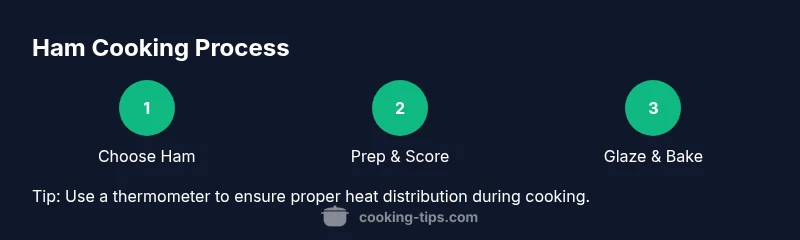
Your prep starts with selecting a ham that fits your meal plan and budget. Check the label for whether it’s bone-in, boneless, fully cooked, or raw. If you’re unsure, Cooking Tips recommends planning for about 1/2 to 1 inch of shrinkage during cooking and factoring that into your glaze amount. Rinse isn’t always necessary for ham, but patting it dry helps glaze adherence. Score the fat with shallow diagonal cuts to allow heat to penetrate and make rendering easier. The phrase what cook ham in becomes practical here: your scoring pattern often guides glaze absorption, so plan your glaze strategy accordingly. Finally, bring the meat to near room temperature for more even cooking, which helps avoid hot centers and cold edges.
Temperature, time, and doneness guidelines
Heat in a way that ensures the center reaches a safe and pleasant temperature, while the outer layer browns nicely. If you’re pursuing what cook ham in, remember that time varies by ham size and whether it is fully cooked or raw. Use a meat thermometer to check that the center is heated through and the glaze is set. Rather than relying on time alone, test for warmth by inserting the thermometer into the thickest part of the ham. Let the ham rest briefly after removing it from heat; carryover heat will finish the process and make carving easier. A steady approach yields slices that stay juicy and flavorful, not dry or tough.
Glazing and flavor ideas for crowd-pleasing results
Glazes elevate ham and give you room to tailor flavor. If you’re wondering what cook ham in terms of glaze, honey-mustard, brown sugar with balsamic, or orange-ginger glazes are reliable, delicious options. Apply glaze partway through cooking to build a glossy coating and layer flavors. For a deeper finish, brush on a second coat during the last 15 minutes of heat. Remember that glaze ingredients can burn if exposed to high heat for too long, so balance timing with oven temperature. When used thoughtfully, glaze creates a caramelized crust that seals in moisture and gives you that eye-catching, savory-sweet contrast.
Tools, equipment, and pantry staples you’ll want handy
Before you begin, assemble a roasting pan with a rack, a sharp knife for scoring, a pastry brush for glazing, and a reliable meat thermometer. Having aluminum foil on hand helps protect the ham from over-browning during the long bake. Keep a basting brush, kitchen tongs, and a carving knife within reach to simplify the process and ensure clean slices. Stock your pantry with glaze ingredients (sugar, mustard, honey, citrus) and pantry-friendly seasonings (salt, pepper, garlic powder) to customize your flavor. The right tools minimize guesswork and support consistent results when you’re cooking ham in any method.
Common mistakes and how to avoid them when cooking ham
Overcooking is the most common pitfall, leading to dry slices. Under-seasoning can leave the ham bland, especially if it’s skin-on or has a delicate glaze. When you’re uncertain about what cook ham in, avoid rushing the process: give heat time for even distribution and check doneness with a thermometer rather than relying on time alone. Not resting the meat after cooking makes slices harsh and less juicy. Finally, skimping on glaze or mis-timing its application can result in a pale crust; plan glaze layers and finish with a brief high-heat pass to achieve a glossy, flavorful finish.
Quick comparison: oven vs stovetop vs slow cooker for ham
Oven roasting provides even heating and a crisp crust, ideal for larger cuts and glazed finishes. Stovetop reheating is quick and convenient for small portions but requires careful attention to prevent scorching. Slow cookers excel in moisture retention and hands-off cooking, best for dense cuts or when you want to shape a simple, no-fuss meal. When considering what cook ham in, think about your time, equipment, and the desired finish. Each method has merits, so choosing the right one depends on your priorities—speed, texture, and flavor.
Putting it all together: a sample plan for a 3-pound ham
Plan a practical timeline that aligns with your meal schedule. Start with prepping the ham, scoring fat, and prepping glaze, then preheat your chosen cooking vessel. Apply glaze as directed, monitor doneness with a thermometer, and rest before slicing. If you’re unsure what to cook ham in for a glaze-stage finish, finish with a final glaze layer and a brief high-heat pass for gloss. This approach yields consistent results and makes it easier to adapt the plan for different ham sizes and flavors.
Tools & Materials
- Meat thermometer(Probe into thickest part; ensure accuracy with a submerged thermometer for even heating.)
- Roasting pan with rack(Allows fat to drain and heat to circulate for even cooking.)
- Aluminum foil(Cover during long roasting to prevent over-browning; remove for glaze finish.)
- Basting brush(For applying glaze evenly; silicone brushes are easy to clean.)
- Chef’s knife(For scoring fat and carving after resting.)
- Small mixing bowl(Helpful for whisking glaze components together.)
- Oven mitts(Heat protection for handling hot pans and lids.)
- Glaze ingredients(Honey, mustard, brown sugar, citrus, or your preferred glaze mix.)
Steps
Estimated time: 1 hour 45 minutes
- 1
Gather and prep
Collect ingredients, preheat the oven or set up your chosen cooking method, and pat the ham dry. If using glaze, whisk the glaze components in a small bowl. This initial step sets you up for even cooking and prime glaze adherence.
Tip: Preheating early ensures even heat distribution from the start. - 2
Score fat in a diagonal pattern
Lightly score the ham’s fat cap in a diamond pattern to help render fat and absorb glaze. Don’t cut into the meat; the grooves guide heat and flavor toward the interior.
Tip: Keep cuts shallow to avoid cutting too deep into the meat. - 3
Place ham on rack in pan
Set the ham on a rack inside the roasting pan to promote air circulation and even browning. If using a slow cooker, place the ham directly in the liner with a splash of liquid to maintain moisture.
Tip: A rack prevents the meat from sitting in its own drippings, which can hinder browning. - 4
Apply initial glaze
Brush a light coat of glaze over the ham’s surface, focusing on the scored fat for maximum flavor uptake. This first layer starts the caramelization process without burning.
Tip: Apply glaze after the first 15–20 minutes of cooking when the fat has begun to render. - 5
Bake and baste
Cook according to method, basting with glaze every 20–30 minutes to build glaze layers. Use a thermometer to gauge doneness and monitor the glaze to prevent scorching.
Tip: Avoid brushing glaze on dry, over-browned surfaces—it can burn quickly. - 6
Rest and slice
Remove from heat and let the ham rest for 10–15 minutes before slicing. Resting allows juices to redistribute for juicier slices and easier carving.
Tip: Resting is just as important as cooking; skip it and your slices may be dry. - 7
Final glaze layer and finish
Brush on a final glaze, then finish under high heat or briefly under the broiler to set the glaze into a glossy crust. Watch closely to prevent burning.
Tip: A quick broil can dramatically improve appearance and flavor if done carefully. - 8
Slice and serve
Carve across the grain for tender slices. Arrange on a warmed platter and offer extra glaze on the side. This presentation makes the dish look as good as it tastes.
Tip: Warmed serving utensils help maintain temperature and ease slicing.
Quick Answers
Should I bake a fully cooked ham or raw ham?
Fully cooked hams only need reheating and optional glazing, while raw hams require longer cooking to reach safe doneness. Always follow package directions and use a thermometer to verify warmth.
Fully cooked hams just need reheating; raw hams need cooking from raw. Use a thermometer to confirm heat all the way through.
What glaze works best for ham?
Popular glaze options include honey-m mustard, brown sugar with citrus, and orange-ginger blends. Choose one that complements your meal and avoid glazing too early to prevent burning.
Honey mustard glaze is a classic, but orange-ginger also tastes great. Always time the glaze to avoid burning.
How long does it take to cook ham in the oven?
Time depends on ham size and type. Rely on doneness rather than exact minutes; use a thermometer to confirm the center is heated through.
Cooking time varies by size. Use a thermometer to verify it's heated through, not just the clock.
Can I cook ham on the stove?
Yes, reheating or finishing in a skillet is possible, but it requires careful heat control and more frequent monitoring to avoid drying out the meat.
You can reheat ham on the stove, but keep an eye on it to prevent drying.
How should I store leftover ham?
Store cooled leftovers in airtight containers or wrap tightly. Consume within a few days and reheat thoroughly before serving again.
Cool and refrigerate leftovers promptly; eat within a few days and reheat until hot.
Can I glaze ham halfway through cooking?
Yes, glaze halfway through to build flavor and color, then glaze again toward the end for a glossy finish. Avoid mid-cook glaze if it would burn at your oven temperature.
Glaze halfway through, then again near the end for shine and flavor.
Watch Video
Top Takeaways
- Start with proper prep and scoring for even penetration.
- Choose oven, stovetop, or slow cooker based on ham type and glaze goals.
- Use a thermometer to ensure warmth and prevent dryness.
- Rest before slicing to maximize juiciness.