How to Keep a Cooked Ham Juicy: Prevent Drying Out
Learn proven, practical methods to reheat and serve cooked ham without drying it out. This guide covers low-heat reheating, moisture retention, glaze techniques, resting, and storage for reliably juicy results.


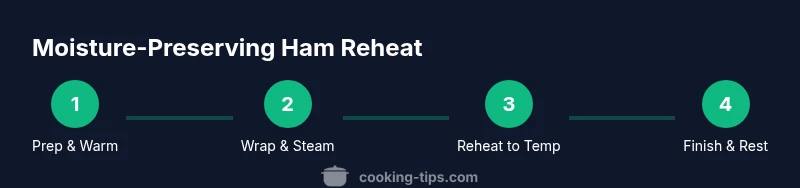
To prevent a cooked ham from drying out, reheat gently using low heat, wrap the ham to trap moisture, and finish with a glaze or pan sauce for tenderness. Key steps include reheating to an internal temperature of 140-145°F (60-63°C) in the oven, resting 10-15 minutes before carving, and avoiding overcooking. Also gently add moisture with broth or water as needed.
Why ham dries out and how to prevent it
According to Cooking Tips, leftover cooked ham can dry out quickly if reheated too aggressively or sliced too soon. Understanding why ham dries out helps you prevent it: moisture loss occurs when heat is applied unevenly or for too long. How to keep a cooked ham from drying out is achieved by reheat slowly, sealing in moisture, and resting before slicing. In practice, this means embracing a gentle reheating strategy, using moisture sources, and choosing the right pan method. The fat and connective tissue in ham naturally hold moisture when heated evenly, but high heat or direct contact with hot surfaces can force juices out. Plan for a gradual warm-up, and avoid serving ham straight from the refrigerator to the oven. By keeping heat mild and covered, you reduce the likelihood of dry edges and a dry center becoming the dominant texture.
Beyond temperature, the method you choose matters. Covering the ham with foil traps steam, while adding a small amount of liquid creates a micro bath that keeps the surface glossy and tender. If you opt for a glaze, apply it during the final minutes to prevent sugars from burning and drying out the surface.
Reheating methods that preserve moisture
The most reliable approach for how to keep a cooked ham from drying out is to reheat slowly with moisture retention. An oven set to 275-300°F (135-150°C) is ideal for most whole or half hams. Place the ham in a shallow roasting pan with about 1 cup of stock, water, or apple juice to contribute moisture, and cover tightly with heavy-duty foil. If the ham is bone-in, leave the bone exposed side up to prevent scorching, and consider adding a rack to keep it out of any pooled liquid. Check the internal temperature with an instant-read thermometer as you reheat; aim for 140-145°F (60-63°C), then rest before carving. For smaller portions or slices, you can reheat in a covered dish with a small amount of liquid, which reduces surface dryness and yields a more even finish. If you prefer a faster option, a steam-enabled oven or a covered skillet on low heat can achieve similar moisture retention, but you should still monitor temperature closely to avoid overcooking. In all cases, the key is to minimize exposure to direct heat and preserve surface moisture with a lid or foil barrier.
Additionally, consider alternative reheating environments like a water bath or bain-marie for ultra-even warming. Submerging a sealed, oven-safe container in gently simmering water can keep the ham uniformly warm while preventing dry edges. This technique is especially useful for larger hams or when serving a crowd, ensuring every slice remains moist and flavorful. If you’re using a glaze, reserve it for the final minutes of reheating. Sugar-based glazes can burn if applied too early, which can dry and darken the surface. A light layer applied at the end creates a shiny, flavorful crust without compromising moisture.
Glazing, basting, and moisture strategies
Glazes and moisture baste are powerful tools for maintaining juiciness while adding flavor. A glaze should be warm, not scorching, and applied in the final 10-15 minutes of reheating to prevent burning. For moisture, brush or spoon a thin sweep of pan juices, stock, or a butter-and-herb mixture over the ham during the last half of warming. A simple baste routine might include brushing with warmed stock and a splash of fruit juice to create a subtle, glossy surface that seals in moisture. If you plan to glaze, prep the glaze ahead of time so you can apply quickly and evenly.
You can also enhance juiciness by using a foil tent during the early reheat phase, followed by uncovering to allow surface moisture to evaporate and form a desired glaze. For extra richness, finish with a light butter or olive oil drizzle post-rest. Remember that salt can draw moisture out if used in excess; taste as you go and adjust the glaze rather than oversalting from the outset. Finally, consider adding aromatics like bay leaves or orange zest to the liquid to subtly infuse moisture without overpowering the ham’s flavor.
Storage and resting: locking in juiciness
Moisture retention begins during storage and extends through resting. After reheating, tent the ham loosely with foil and let it rest 10-15 minutes. Resting allows juices to redistribute from the center to the edges, which helps the slices stay moist when cut. If you are storing leftovers, wrap slices tightly in foil or plastic wrap, then place in an airtight container. Refrigerate promptly, and use within 3-4 days for best texture. If you plan to freeze leftovers, wrap tightly to minimize freezer burn, and thaw slowly in the fridge before reheating to preserve moisture. Servings stored properly will reheat more evenly and avoid a dry final bite. When reheating refrigerated ham, start with slightly less time than you think is needed and check the temp frequently to avoid overcooking.
Troubleshooting common issues
If the ham still seems dry after following a gentle reheating method, consider adding a little moisture via a pan sauce or au jus. You can also wrap the ham in foil with a splash of stock and reheat briefly to reintroduce moisture. For edges that appear dry, separate slices and reheat them individually with a bit of glaze or butter to restore juiciness. If you notice an uneven center, use a convection setting sparingly or create a steam pocket by adding water to the pan to generate gentle humidity. Finally, if a ham is very salty, rinse gently under cold water and pat dry before reheating to reduce surface salt concentration, then proceed with moisture-focused reheating.
Quick-reference reheating chart
- Whole ham (10-12 lb): Preheat to 275°F (135°C), 60-90 minutes until 140-145°F, rest 10-15 minutes, glaze if desired.
- Half ham: Preheat to 275-300°F (135-150°C), 45-60 minutes until 140-145°F, rest 10-15 minutes.
- Sliced leftovers: Reheat in a covered dish with 1/4 cup stock per cup of ham, 15-20 minutes until steaming hot, rest 5-10 minutes.
- Glazing: Apply glaze in final 10-15 minutes of reheating to avoid burning and dryness.
- Steam option: For very moist results, use a steam oven or place a small amount of water in the pan and cover tightly.
Authority sources
For guidance on safe reheating and moisture management, consult reputable sources such as the USDA and FDA safety guidelines. These organizations emphasize temperature control, avoiding cross-contamination, and proper storage to maintain quality and safety.
Sources you can verify include:
- https://www.usda.gov/
- https://www.fda.gov/
- https://www.cdc.gov/foodsafety/index.html
Tools & Materials
- Meat thermometer (instant-read)(Must read 0-220°F; ensure calibrated before use)
- Heavy-duty aluminum foil(Heavy weight for tight wrapping)
- Roasting pan with rack(Racks keep ham elevated from liquid)
- Oven-safe dish or pan with lid(Lid helps trap steam for moisture)
- Low-sodium stock or broth(Adds moisture without overpowering salt)
- Basting brush or spoon(For applying glaze or jus)
- Glaze of choice (optional)(Sugar-based glazes should be added last)
- Carving knife and cutting board(For clean slices after resting)
Steps
Estimated time: 1 hour 15 minutes
- 1
Gather and prep tools
Collect thermometer, foil, pan, stock, glaze, and carving gear. Clean surfaces and have a clear workspace. This reduces delays and helps you maintain moisture control during reheating.
Tip: Keep the thermometer at hand for quick checks. - 2
Preheat and prepare ham
Preheat the oven to 275-300°F (135-150°C). Remove ham from packaging and pat dry lightly. Place on a rack in the roasting pan to promote even heat and prevent soggy surfaces.
Tip: Even heat prevents dry edges and hot centers. - 3
Add moisture and wrap
Pour a small amount of stock around the ham and loosely tent with foil. The goal is to create a gentle steam environment inside the wrap to keep surface moisture.
Tip: Tight but not airtight foil helps trap steam without steaming the exterior away. - 4
Reheat to temperature
Heat until the internal temperature reaches 140-145°F (60-63°C). Check early on larger hams to avoid overcooking. If the ham begins to exceed 145°F, remove from heat and rest.
Tip: Check temperature in the thickest part of the ham for accuracy. - 5
Finish with glaze (optional)
If using glaze, remove foil for last 10-15 minutes and brush evenly. This adds flavor and shine without drying the surface. Avoid sugary glazes too early to prevent burning.
Tip: Apply glaze in thin, even layers. - 6
Rest and carve
Let the ham rest, tented, for 10-15 minutes before carving. Resting redistributes juices and maintains moisture in the slices.
Tip: Resting time matters more than you might think.
Quick Answers
What internal temperature should I aim for when reheating ham?
Aim for roughly 140-145°F (60-63°C) when reheating cooked ham, then rest before slicing. This range keeps it warm and juicy without overcooking.
Target about one hundred forty to one hundred forty-five degrees Fahrenheit and rest before slicing.
Is it better to reheat ham covered or uncovered?
Covering the ham traps moisture and produces even heating. Remove the foil near the end to add glaze if desired.
Cover it to keep moisture, then uncover to glaze at the end.
Can I glaze ham after reheating, or should I glaze during heating?
Glaze is best applied in the final 10-15 minutes of reheating to prevent burning and maintain surface moisture.
Add glaze in the last 10-15 minutes.
What if my ham seems dry after reheating?
Brush on warm pan juices or a light stock-based sauce and rewarm briefly to reintroduce moisture. Resting also helps.
Moisture from pan juices can revive the texture; rewarm slightly and rest.
How long can cooked ham be safely stored in the fridge?
Cooked ham can be stored safely for 3-4 days in the fridge when wrapped tightly and kept cold.
Keep it in the fridge for up to four days.
Watch Video
Top Takeaways
- Reheat gently with moisture to preserve juiciness.
- Wrap and rest to redistribute juices before slicing.
- Finish with glaze in the final minutes for flavor without drying.