Rump Steak: How to Cook for Juicy Perfection
Master rump steak with a reliable sear, precise oven finish, and smart resting. This practical guide covers selection, timing, doneness guidance, and tasty serving ideas for home cooks.


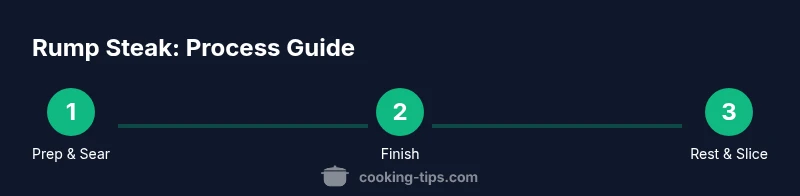
Goal: Learn to cook rump steak to your preferred doneness with a simple sear-and-rest method. You’ll select a well-marbled cut, pat dry, season generously, sear in a hot pan, then finish in the oven or on lower heat, and rest 5–10 minutes before slicing. This approach works well for most thicknesses, with a quick pan-sear creating a crust and precise rest preserving juiciness.
Understanding rump steak: cut, flavor, and cooking philosophy
According to Cooking Tips, rump steak comes from the rear of the animal and is prized for its beefy flavor and relatively lean texture. It sits between the short loin and the hindquarter, offering a value-friendly alternative to pricier cuts. The secret to cooking rump steak well is to preserve its natural tenderness while building a savory crust. Because rump is a larger, muscular cut, it benefits from a high-heat sear and a brief rest to reabsorb juices. The objective is even doneness from edge to center, without overcooking. Choose a steak with visible marbling and a sturdy, firm feel. Let the meat rest at room temperature for 20-40 minutes before cooking, pat it dry to remove surface moisture, and season generously with kosher salt and pepper. A proper rest after searing is as important as the sear itself, helping you keep juices inside for slicing. Cooking Tips analysis shows that home cooks achieve the best crust when the pan is hot and the steak is dry before hitting the heat.
Choosing and preparing rump steak
Start by selecting rump steaks that are 1 to 1.5 inches thick, with bright red color and some visible marbling. Look for a steak that feels cool to the touch and shows slightly damp surface, not tacky. If you have a choice between cuts from the inner or outer portion, the inner portion tends to be more tender. Before cooking, pat dry thoroughly; moisture on the surface steam-brews the crust. Season generously with kosher salt and pepper; you can add a hint of garlic powder if you like, but simplicity often yields better crust. For extra juiciness, consider a short dry-brine: salt the steak 15-30 minutes (or up to 2 hours) and pat dry again. Bring the steak to room temperature to reduce uneven cooking. If you’re using a grill, oil the grates lightly to prevent sticking. If using a pan, preheat the skillet until the surface shimmers.
Searing rump steak: pan technique
Preheat a heavy skillet (cast iron preferred) over medium-high heat until just smoking. Add a small amount of high-smoke-point oil (like canola or avocado) to coat the bottom. Gently lay the rump steak in the pan, away from you, and avoid moving it for 2-3 minutes to form a crust. Flip and sear the other side for another 2-3 minutes. If your steak is thicker than 1.25 inches, you may need to finish in the oven at 400F for 4-6 minutes, testing with an instant-read thermometer. Use tongs to lift and tilt the steak to baste with its own juices if desired. Don’t crowd the pan; work one steak at a time for best crust. Rest the surface briefly, then remove to a rack or plate, letting it rest 5-10 minutes to reabsorb juices.
Finishing methods: oven, grill, or skillet finish
Method options: Quick skillet finish: after searing, reduce heat and cook 1-2 minutes per side to desired doneness; tip thermometer to target 120-125F for rare, 130-135F for medium-rare, 140F for medium. Oven finish: after searing, transfer to a preheated 400F oven; check temperature after 4-6 minutes. Grill finish: move steak to cooler part of grill for indirect heat to finish. For thicker rump, consider a two-zone setup. For best results, remove at target temp and rest 5-10 minutes, as carryover cooking will raise the temperature a few degrees.
Resting, slicing, and serving rump steak
Resting is crucial. After cooking, place steak on a rack or plate and let rest 5-10 minutes. During rest, the juices redistribute, improving juiciness. Slice against the grain in 1/4 inch to 1/2 inch thick slices, depending on thickness. Serve with simple sides: roasted potatoes, sautéed greens, or a bright chimichurri or gremolata. If you want more flavor, finish with a quick pan sauce using deglazing liquid and a knob of butter. A light sprinkle of flaky salt just before serving enhances the crust and balance.
Flavor boosters, sauces, and sides
Simple rub: 1 teaspoon kosher salt, 1/2 teaspoon black pepper, 1/4 teaspoon garlic powder, optional 1/4 teaspoon smoked paprika. Rub evenly, then proceed with sear. Sauces: chimichurri, red wine reduction, or herby butter. Sides: roasted mushrooms, mashed potatoes, or a crisp green salad. Keep the seasoning straightforward to let the beef flavor shine, and choose a sauce or herb that complements rather than overwhelms the meat.
Common mistakes and fixes
Common mistakes include not patting the surface dry, overcrowding the pan, cooking at too low heat, neglecting resting time, cutting immediately after cooking, and not monitoring internal temperature. Fixes are simple: pat dry thoroughly, use a hot pan, employ a thermometer, rest 5-10 minutes, and slice against the grain. If your crust is pale, try a longer sear or a hotter pan; if the center is undercooked, finish with a brief oven step or a touch more indirect heat. Remember: rump steak benefits from patience and precision, not aggressive flipping or guessing doneness. The Cooking Tips team recommends holding out for a proper crust and a controlled finish for best results.
Tools & Materials
- Cast-iron skillet(Pre-seasoned, 10+ inches recommended)
- Tongs(Long-handled and sturdy for turning without piercing)
- Instant-read thermometer(For accurate doneness checks)
- Chef's knife(Sharp for clean slicing)
- Cutting board(Stable surface for slicing after rest)
- Kosher salt(Crystal salt offers even seasoning)
- Freshly ground pepper(Coarse grind recommended)
- Roasting rack (optional)(Useful for resting to air-circulate juices)
Steps
Estimated time: 30-40 minutes
- 1
Prepare the steak
Pat the rump steak dry with paper towels, then sprinkle evenly with kosher salt and black pepper. If time allows, dry-brine for 15-30 minutes to boost crust formation. Bring the meat to room temperature for 20-40 minutes to ensure even cooking.
Tip: Dry surface equals better browning; don’t rush the room-temperature step. - 2
Preheat the pan
Place a heavy skillet over high heat until lightly smoking. Add a thin layer of high-smoke-point oil and swirl to coat. The oil should shimmer but not smoke excessively.
Tip: A hot pan creates a crustier crust with less sticking. - 3
Sear the first side
Place the steak in the pan away from you and resist the urge to move it for 2-3 minutes. A good crust will form before you flip.
Tip: If sticking occurs, give it another 30 seconds and try again rather than forcing a flip early. - 4
Flip and sear the other side
Turn the steak and sear 2-3 minutes more. If the steak is thicker, consider finishing in the oven after searing.
Tip: Baste with juices or a little butter for extra flavor if desired. - 5
Finish in oven (if needed)
For thicker rump, transfer to a preheated 400F oven and cook 4-6 minutes, checking with an instant-read thermometer for your target doneness.
Tip: Target 120-125F for rare, 130-135F for medium-rare, ~140F for medium; remember carryover cooking after removal. - 6
Rest and slice
Remove steak to a rack or plate and rest 5-10 minutes. Slice thinly against the grain to maximize tenderness.
Tip: Resting is non-negotiable; it seals in juices for a juicier bite.
Quick Answers
What thickness is ideal for rump steak?
Aim for 1 to 1.5 inches thick to balance crust formation with even cooking. Thicker cuts may benefit from finishing in the oven to reach the desired doneness without burning the exterior.
For rump steak, a thickness of about 1 to 1.5 inches works best. Finish thicker cuts in the oven if needed, and rest before slicing.
Grill or pan — which is better for rump steak?
Both work well. A hot pan gives a reliable crust, while grilling adds a smoky flavor. Choose based on equipment and preference, then use a cross-hatch sear if you like.
Rump steak cooks well on both grill and pan. Use whichever you have, but ensure you get a good crust first.
Should I salt rump steak before cooking?
Yes. Salt helps flavor and crust formation. For best crust, salt 15-30 minutes before cooking or dry-brine up to 2 hours, then pat dry before searing.
Salting before cooking improves flavor and crust. A short dry-brine works great.
Can rump steak be cooked from frozen?
Cooking from frozen is not ideal because the meat will cook unevenly. If you must, plan for longer cooking time and verify doneness with a thermometer.
It's best to thaw rump steak first for even cooking and flavor.
What is the best doneness for rump steak?
Medium-rare to medium is ideal for rump steak to keep it tender while preserving beefy flavor. Use a thermometer for accuracy and rest before slicing.
Most people prefer rump steak medium-rare to medium for tenderness and flavor.
How long should rump steak rest after cooking?
Rest for 5-10 minutes after cooking. This allows juices to redistribute and results in a juicier slice. Do not skip this step.
Let it rest 5 to 10 minutes for better juiciness.
Watch Video
Top Takeaways
- Choose rump steak with visible marbling for flavor.
- Sear hot, then finish with a controlled method (oven/grill) for doneness precision.
- Rest 5-10 minutes and slice against the grain.
- Keep seasoning simple to let beef flavor shine.