How to Remove Cooking Oil Stains from Clothes
Learn proven, practical steps to lift cooking oil stains from fabric. From pretreatment to washing and drying, follow this expert-backed method to get spotless clothes without damage.


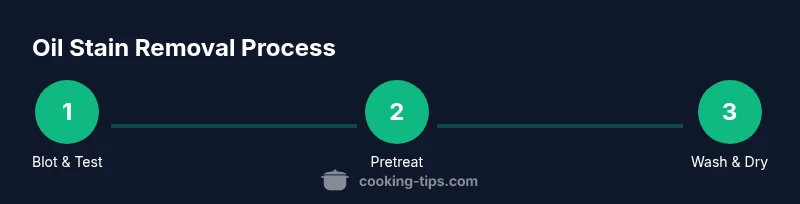
You can remove cooking oil stains from clothes by acting quickly, pretreating the stain with detergent or a stain remover, and washing in the hottest water the fabric allows. Blot the spill first, test a hidden area, and avoid heat until the stain is gone. Repeat if needed before drying.
The Challenge of Oil Stains on Fabrics
Oil-based stains from cooking are notoriously stubborn because fats bond with fabric fibers and can wick deeper if heat is applied too soon. Unlike water-based spills, grease soaks into the weave and leaves behind a translucent or dark mark that can look permanent if you rush to dry or heat-set it. In everyday kitchens, this means a spill can turn from a simple mishap to a wardrobe emergency very quickly. The Cooking Tips team has found that the key to turning this around is a patient, methodical approach that respects fabric care labels and uses garage-workshop-level grease-cutting techniques in a safe, fabric-friendly way. By understanding how oil behaves on natural fibers like cotton and synthetics like polyester, you can tailor pretreatment, washing, and drying to the fabric type for best results. Remember: the sooner you act, the better your odds of full removal.
In addition to the basic mechanics, you’ll hear about common mistakes, such as rubbing stains, using hot tools too soon, or choosing harsh solvents that can weaken fibers. This guide blends practical steps with fabric-conscious advice, so you can recover clothes without risking damage. You’ll also learn how to test products safely and what to do when stains stubbornly persist. With patience and the right technique, most cooking oil stains lift cleanly.
Immediate Steps When a Spill Happens
When a spill occurs, your first moves set the stage for success. Start by placing the garment on a clean, flat surface and blotting the area with a clean cloth or paper towel to lift excess oil. Avoid rubbing, which can grind oil deeper into fibers and spread the stain. If possible, slide a clean cloth under the fabric to prevent transfer to other areas. Acting within minutes dramatically improves the chance of complete removal. After blotting, check the care label to confirm water temperature and whether solvents or pretreatments are recommended. If you’re dealing with delicate fabrics, testing any cleanser on a hidden seam or inconspicuous area is essential. Following this early step with a quick patch test and a gentle pretreatment primes the fabric for a successful wash. The aim is to reduce oil concentration before it soaks further into the fiber structure.
Additionally, keep a record of the fabric type and stain size as you progress. This habit helps you adjust the method for future accidents and ensures you don’t over-treat or under-treat similar items. In practice, this means noting whether the stain sat for minutes or hours and whether it appeared on light or dark fabric. Such observations guide the rest of the process and align with best-practice care from Cooking Tips.
Pre-Treating: Detergents, Soaps, and Enzyme Cleaners
Pretreatment is the most critical phase of grease stain removal. Apply a small amount of liquid dish soap or a dedicated stain remover directly to the stained area and gently work it in with your fingertips or a soft-bristled brush. Allow the product to sit for 5–10 minutes so the surfactants can break the oil bonds with the fibers. For fabrics with stubborn marks, enzymatic cleaners can help break down organic residues that often accompany cooking grease. If you choose an enzymatic product, follow the label directions and avoid applying high heat during pre-treatment, which can set the stain. In many cases, a combination approach yields the best results: a fast soak in detergent-doped water followed by a targeted pretreatment with a stain remover. As always, test on a hidden area first to avoid color changes on delicate fabrics. This stage paves the way for a cleaner wash and a lower risk of residual grease.
When choosing a detergent, look for grease-cutting formulas and enzymes suitable for the fabric type. For example, enzyme-based cleaners can help with protein-containing residues from sauces, while strong grease-fighters are effective on pure oil stains. The key is to keep the pre-treatment brief and targeted, avoiding large patches that may saturate the surrounding fabric. If you don’t have a dedicated stain remover, a dab of liquid laundry detergent on the stain is a reliable substitute. Once pre-treated, you’re ready for the next phase: soaking and washing.
The Role of Soaking and Time
Soaking is a powerful tool for lifting oil because it gives surfactants and solvents time to penetrate. Prepare a basin with cool to warm water (not hot unless the care label allows) and add a small amount of detergent. Submerge the stained area fully and let it soak for 15–30 minutes. For very stubborn stains, you can extend soaking to 1–2 hours, but keep the garment out of direct heat and in a clean tub to prevent dye transfer. This step works best on cottons and durable synthetics; delicate fabrics may require shorter soak times or no soak at all. Regularly check the garment to monitor progress and avoid prolonged exposure that could damage fibers. After soaking, remove the garment and gently squeeze out excess water, preparing it for washing. The soak phase is a quiet, patient moment that often makes the difference between a faint spot and a clean shirt.
Remember: soaking is not a substitute for proper washing. It’s an enabler that reduces stain strength, allowing subsequent washing to remove more oil with less effort. If the stain remains after washing, you can re-soak and rewash with fresh detergent and mild agitation.
Solvent Options: When to Use Alcohol, Dish Soap, or Degreasers
For persistent stains, more targeted solvent applications can help. Isopropyl alcohol or a dedicated textile solvent can break down oil residues when used sparingly on colorfast fabrics. Lightly dab the solvent onto the stain using a clean cloth and avoid saturating the garment. After solvent treatment, wash as usual with a grease-cutting detergent. Dish soap can also be effective when applied neat to a fresh stain; work it in gently and rinse with warm water before washing. In all cases, avoid chlorine bleach on oil stains, as it can react with dyes and leave a pale outline around the stain. For fabrics that tolerate it, a small amount of baking soda paste can help lift oil by providing a mild abrasive and neutralizing acids in sauces or marinades. The choice of solvent should be guided by fabric care labels and colorfastness. Always perform a patch test first and ventilate the area when using solvents.
If you’re uncertain about solvent safety on a particular fabric, opt for detergents and stain removers designed for the fiber type. This reduces the risk of color loss, fiber damage, or texture change while maintaining staining power.
Temperature and Washing: Getting the Right Environment
Water temperature and wash cycle are decisive in oil stain removal. Generally, warm to hot water improves oil solubility and helps lift grease when the fabric tolerates it. Check the garment’s care instructions before choosing a temperature. Durable cottons and polyesters often tolerate warmer washes, while silks, wools, and wool blends require cooler settings to prevent shrinkage or damage. The detergent choice matters as well: use a heavy-duty or grease-fighting formula, and consider an enzyme-based booster for stubborn residues. For very large or set-in stains, a longer cycle or extra rinse can help remove residual oil and prevent re-deposition of grease on the fabric. Finally, avoid using hot air or dryer heat until you are confident the stain is fully gone, since heat can set the stain permanently.
In practice, a standard sequence is a warm wash with an appropriate detergent, followed by a cool rinse. If the stain persists, repeat the pretreatment and washing steps rather than resorting to heat. This approach minimizes fabric wear while maximizing stain removal success. Always towel-dry after washing to remove standing moisture and avoid lengthy damp storage that could lead to odor or mildew.
The overall goal is a balance: enough heat to dissolve oil, but not so much that you risk fiber damage or color loss. When in doubt, err on the side of gentler temperatures and longer cycles. It’s a safer approach for most household fabrics.
Handling Delicate Fabrics: Silk, Wool, Rayon, and Synthetics
Delicate fabrics require special care because these fibers are more susceptible to damage from aggressive solvents or heat. Silk and wool, for example, can be adversely affected by strong alkalis and hot water. For silks and wools, avoid high heat and use milder detergents, small amounts of stain remover designed for delicate fabrics, and shorter wash cycles on cold or lukewarm water. Rayon and other semi-synthetics may tolerate warmer temperatures, but you should still perform a patch test before applying a stain remover. In most cases, spot-treat only, then wash gently in cold water. For synthetic fabrics like polyester, acrylic, and blends, you can typically use warmer water and a stronger detergent, but always follow the label. The aim is to remove oil without altering the fiber’s integrity or sheen. If you’re unsure, air-dry the item after pretreatment and washing to monitor whether any damage appears before finalization.
When dealing with delicate fabrics, consider professional cleaning for persistent stains. The risk of fiber damage is higher, and a professional cleaner can often apply safer, fabric-specific methods. Following these precautions ensures you maintain the garment’s texture, drape, and color while still achieving stain removal success.
Stubborn Stains: Re-treat, Re-wash, and Verification
Some oil stains resist initial attempts and require a second round of pretreatment and washing. If the stain remains after the first wash, repeat the pretreatment with fresh product and rewash. In particular, reapply stain remover to the exact stain area and avoid spreading the oil by rubbing. After any wash, inspect the fabric in good light before drying. If the stain persists, consider alternate methods such as a solvent-based approach on colorfast fabrics, or a combination of detergent plus soaking with a longer cycle. The key is to stay patient and methodical rather than forcing the stain out with aggressive scrubbing. Keep the fabric away from heat until you are confident the stain is fully removed, since heat can set the stain permanently.
Documentation can help here too: take a photo before and after each attempt to track progress and avoid repeating ineffective steps. When the stain finally yields, proceed to drying with care to prevent reappearance. Persisting stains can sometimes be caused by residues from sauces or marinades that require a different pretreatment approach, such as adding a booster or adjusting the soak duration for better penetration.
Drying Do's and Don'ts: Heat Is the Enemy Until the Stain Is Gone
Heat is the archival enemy of many stains, particularly oil-based ones. Never dry an oil-stained garment in a dryer until you are completely sure the stain has been removed. Instead, air dry or lay the garment flat on a clean surface away from sunlight. This approach allows you to observe any residual staining and re-treat if needed without risking heat-set marks. If you do use a dryer, select the lowest heat setting and remove the item immediately if the stain becomes more visible, then re-treat and rewash. You want to ensure there is no oil residue before the garment encounters heat, as heat can lock in the stain and make it much harder to remove later.
During drying, avoid wringing the fabric, which can distort shape and fibers. Instead, gently press with a clean towel to remove moisture. For items that can air dry quickly, this method preserves fibers and reduces energy use. If you must speed up the process, a cool-air setting in a modern dryer is preferable to high heat. Checking the garment after every stage helps you decide whether more pretreatment or washing is required before final drying.
Prevention: Smart Habits to Keep Clothes Oil-Free
Once you master stain removal, prevention is the next frontier. Treat any new oil spills promptly by blotting and pretreating before washing. When cooking, consider wearing an apron or protective layer to minimize staining of clothing. Clean up spills immediately to prevent grease build-up on fabric fibers. After cooking, inspect clothes and act quickly if you see any grease highlights. Regularly using a grease-cutting detergent or a booster with each wash can help keep fabrics clean in the long run, especially for households with frequent oil-based cooking. For whites, set-in stains are less likely if you maintain a steady cycle of pretreatment and washing with color-safe detergents. Finally, store clothes in a clean, dry area away from heat and humidity to reduce odor and mildew risk, ensuring your wardrobe remains fresh and stain-free for longer.
Final Thoughts: A Systematic, Fabric-Safe Approach
Oil stains pose a common challenge, but with a systematic approach you can reclaim most garments. Start with quick blotting and fabric care-friendly pretreatment, then move through soaking, washing, and careful drying. Fabric type guides your method, and patch testing protects delicate materials. Above all, patience and precision pay off. By following these steps and staying mindful of fabric labels, you’ll reduce waste, extend the life of your clothes, and feel confident in your stain-removal toolkit. The Cooking Tips team believes that a thoughtful, repeatable routine is the best defense when oil finds its way onto your wardrobe.
Tools & Materials
- Liquid dish soap(Grease-cutting formula, avoid scented or colored soap that could stain fabrics)
- Laundry detergent(Grease-fighting or enzyme-based formula is ideal)
- Stain remover (spray or stick)(Choose one safe for fabric type)
- Soft-bristled brush or clean cloth(Gentle agitation helps lift oil)
- White vinegar (optional)(For neutralizing odors and boosting pre-treat)
- Baking soda paste (optional)(Mild abrasive and deodorizing effect)
- Isopropyl alcohol or textile solvent (optional)(Use on colorfast fabrics only and in well-ventilated area)
- Clean basin or sink for soaking(Big enough to submerge the stained area)
- Towels or paper towels(Used for blotting and protecting surfaces)
Steps
Estimated time: 30-60 minutes active, plus air-dry time
- 1
Check care label
Always read the garment care label before starting. If it says dry clean only or specifies a solvent, skip home methods that could damage the fabric.
Tip: When in doubt, test a hidden area first. - 2
Blot, don’t rub
Blot the stain with a clean cloth to lift excess oil. Rubbing pushes oil deeper and can spread the stain.
Tip: Work from the outside in to contain the stain. - 3
Pre-treat the stain
Apply a small amount of dish soap or stain remover directly to the stain and let sit 5–10 minutes. Gently rub with a soft brush if the fabric allows.
Tip: Avoid saturating surrounding areas. - 4
Soak if needed
If the stain is persistent, soak in warm water with a little detergent for 15–30 minutes, then rinse.
Tip: Do not use hot water if the label warns against it. - 5
Wash as directed
Wash the garment according to the care label using the hottest water permitted and a grease-cutting detergent.
Tip: Add an extra rinse if the stain was heavy. - 6
Inspect before drying
Check the stain after washing. If any oil remains, repeat pretreatment and washing before drying.
Tip: If you see even a hint of stain, don’t dry. - 7
Dry with care
Air-dry or use the lowest heat setting if the stain is gone. Heat can set any remaining grease.
Tip: Never rely on heat to finish the job. - 8
Repeat if necessary
Some stains require multiple cycles. Repeat steps 3–7 as needed until stain is fully removed.
Tip: Document what method works best for future reference.
Quick Answers
What is the fastest way to treat a fresh oil stain?
Blot the area to remove excess oil, apply a stain remover or liquid detergent, wait 5–10 minutes, then wash according to fabric care label.
Blot the oil, apply stain remover, wait briefly, and launder as directed.
Can dish soap be effective on cooking oil stains?
Yes. A grease-cutting dish soap works well as a pretreatment when used directly on the stain before washing.
Dish soap can help lift oil when applied directly to the stain before washing.
Are bleach or baking soda safe for oil stains?
Bleach is not recommended for oil stains on colored fabrics. Baking soda can help with odor and mild lifting on some fabrics, but it is not a universal fix.
Bleach isn’t ideal for oil stains on colors, and baking soda is more of an odor control than a guaranteed fix.
Should I use heat to dry a garment with an oil stain?
No. Heat can set the stain, making it harder to remove later. Wait until you are sure the stain is gone before drying.
Avoid heat until the stain is fully removed.
How long should I soak oil-stained fabrics?
A short soak (15–30 minutes) often helps, but longer soaks are not always better for every fabric. Always follow the care label.
Soak 15–30 minutes, check progress, and adjust for fabric type.
Can these methods work on delicate fabrics like silk?
Delicate fabrics require gentler handling. Patch-test, use mild cleaners, and consider professional cleaning for stubborn stains.
Yes, but be extra careful with delicates and patch-test first.
Watch Video
Top Takeaways
- Act quickly to improve stain removal odds
- Pre-treat with detergent or stain remover and test fabric safety
- Avoid heat until the stain is fully removed
- Re-treat and re-wash for stubborn stains
- Dry only after confirming stain is gone