Can You Get Cooking Oil Out of Clothes? A Practical Guide
Learn proven methods to remove cooking oil stains from clothes with a step-by-step approach, fabric-specific tips, and smart prevention strategies for home cooks.


Understanding Oil Stains on Fabric
Oil from cooking oils behaves differently than water-based stains. Oil molecules cling to fibers, leaving a slick film that can attract dirt and set more deeply if heat is applied. This is why you should act quickly and choose an alkaline degreaser for pretreatment. According to Cooking Tips, fresh stains are much easier to remove than dried oil, especially on natural fibers like cotton or linen. For synthetic fabrics, you may have a bit more leeway, but the same principle applies: start by removing the free oil and protecting the fabric's finish. The phrase can you get cooking oil out of clothes is common when kitchens collide with laundry; the answer is yes with the right approach. The Cooking Tips team has found that starting with blotting, then using a gentle degreaser, often yields the best results. Before you begin, always check the garment's care label and test any cleaner on a hidden area to ensure colorfastness. Stains on delicate fabrics like silk or wool need special care, which we cover in later sections. Oil's tendency to resist water means you must rely on surfactants that break oil's grip on fibers. Many home fibers respond well to dish soap or laundry detergents when used correctly. This section sets the stage for choosing the right pretreatment steps based on fabric type and the age of the stain.
Immediate Actions When Oil Spills
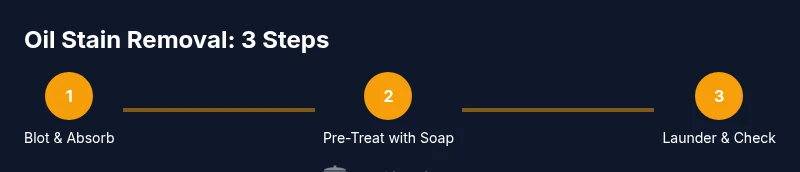
Spills happen fast in the kitchen, and fast action makes a big difference. Start by blotting the excess oil with a clean white cloth or paper towels—do not rub, which can push oil deeper into fibers. Lift solids gently, then cover the stained area with an absorbent powder (cornstarch, baking soda, or talcum). Let the powder sit for several minutes to soak up oil, then brush off gently. Rinse with cold water from the fabric's underside to push oil out of the fibers rather than deeper into them. If you can, place a protective barrier under the garment to avoid staining other fabrics. Finally, keep the garment flat and avoid heat until you verify the stain is gone. These initial steps reduce oil saturation and set the foundation for effective pretreatment.
Pre-Treatment Methods That Work Across Fabrics
Pre-treatment is your primary defense against oil stains. Apply a small amount of liquid dish soap directly to the stain and work it in with your fingertips or a soft-bristled brush. Let it sit for several minutes to loosen the oil, then blot again. For tougher stains, a enzymatic laundry detergent can be effective on cotton blends and polyester blends. Always perform a colorfast test on an inconspicuous area first. If the fabric is delicate or labeled as dry clean only, skip home remedies and seek professional cleaning. After pretreating, rinse with cold or lukewarm water to remove loosened oils before laundering. This approach minimizes fiber damage and preserves color.
Household Cleaning Agents and How to Use Them
Common household cleaners can remove oil when used correctly. Start with dish soap as a degreaser, then move to regular laundry detergent in the wash. Baking soda or cornstarch can be sprinkled on the stain to absorb residual oil before washing. White vinegar can help with odor and act as a mild solvent for some oil traces, but it should be tested on delicate fabrics first. When using any cleaner, always apply to the stain, not the whole garment, and allow it to work before washing. Rinse thoroughly to prevent residue. Remember: never mix cleaners, and avoid bleach on oil stains unless the stain is completely removed and the fabric care label approves it. These steps create a layered defense that increases the odds of complete stain removal.
Fabric-Specific Guidance: Cotton, Wool, Silk, Synthetics
Fabric type matters. Cotton and linen generally respond well to pretreatment and regular washing, but heavy oils can leave a trace. Silk and wool require gentler handling—avoid aggressive rubbing, hot water, or harsh solvents. Synthetics like polyester and nylon are more forgiving but still benefit from a pre-treat and a cool to warm wash. Always check the garment’s care label before applying cleaners, and test a hidden area first. If in doubt, choose enzymatic detergents and avoid fabric softeners on delicate fibers. Heat is the enemy of oil stains: avoid the dryer until the stain is fully removed.
When to Use Commercial Stain Removers
Commercial stain removers offer enzyme-based or solvent-based options that can boost oil stain removal, especially for set-in stains. Follow the product instructions, apply to the stain, and let it dwell for the recommended time. Use the lowest effective heat setting during laundering, and consider a second wash if the stain persists. For delicate fabrics or uncertain stains, consult professional cleaners. Commercial products complement home methods but do not replace proper pretreatment and fabric care.
The Role of Water Temperature and Laundering
Water temperature affects oil removal. Cold or warm water is generally safer for delicate fabrics and set-in oils, while cotton blends may tolerate warm water. Always follow the garment’s care label and test a hidden area first. Use an appropriate amount of detergent and, if available, a stain remover designed for oil-based stains. After washing, inspect the garment before placing it in the dryer, as heat can set remaining oil. If the stain remains, repeat pretreatment and washing instead of drying.
Prevention: Keeping Oil Stains from Happening Again
Prevention saves time and preserves fabrics. Use an apron, keep oily foods away from fabrics, and treat small stains as soon as they occur. Regularly clean kitchen towels and oven mitts to prevent oil buildup. Consider applying a minimal pre-treatment to high-risk areas after cooking, then launder as usual. Proper storage of oils and routine laundry habits reduce the risk of future stains and lengthen the life of clothing.
Authoritative Guidance and Further Resources
For expert, research-backed guidance on stain removal, consult university extension resources that focus on fabric care and household cleaning. These sources emphasize testing cleaners on hidden areas, understanding fabric types, and avoiding heat on stains. See:
- University Extension guidelines for stain removal on textiles.
- University Extension resources for household laundry care.
- Cooperative Extension programs that cover stain-removal methods and fabric safety. These references reinforce a careful, fabric-focused approach to removing oil stains and align with best practices shared by Cooking Tips.