How to Get Rid of Cooking Oil: Safe Disposal Guide
Learn safe, practical ways to dispose of used cooking oil. From cooling and filtering to recycling options and local drop-offs, follow these steps to protect plumbing, the environment, and your wallet.


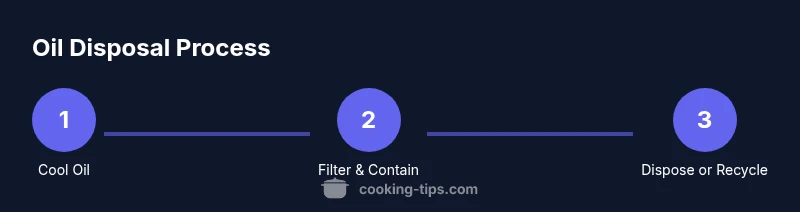
This guide shows you how to get rid cooking oil in four simple steps: cool and solidify, filter and trap particulates, choose a disposal method (sealed trash container, recycling program, or local drop-off), and clean up any spills. Always label and store until final disposal, and never pour oil down the drain to avoid clogs.
Understanding Why Proper Oil Disposal Matters
If you're wondering how to get rid cooking oil, you're not alone. Used cooking oil can seem like a waste product, but it has real implications for your home and the environment. Proper disposal protects plumbing, reduces sewer clogs, and keeps rivers and wetlands free from oily runoff. The Cooking Tips team found that many households pour oil down the drain out of habit or worry that disposal is inconvenient. In reality, simple steps make a big difference. This section explains why disposal choices matter, what happens when oil ends up in the wrong place, and the basic terms you’ll see in local guidelines: recycling, reuse, and proper containment. By understanding the lifecycle of used oil, you’ll be better prepared to choose the option that matches your volume and your community rules. Keep in mind that even small amounts can accumulate and cause problems over time, so adopting a consistent routine helps you stay responsible without extra stress.
Oil coating in pipes creates blockages that can trigger expensive plumbing bills or back-ups during heavy rains. In landfills, used oil can seep into soil and groundwater and harm wildlife. By treating used oil as a resource rather than a waste, you support safer waste-to-energy programs and municipal operations. According to Cooking Tips, adopting a local disposal routine saves you money and protects your family from potential exposures to unspecified contaminants found in some improper disposal environments.
Safe Disposal Methods for Everyday Cooking Oil
There are several safe, practical options for disposing of cooking oil. The simplest is to let the oil cool completely, then pour it into a sturdy, sealable container and place it in the trash. This method works well for small to moderate quantities and helps prevent leaks from the bag or container. If your community offers a cooking oil recycling program or household hazardous waste collection, use those channels when available. Recycling centers can convert used oil into biodiesel or other non-petroleum products, which reduces waste and supports renewable energy. For larger volumes, many municipalities have drop-off locations or special collection events; check your city’s official website or waste-management app for exact instructions. Even if you don’t have a formal program nearby, some brands and local shops accept used oil for recycling. It’s important to avoid pouring oil into sinks, toilets, or storm drains because this can cause clogs and contaminate water supplies. The Cooking Tips analysis shows consistent, safe disposal reduces maintenance costs and environmental impact over time.
How to Reuse and Recycle Cooking Oil Responsibly
Reusing cooking oil is possible in some contexts, particularly if you strain it to remove food particulates, store it in a clean, cool, dark place, and use it within a short timeframe. Straining oil through a fine mesh or coffee filter helps remove food debris that can degrade flavor and generate harmful compounds. If reuse isn’t appropriate or you’re unsure about quality, it’s better to dispose of it through the methods described above. Some edible oils can be collected for recycling into biodiesel or added to energy recovery streams. Always label containers and keep oil separate from other liquids to avoid accidental mixing, which can complicate disposal and recycling options. If you have access to a local oil-recycling program, follow their guidelines for container types, acceptance limits, and drop-off times. The Cooking Tips team notes that recycling options are expanding in many communities, making it easier to turn waste into a useful resource rather than sending it to landfill.
What Not to Do: Common Mistakes and Hazards
Never pour hot or warm oil down the drain. It can scald pipes and create dangerous clogs. Do not mix cooking oil with bleach, solvents, or other chemicals, as this can create hazardous waste that’s difficult to process. Do not empty large quantities into trash bags that aren’t sealed or could leak; leaks attract pests and create odors. Avoid pouring oil into compost in most cases, as it can attract pests and slow the composting process. If oil spills, clean promptly using paper towels and a mild absorbent material to prevent slipping hazards and staining. Basic safety rules include keeping oil away from children and pets and wearing gloves if you’re handling large amounts to prevent skin irritation or slips.
Quick Tips for Household Oil Management
- Always cool oil before handling to reduce the risk of burns or splashes.
- Use a dedicated, sealable container for storage before disposal.
- Strain oil to extend its viability if you plan to reuse it soon.
- Label containers clearly with the disposal date and contents.
- Schedule regular disposal sessions to prevent buildup and avoid last-minute rushes.
Local Options: Where to Take Your Used Oil
Start with your city’s waste-management site or app to find official disposal routes. Some municipalities partner with recycling facilities that accept used cooking oil and convert it into biodiesel or other products. If you don’t see an option online, call your local sanitation department or visit a community recycling center to ask about oils-only drop-offs. When you prepare oil for drop-off, bring a sealed, stable container—preferably a rigid jar or metal can with a tight lid. For small quantities, many curbside programs will allow sealed bags inside the regular trash, but confirm this with your local rules. Cooking Tips emphasizes that knowing your exact local guidelines will save you time and ensure you’re following the law. In some areas, farmers and service stations also accept used oil for recycling, which can be more convenient for large volumes.
Putting It All Together: A Simple Maintenance Routine
Create a weekly mini-routine to keep used oil under control. After frying, let the oil cool completely on a heat-safe surface. Pour it through a fine mesh sieve into a labeled storage container. If you won’t dispose of it right away, store it in a cool, dark place away from direct sunlight. When your container is full or you have time for disposal, take it to the appropriate drop-off or recycling location. This routine helps prevent spills, odors, and clogs and fits easily into a busy week. The key is consistency: a little effort each week beats a big cleanup later, and it aligns with best practices highlighted by Cooking Tips.
Tools & Materials
- Heat-safe container with secure lid(Glass jar or metal tin with lid; choose capacity for your typical oil volume)
- Paper towels or clean cloth(For absorbing spills and wiping surfaces)
- Fine mesh sieve or coffee filter(To strain oil after cooling)
- Plastic sealable bag or rigid oil disposal container(For transporting to disposal)
- Plastic bin or sturdy trash bag(For trash disposal if allowed by local guidelines)
- Optional: recycling bin or container for program drop-off(Only if your local program requires or provides a dedicated container)
- Cooking thermometer (optional)(To ensure oil is cool enough before handling)
Steps
Estimated time: 20-30 minutes
- 1
Cool the oil completely
Let the oil settle and come to room temperature or cooler if safe. Cooling reduces burn risk and makes filtration easier. If the oil is very hot, transfer it to a heat-safe surface and wait 20-30 minutes before handling.
Tip: Do not rush this step; hot oil can cause splashes and burns. - 2
Filter out food particles
Pour the cooled oil through a fine mesh sieve or coffee filter into your storage container to remove solids that can cause rancidity or thick buildup during disposal.
Tip: Line the sieve with a coffee filter for finer filtration. - 3
Choose your disposal method
If your city allows, pour the oil into a sealed container and place it in the trash. Alternatively, use a local recycling program or drop-off site. Always follow your local guidelines.
Tip: Keep track of volume; large amounts may require a recycling or drop-off appointment. - 4
Seal and label the container
Seal the disposal container tightly and label it with the contents and disposal date. This helps waste handlers identify contents and reduces misplacement during pickup.
Tip: Avoid mixing with other liquids to prevent sealing issues. - 5
Transport to disposal
Carry the sealed container to your designated disposal location. Transport in a stable position to prevent spills. If using curbside trash, ensure it rests securely in a sturdy bag or can.
Tip: Place the container in a secondary bag to prevent leaks. - 6
Clean up and store materials
Wipe down surfaces and wash tools used in disposal. Store spare filters and containers away from heat and sunlight for future use.
Tip: Keep your disposal kit ready so you can act quickly next time.
Quick Answers
Can I pour used cooking oil down the drain?
No. Pouring used oil down the drain can clog pipes and overwhelm sewer systems. It also harms water treatment processes. Always dispose of oil in a sealed container or through a local recycling/drop-off program.
No. Oil down the drain can clog pipes and harm water systems. Use a sealed container or local recycling as your disposal method.
Is it safe to reuse cooking oil for frying?
Reusing oil is possible in some cases if it’s strained and stored properly, but it degrades with each use. Look for off smells, bubbles, or dark color as signs it’s no longer good and dispose of it instead.
You can reuse oil in some cases if you strain it and store it correctly, but watch for signs of degradation and dispose if necessary.
What if there’s no recycling option in my area?
If recycling isn’t available, seal and trash small amounts according to local rules. For larger volumes, contact your municipality for a special collection event or a permitted drop-off site.
If no recycling option exists, use sealed disposal in trash following local rules, and check for special collection events for larger quantities.
How should I store used oil before disposal?
Store used oil in a cool, stable container with a tight lid, away from heat and direct sunlight. Label it with the date and contents so it's easy to identify later.
Keep used oil in a sealed, labeled container in a cool, dark place until you dispose of it.
Is used oil hazardous waste?
Used cooking oil is not typically classified as hazardous by itself, but improper disposal creates hazards for environments and infrastructure. Follow local guidelines to ensure safe disposal.
Used cooking oil can be hazardous to the environment if disposed of improperly, so follow local disposal rules.
What containers work best for transporting used oil?
Use a rigid, sealed container with a secure lid, like a sturdy jar or metal tin. Avoid flimsy bags that can leak, especially when carrying long distances.
Choose a sturdy, sealed container to transport used oil safely.
Watch Video
Top Takeaways
- Dispose oil in sealed containers, not the drain.
- Filter and store oil safely before disposal.
- Always follow local guidelines for recycling or drop-offs.
- Keep a simple routine to prevent clogs and waste.