How to Deal with Cooking Oil: Storage, Reuse, and Disposal
Learn safe, practical ways to handle cooking oil: store, reuse, dispose properly, and clean up—reducing waste, improving safety, and saving money in everyday cooking.


Learn how to deal with cooking oil safely and sustainably. This guide covers identifying oil types, proper storage, safe disposal, and quick cleanup to prevent fires and waste. You’ll get practical steps, tools, and best practices you can apply in any home kitchen.
Why proper oil handling matters
Oil is a kitchen workhorse, powering many delicious meals, but mishandling can lead to dangerous fires, unpleasant odors, and avoidable waste. According to Cooking Tips, safe oil management isn't just about cleanliness; it's about safety, cost savings, and environmental stewardship. When you understand how oil behaves—from frying temperatures to oxidation—you can make smarter choices at every cook moment. In practice, safe oil handling means choosing the right oil for the job, storing it properly after use, deciding when it’s still good to reuse, and disposing of what you can't reuse in a way that minimizes waste. By mastering these basics, home cooks can keep their kitchens safer, cheaper, and more eco-friendly without sacrificing flavor.
Understanding oil types and uses
There are many edible oils used in home cooking, each with distinct flavors, smoke points, and storage needs. Common kitchen oils include olive, canola, sunflower, peanut, and sesame, as well as animal fats like lard. Recognizing the differences helps you pick the right oil for searing, sautéing, baking, or dressing. It also informs how oil behaves after cooking: some oils oxidize quickly and become rancid if exposed to light or heat, while others hold up better under high heat. In practice, you’ll select oils based on this balance of flavor, health considerations, and cooking method. Understanding what happens to oil during frying—the release of aroma compounds, the absorption of food fats, and the gradual contamination with food particles—helps you decide when it’s time to filter, store, or discard. Cooking Tips emphasizes that oil health and safety hinge on moderation, mindful reuse, and respecting local disposal guidelines, which vary by region and waste infrastructure.
Safe storage and reuse practices
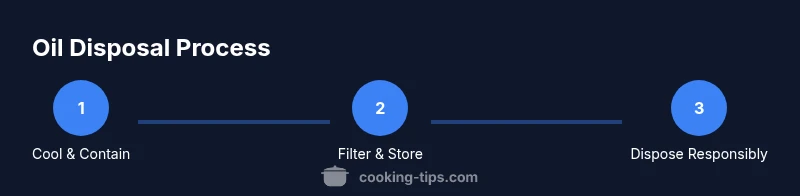
Proper storage extends the life of cooking oil and reduces waste. After cooling, transfer used oil to a clean container that blocks light and seals tightly. Use a funnel to minimize spills, and strain out any food particles with a fine mesh strainer before sealing. If you plan to reuse oil, follow your oil type’s guidelines and your kitchen's usage pattern: avoid reusing oil that smells off, appears dark, or foams excessively. Store the container in a cool, dark place away from heat sources and sunlight. Reusing oil can save money and add less waste to your trash, but it’s not limitless; degradation continues with each heating cycle and food residue accelerates the process. Keep a simple log or date marker on the container to track how many uses you’ve had and to remind family members to check the oil’s condition before reuse. The bottom line is to be selective about reuse, filter between uses, and prioritize safety and flavor over convenience.
Safe disposal options for used oil
Disposal options vary by location, so check local guidelines first. If the oil is contaminated or past its prime, sealing it in a non‑recyclable container and placing it in the trash is often acceptable. A common practice is to pour cooled oil into a sturdy, sealable container (such as a metal can or glass jar) and label it clearly before trash disposal. Never pour oil down the drain or toilet, and never pour it onto the ground or into storm drains, as it can clog pipes and harm waterways. For those who want to minimize waste, consider taking used cooking oil to a recycling or household hazardous waste facility if your area offers it, or contact your local waste program to learn about curbside oil pick-up or drop-off options. If you prefer to reuse, you can strain and store in a separate container for future cooking, following safety guidelines and ensuring the oil is suitable for reuse.
Clean-up, odors, and kitchen safety
Spills happen, so have absorbent materials ready: paper towels, baking soda, or kitty litter can quickly soak up oil and reduce slick risks. After each cooking session, wipe surfaces with hot, soapy water and rinse, taking care not to splash hot oil. Personal safety matters too: wear heat‑resistant gloves when handling hot containers and keep children and pets away from the cooking zone until oil is fully cooled. If odors linger, ventilate the space with a fan and open windows; you can also place a small bowl of white vinegar or baking soda nearby to help neutralize smells. A clean workstation makes future cooking safer and more enjoyable, so return tools to their places and wash strainers, funnels, and jars promptly. Remember: the goal is to prevent accidents, keep your kitchen smelling fresh, and make oil handling part of a routine you can repeat with confidence.
Environmental and health considerations
Responsible oil management aligns with broader health and environmental goals. Used oil, if mismanaged, can clog drains, pollute waterways, and contribute to waste streams that tax local facilities. Practicing mindful disposal reduces environmental impact and keeps cooking costs predictable over time. From a health perspective, choosing the right oil for the job influences taste and nutrition, while proper storage protects against rancidity and the formation of undesirable compounds. Cooking Tips encourages readers to stay informed about their community programs and to consider the long‑term effects of waste in landfills, waterways, and ecosystems. Small, consistent habits—labeling containers, following local disposal guidelines, and keeping a dedicated space for used oil—make a meaningful difference in home cooking and in the broader food system. By adopting safe, practical oil management, you support healthier meals, safer kitchens, and a cleaner environment.
Authority sources and further reading
To deepen your understanding, consult government and university resources on waste management and food safety. Public health guidance from federal agencies and land‑grant universities provides practical, regionally relevant tips for oil disposal and reuse. Key sources include FDA’s food safety framework, EPA’s waste management guidance, and international health organizations for general safety best practices. These references help you tailor oil handling to your location and needs, ensuring you follow local rules while maintaining kitchen efficiency and safety. For convenience, you can start with these well‑established portals and then explore regionally specific programs. The Cooking Tips team believes that informed cooks make safer choices, minimize waste, and create delicious meals with confidence.
Tools & Materials
- Heat-resistant gloves(Nitrile or silicone, for hot oil and splashes)
- Sealed storage container(Glass or BPA-free metal, dark if possible)
- Fine-mesh strainer(To remove food particles before storing)
- Funnel(For clean transfer into storage container)
- Absorbent material(Paper towels, baking soda, or kitty litter for spills)
- Trash/compost bag(Seal used oil waste securely before disposal)
- Labeling marker(Date and reuse status for oil containers)
Steps
Estimated time: 25-40 minutes
- 1
Turn off heat and move pan
Immediately switch off the burner and carefully move the pan away from the heat source to prevent accidents. This step is essential to avoid splatters and burns as oil begins to cool. Keep children and pets away during this transition.
Tip: Using a sturdy pot handle grip helps you move the pan safely without tipping. - 2
Let oil cool to safe handling temperature
Allow the oil to come down to a safe handling temperature before touching it. Do not rush cooling by adding water; this can cause dangerous splattering. Quick, controlled cooling reduces burn risk.
Tip: Test temperature by cautiously hovering the back of your hand near the edge—never dip fingers into hot oil. - 3
Set up storage container and funnel
Place an empty storage container on a stable surface and fit a funnel to minimize spills. This creates a clean pathway for decanting without drips or overflows. Keep the container away from heat and direct sun.
Tip: Choose a container with a wide mouth for easy pouring and cleaning. - 4
Pour oil through a strainer into storage
Pour the cooled oil slowly through a fine mesh strainer into the prepared storage container to remove solids. This prevents contamination that could shorten reuse life. Stop if you notice excessive foaming or if the oil looks muddy.
Tip: Use steady, controlled pours to avoid spills on the counter. - 5
Label, seal, and store properly
Seal the container tightly and label it with the date and reuse status. Store in a cool, dark place away from heat sources and sunlight. This helps preserve quality for future use and reduces waste.
Tip: Create a clearly marked “Used Oil” shelf to prevent accidental mixing with fresh oil. - 6
Dispose of oil if not reusable
If the oil is degraded, smells off, or contains significant food residue, dispose of it according to local guidelines. Do not pour down drains or onto the ground. Contact your local waste program for specific disposal options, including curbside options or Household Hazardous Waste sites.
Tip: Always check if your municipality accepts used cooking oil for recycling. - 7
Clean up spills and tools
Wipe any residue from the work area with hot, soapy water and dry thoroughly. Wash funnels, strainers, and jars promptly to prevent odor buildup. Store all tools back in their places to maintain kitchen safety and readiness for next use.
Tip: Keep a small bottle of oil-safe cleaner on the counter for quick maintenance.
Quick Answers
What should I do with used cooking oil?
Store oil in a sealed container if you plan to reuse it. If not, follow local disposal guidelines and do not pour down the drain. Label for reuse and ensure the container is kept cool and away from heat sources.
Store used oil in a sealed container if you plan to reuse it. If not, follow local guidelines and never pour it down the drain.
Can I reuse cooking oil safely?
Yes, you can reuse oil if it still looks and smells normal, is lightly used, and has been strained after cooling. Avoid reusing oil that foams, darkens, or emits strong odors. Always store it away from heat in a sealed container.
You can reuse oil if it looks and smells fine after filtering, and you’ve kept it sealed and away from heat.
Is it okay to pour oil down the drain?
No. Pouring cooking oil down the drain can clog pipes and pollute water systems. Instead, seal and dispose of it in the trash or use a local recycling option if available.
No. Don’t pour oil down the drain; seal and dispose of it properly or check local recycling options.
How long does reused oil stay good?
The usable life of reused oil varies with oil type, usage, and storage. Check for off smells, unusual color, or excessive foaming. When any of these signs appear, discard the oil and start fresh.
Reuse oil only if it smells and looks normal; discard if there are any off smells or colors.
Are there oil recycling programs?
Some municipalities offer oil recycling or household hazardous waste programs. Contact your local waste management authority to learn about drop-off sites or curbside options specific to your area.
Some areas offer oil recycling; check with your local waste management for options near you.
Watch Video
Top Takeaways
- Identify oil type before use and after cooking to guide disposal.
- Store used oil in a sealed, dark container away from heat.
- Never pour oil down the drain; follow local disposal guidelines.
- Clean up spills promptly to maintain kitchen safety.