When to Replace Cooking Oil: A Practical Guide for Home Cooks
Learn practical cues for when to replace cooking oil, how to test oil quality, safe disposal, and tips to extend oil life in everyday cooking for home cooks.


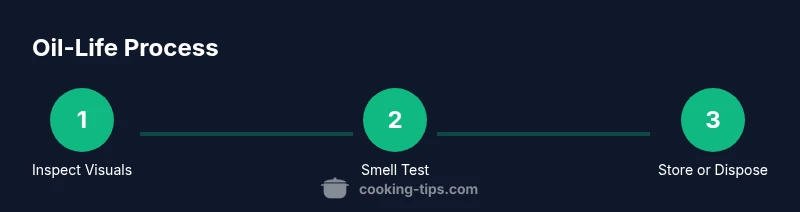
By monitoring oil appearance, aroma, smoke point, and usage history, you can decide when to replace cooking oil. For most home frying, reuse is limited; replace oil if it smells rancid, foams excessively, darkens quickly, shows off-flavors, or begins to smoke well below the intended temperature. When in doubt, discard and start fresh to protect flavor and safety.
Why the oil you cook with matters
Oil is more than a cooking medium; it carries flavor, texture, and aroma. Overused or degraded oil can impart off-notes, cause uneven browning, and degrade the healthfulness of your dishes. Understanding when to replace cooking oil isn't about waste—it's about safety, taste, and cost. A simple routine of visual checks, sniff tests, and mindful cooking will keep your meals consistent and your kitchen safer. In many kitchens, inexpensive oils are used daily, so small changes accumulate quickly. If you notice heaviness on the palate, sticky residues, or a sticky film on the bottom of your pan after cleaning, those are signs the oil has absorbed flavors and moisture, reducing its smoke point and elevating the risk of splatter.
Visual and olfactory cues: signs oil needs replacement
Oil should look clear and amber-colored rather than muddy or cloudy. Signs to replace oil include a sour or stale smell, a popcorn-like or fishy scent, excessive foaming, darkening of the oil color, or a thick, sticky film on utensils. If oil begins to foam aggressively when heated, or if it produces an acrid aroma even before cooking, discard it. Also monitor how long you’ve stored it after opening; long storage accelerates rancidity, especially in warm kitchens.
How to test oil quality at home
Start with a small amount of oil in a clean pan and warm it to just below the oil’s smoking point. Observe for clear, steady heating without abnormal foam. A subtle scent change is typical, but a harsh, sour, or fishy odor means the oil has degraded. If unsure, err on the side of caution and replace oil rather than risking flavors or safety. A quick bread-slice or light sensor can help confirm aroma before using oil for cooking.
Oil life varies by cooking method and temperature
Different cooking methods expose oil to heat and moisture in distinct ways. Deep-frying with breaded foods accelerates oil breakdown due to moisture and particulates, while light sautéing with dry pans places less strain on oil. Olive oil behaves differently than neutral oils like canola or peanut oil, and oil that has been heated past its smoke point will degrade rapidly. In practice, use oil within its safety window for the task, and pool your use across days rather than stacking heavy fry sessions on a single day.
How to extend oil life safely
Maximize oil life with careful filtration after use, storage away from light and heat, and clean handling. Filter the oil through a fine mesh or coffee filter to remove food particles that accelerate rancidity. Store in a sealed, opaque container in a cool, dark place or refrigerate if you won’t use it soon. Always use clean utensils to avoid water or stray food bits that can hasten spoilage. Label containers with the date and intended use to track freshness.
Safe disposal and reuse boundaries
If the oil shows signs of degradation, do not reuse for high-heat cooking. When discarding, never pour oil down the drain; pour into a sealable container and dispose of with household waste, or take to a local recycling program if available. For oils that survived several meals and remain clean, you may reuse once or twice for similar foods, but always check smell and color before reuse. When in doubt, replace oil to protect both flavor and safety.
Quick-start cheat sheet for busy cooks
- Use visual, smell, and heat cues to gauge oil quality.
- Filter oil after use and store properly to extend life.
- Do not mix old and new oil in the same container.
- Discard oil that smells off, foams, or smokes below the expected point.
- Label and date oil to track freshness over time.
Common mistakes that shorten oil life
- Overheating oil or letting it smoke repeatedly.
- Introducing water or moisture into hot oil.
- Using oil past its prime for multiple meals.
- Storing oil in clear containers that expose it to light.
- Reusing oil for strongly flavored foods without cleaning between uses.
Choosing the right oil and when to replace based on oil type
Different oils have distinct smoke points and flavor profiles. Neutral oils like canola or peanut tolerate higher heat, while extra-virgin olive oil is best for finishing or low-heat cooking. When replacing, consider the oil’s smoke point and the cooking task. If a given oil begins to degrade, switch to a fresh batch or a higher-stability oil for the planned technique.
Tools & Materials
- Thermometer (digital, frying-grade)(Probe type with adjustable temperature range up to at least 400°F/204°C)
- Fine-mesh strainer or coffee filter(For oil filtration after use)
- Seal-able storage container(Opaque or dark glass preferred to block light)
- Paper towels or clean cloth(Ready for blotting and drying utensils)
- Disposal container/bags(For sealing used oil before disposal)
Steps
Estimated time: 25-40 minutes
- 1
Gather and inspect the oil
Collect the oil you plan to reuse and inspect it visually and via smell. Check for cloudiness, dark color, or off-putting odors that differ from fresh oil. If any signs of deterioration appear, set the oil aside for disposal rather than cooking with it.
Tip: Having a dedicated oil jug helps you keep track of uses and prevents cross-contamination. - 2
Heat a small amount to test the oil
Place a small amount of oil in a clean pan and heat gently toward the usual cooking temperature without reaching a full boil. Look for consistent heating and a stable aroma—sharp or sour notes indicate degradation.
Tip: If you notice excessive foaming or smoking well before normal temps, stop and discard. - 3
Evaluate oil after heating
Assess aroma, color, and texture. Fresh oil should have a neutral or pleasant aroma and a clear color. If the oil foams heavily, darkens or leaves a sticky aftertaste, it’s time to replace.
Tip: Taste a tiny amount if you’re unsure; rancid oil leaves a sour or metallic taste. - 4
Filter and recheck
If you plan to reuse, filter the oil through a fine-mesh strainer or coffee filter to remove particles. Reheat to your target temperature and re-evaluate; clear oil with no off-odors is a better sign to continue.
Tip: Filtration extends life but does not fix fundamental degradation. - 5
Decide whether to store or discard
If the oil remains within acceptable taste and smell after filtration, you may store for future use in a sealed container away from light. If not, discard promptly in a sealed container.
Tip: Label with date and intended use to prevent confusion later. - 6
Store properly if reusing
Store oil in a cool, dark place or refrigerate to slow rancidity. Keep it sealed and off the pantry shelf away from sunlight and heat sources.
Tip: Avoid storing near the stove or heat-generating appliances. - 7
Clean up and recycle responsibly
Wash and dry utensils, wipe up any spills, and dispose of the oil container as required by local guidelines. Do not pour used oil down the drain.
Tip: Check your local waste program for oil recycling options.
Quick Answers
How can I tell if oil is still good after frying?
After frying, let the oil cool and inspect its scent and color. If it has a rancid, sour, or unusual odor, or appears very dark and foamy, it’s best to discard. Also avoid reusing oil that produced off-flavors in prior batches.
After frying, cool and check for sour smell or dark color. If it smells off or foams, discard and start fresh.
Can I reuse oil after frying seafood?
Oil used for seafood can take on seafood flavors and be prone to quicker degradation. If you plan to reuse, filter well and taste a small amount first; if it tastes off or smells fishy, discard.
Seafood oil can pick up flavors and degrade faster. Filter and test taste before reusing.
Is there a safe number of uses for cooking oil?
There isn’t a universal fixed number of uses. Reuse depends on oil type, food, and cooking temperature. If oil remains clear, neutral-smelling, and shows no unusual foaming, it may be reused a few times with caution.
There isn’t a universal count. Look for quality indicators and don’t push oil beyond safe use.
What should I do with oil that has gone rancid?
Rancid oil should be discarded promptly in a sealed container. Do not reuse or mix with fresh oil. Dispose according to local guidelines for household oil waste.
Discard rancid oil in a sealed container and follow local disposal rules.
Does oil type affect when to replace?
Yes. Oils with higher smoke points and neutral flavors (e.g., peanut or canola) tolerate higher heats and longer reuse, while delicate oils (e.g., extra-virgin olive) degrade faster. Choose oil based on the cooking task and monitor its condition closely.
Oil type changes how you judge its life; higher-heat oils last longer for frying.
Are there eco-friendly ways to dispose of used oil?
Some communities offer recycling programs for used cooking oil. If none exist, seal in a container and place it with regular trash, following local guidelines. Never pour oil into waterways or drains.
Check for local recycling options; if not available, seal and trash according to rules.
Watch Video
Top Takeaways
- Inspect oil visually and by smell before reuse
- Filter and store oil properly to extend life
- Discard oil if it foams, darkens, or smells off
- Use oil appropriate for the cooking task and temperature
- Dispose of oil safely and according to local guidelines