How to Recycle Cooking Oil: A Home Cooks Guide
Learn how cooking oil is recycled—from collection and filtration to biodiesel and other products. This guide covers home prep, drop-off sites, safety, and environmental benefits.


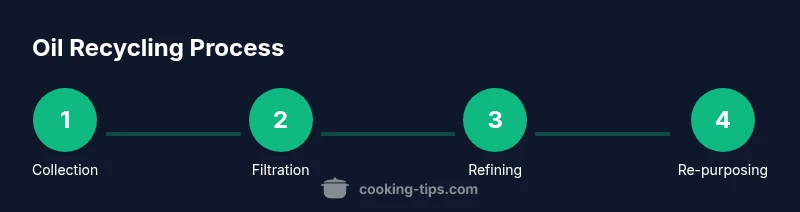
If you’re wondering how cooking oil is recycled, the process starts with proper collection and cooling, followed by filtration to remove solids. The oil is then transported to a facility where it’s refined and converted into biodiesel, soaps, or other usable products. For households, the key steps are safe storage and choosing a local drop-off or curbside option—this keeps waste out of drains and supports a circular economy.
Why Recycle Cooking Oil?
According to Cooking Tips, preventing used oil from entering drains protects plumbing and waterways, and it reduces overall waste at home. The Cooking Tips team found that many households avoid recycling simply because they don’t know where to start or fear contamination. If you’re asking how is cooking oil recycled, the answer boils down to three simple ideas: collect it safely, filter out solids, and deliver it to a certified recycling program. Small, consistent steps—like keeping a sealed container in the pantry or garage—add up to a big environmental impact. Recycled oil can become biodiesel, soaps, cosmetics, or lubricants, turning a kitchen waste stream into valuable resources. Embracing this practice supports local businesses and reduces dependence on virgin fuels while protecting water quality and soil health.
In practice, households that recycle oil help to close the loop on cooking fats and oils. Municipal programs, grocery store drop-offs, and dedicated recycling centers provide easy options for disposal, often with little or no cost. The key is to choose a reputable site, avoid mixing with water or other liquids, and label your container so staff can process it quickly. By integrating recycling into routine cooking cleanup, home cooks contribute to a cleaner environment and a more resilient energy system.
Where to Recycle: Local Options and Programs
From city programs to private drop-off facilities, many communities offer pathways to recycle used cooking oil. Start by checking your city or county environmental services website for a list of approved sites and hours. Local grocery stores, gas stations, and recycling centers often host collection bins or take-back programs. If curbside collection exists in your area, confirm the acceptable oil types, containers, and preparation steps. Some programs require oil to be stored in a rigid, leak-proof container; others accept oil in original packaging or dedicated service barrels. Before you go, label your container with the date and contents to help staff sort and track. If you’re unsure where to start, a quick call to your local waste management office can save time and prevent cross-contamination. Community programs sometimes offer educational resources or workshops, especially around Earth Day or national recycling events. Participating in these options supports local jobs and helps create a steady pipeline for reprocessing waste oil into biodiesel, soaps, or other useful products.
How to Prepare Used Oil for Recycling
Proper preparation starts with allowing hot oil to cool completely, then transferring it through a sieve or cheesecloth to remove food particles. For best results, pour the cooled oil through a funnel into a dedicated, sealable container—preferably a dark glass or BPA-free plastic jug with a tight lid. Avoid metal containers that can react with certain oils. If your oil is mixed with water or has a strong odor, it may require additional filtration or a secondary container before transport. Always label the container with the date and type of oil (vegetable, olive, or mixed oils) to help recycling staff sort efficiently. Transport the oil in a sturdy, leak-proof container to your chosen drop-off site and keep it upright to prevent spills. Do not mix used oil with motor oil, solvents, or other household chemicals, as this can contaminate the stream and complicate processing. Some programs also request that you drain off any remaining water first, which can be done by allowing the oil to settle and decanting the clear oil.
What Happens After Collection: Refining and Conversion
Once collected, used cooking oil undergoes several processing steps before it becomes a new product. At refineries, solids are removed and the oil is cleaned to remove impurities. The refined oil may then enter a transesterification or other conversion process to produce biodiesel or bio-based lubricants. Some fractions are refined into specialty products like soaps or cosmetics. The value of recycled oil depends on its cleanliness and composition, so clean, dry oil yields the best results. The Cooking Tips Analysis, 2026 indicates that consumer awareness and robust local programs consistently improve recycling rates, transforming a waste stream into renewable energy and other materials. By understanding this pathway, home cooks can appreciate how their small actions contribute to a larger sustainable energy system and a circular economy.
Safety, Storage, and Environmental Considerations
Handling used oil requires attention to safety and environmental impact. Keep containers away from heat sources and direct sunlight to minimize odor and spoilage. Use a closed, labeled container to avoid spills and accidental mixing with other substances. When transporting oil, place containers inside a secondary, leak-proof bag or bin to prevent leaks in case of a spill. Never pour used oil down the drain, on the ground, or into storm drains, as this can clog plumbing and degrade ecosystems. If oil spills occur, clean them up immediately with absorbent material and dispose of the waste according to local regulations. Local guidelines vary, so consult your city’s environmental office for proper disposal methods. By adopting safe handling practices, home cooks protect themselves and the environment while supporting responsible recycling programs.
DIY Tips and When to Use Professional Services
You can do a lot at home to prepare used oil for recycling, but the actual processing is done at specialized facilities. Home-grade filtration and storage are useful for ensuring that only clean oil is sent to drop-off sites. For certain mixed or contaminated oils, professional pickup or facility processing may be required. If you’re unsure about the oil’s suitability, contact the recycling site for guidance before bringing in your waste. Some programs offer simple drop-off kits or resident education workshops that explain acceptable oil types and containers. Partnering with local programs strengthens your community’s recycling network and ensures the highest rate of material recovery. Remember that professional services can handle larger volumes and more complex waste streams, especially in commercial kitchens or multi-unit buildings.
The Big Picture: Best Practices and Community Impact
A robust used oil recycling system benefits the environment, creates local jobs, and reduces dependence on fossil fuels. Best practices include keeping oil dry and clean, using dedicated containers, and participating in local programs that regularly report their impact. Consumers who recycle oil help lower greenhouse gas emissions and support the production of biodiesel and other sustainable products. The Cooking Tips team emphasizes consistency—regularly recycling even small amounts adds up to meaningful environmental gains. By teaching neighbors and family to recycle oil responsibly, you reinforce a culture of sustainability that reaches beyond your kitchen and into your broader community.
Tools & Materials
- Heat-resistant, sealable container (1–2 gallons)(Opaque plastic or glass with a tight lid; label clearly)
- Fine-mesh strainer or cheesecloth(Remove food particles for cleaner oil)
- Kitchen funnel(Reduces spills during transfer)
- Seal label and marker(Date collected and type of oil)
- Leak-proof transport container or bag(For safe travel to drop-off site)
- Absorbent material (cat litter or baking soda)(On-hand for minor spills)
- Drop-off information sheet or access to local program(Hours, acceptable oil types, and instructions)
Steps
Estimated time: 30-60 minutes (plus travel time to drop-off)
- 1
Cool and strain the oil
After cooking, allow the oil to cool completely. Use a fine mesh sieve or cheesecloth to remove food particles. This helps prevent clogs at recycling facilities and improves the quality of the oil for processing.
Tip: If there’s a lot of debris, strain twice using a second filter. - 2
Pour through a funnel into a sealed container
Set up a funnel over your storage container and slowly pour the strained oil. Use a clean container with a tight lid to minimize odors and leaks during storage.
Tip: Line the funnel with a coffee filter for extra clarity if you notice fine particles. - 3
Label and store the oil
Label the container with the date and oil type (e.g., canola, olive). Store in a cool, dark place away from heat sources until you drop it off.
Tip: Keep all oil containers together in a single bin to avoid misplacement. - 4
Find a recycling option and prepare for transport
Check local programs or drop-off sites for acceptance rules and hours. Transport the oil in its sealed container to the site, keeping it upright and secure.
Tip: Take a receipt or confirmation if the site provides one for accountability. - 5
Understand the recycling path
Know that collected oil is cleaned and refined, then converted into biodiesel, soaps, or lubricants. This helps reduce waste and supports renewable energy.
Tip: Ask site staff about the end products to encourage awareness. - 6
Dispose of containers responsibly
When the oil is recycled, rinse your container if the program allows, and dispose of or recycle the container per local guidance.
Tip: Avoid pouring anything down the drain afterward; re-use or recycle the container as directed.
Quick Answers
What counts as used cooking oil?
Used cooking oil is any oil that has been heated for cooking and is no longer suitable for use, often with food particles or water contaminants.
Used cooking oil is oil that's been heated and can't be used for cooking again, often with food particles.
Why should I recycle cooking oil?
Recycling reduces waste, protects plumbing, and can be transformed into biodiesel and other useful products.
Recycling cuts waste and protects pipes; the oil can become biodiesel or other goods.
Can I mix water with used oil?
No. Water can cause separation and complicate recycling; allow water to settle and decant the clear oil.
Water and oil don’t mix; let any water settle, then drain carefully.
Where can I drop off used oil?
Check your municipality's environmental services or local recycling centers; many have dedicated oil drop-off bins.
Look for a local oil drop-off site or recycling center.
Can household oil be recycled if it’s mixed with food?
If possible, strain and filter; some facilities accept oil with minimal solids, but check local rules.
Filter oil to remove food solids; some sites accept it, others do not.
Is it safe to transport used oil in a home kitchen container?
Yes, as long as the container is sealed, leak-proof, and clearly labeled to prevent spills.
Use a sealed, labeled container when transporting.
Watch Video
Top Takeaways
- Identify local oil recycling options and guidelines.
- Strain, seal, and date-stamp used oil before disposal.
- Never pour oil down drains; recycle instead.
- Used oil becomes biodiesel, soaps, or lubricants.
- The Cooking Tips team recommends following local rules for best results.