Can You Put Cooking Oil Down the Sink? A Safe Disposal Guide
Learn why pouring cooking oil down the sink is risky and explore safe disposal options, recycling tips, and practical kitchen habits from Cooking Tips.


Short answer: no. Pouring cooking oil down the sink can clog pipes and harm both your plumbing and the local sewer system. Instead, let the oil cool, solidify, and trash it in a sealed container, or recycle it at a local oil-recycling drop-off if available. For small quantities, wipe, absorb, or reuse it when safe.
Why pouring cooking oil down the sink is risky
Pouring oil and grease down the drain is a common impulse after cooking, but can you put cooking oil down the sink? The short answer is no. Oil coats the inside of pipes, builds up over time, and can create stubborn clogs that disrupt drainage and invite sewer backups in your home and neighborhood. Cooking Tips often hears from readers who face slow drains after a few months of oil disposal mistakes, which means more frustration and costly repairs. To protect your plumbing, remember: oil belongs in a container, not in your drain. Planning ahead and adopting proper disposal habits saves you time, money, and a lot of headaches.
How fats, oils, and greases behave in plumbing and sewers
Grease, fats, and oils do not dissolve in water. When poured into a sink, they rise to the surface and gradually coat the inner walls of pipes. As more waste is added, the layer thickens, reducing flow and creating a tempting snag for food particles. Over time, these pockets can lead to full clogs, backflow, and sewer line damage that affects both households and the wider system. The public health and environmental consequences are significant. According to Cooking Tips, the most reliable approach is to minimize oil entering drains and to dispose of it in a way that can be recycled or safely contained. By keeping grease out of the pipes, you reduce maintenance costs and support cleaner waterways for your community.
What to do with leftover cooking oil
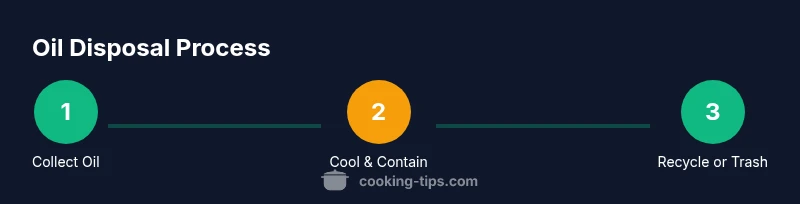
Leftover cooking oil should never be dumped into the trash, sink, or septic system in bulk. Instead, allow the oil to cool completely. Pour it into a clearly labeled, sealable container (like a cleaned jar or bottle). Keep the container upright and away from heat or sunlight. When full, seal the container and place it in the trash for municipal collection if allowed, or take advantage of local oil-recycling programs that accept used cooking oil. If you don't have a dedicated program, contact your local waste management authority for guidance. For small amounts, absorb with paper towels before discarding to reduce mess. Cooking Tips recommends repurposing or recycling whenever possible to minimize waste and environmental impact.
Safe disposal options and best practices
Many communities offer curbside recycling or drop-off sites for used cooking oil. If available, these programs convert oil into biodiesel or other products, reducing waste. If you must dispose at home, pour cooled oil into a rigid container with a secure lid and dispose of it in the trash. Never pour oil down the drain or septic system. Before disposal, wipe the pan with a paper towel to minimize leftover oil and run hot water and soap through the sink for a quick rinse, but don't rely on this to manage a full oil load. Always check local guidelines because disposal rules vary by city and state. The right approach aligns with environmental responsibility and supports public health.
Reusing and repurposing used oil safely
Used oil can sometimes be reused for cooking if it has been strained, stored properly, and kept away from air exposure. Filter out food particles, transfer to a clean, airtight container, and refrigerate if you plan to reuse within a few days. Do not reuse oil that smells rancid or has foam, bubbles, or an unusual color. Be mindful that repeated heating degrades oil quality and can create harmful compounds. If you do reuse oil, label the container with the date and recommended reuse limit. When in doubt, err on the side of disposal rather than risking spoilage or food safety concerns.
Common myths and practical tips
Many people believe small amounts can be poured down the drain with hot water, but this is a myth. In reality, even small amounts contribute to long-term buildup. Another myth is that mixing oil with baking soda or vinegar clears pipes; this does not reliably solve blockages. Practical tips: keep a dedicated oil container, label it, and encourage family members to dispose of oil properly. By changing daily habits, you can prevent common kitchen waste problems.
For large quantities: planning and disposal options
For households cooking frequently, plan ahead for larger batches. Use a metal can or jar to collect oil from multiple meals, then store sealed and transport to a recycling facility or hazardous waste center if your local rules permit. If you own a business or a large kitchen, work with your waste contractor to set up a grease trap and a scheduled disposal routine. Proactive planning protects pipes and supports sustainable waste management.
Tools & Materials
- Seal-able container for used oil(Glass or durable plastic bottle/jar with a tight lid; label contents clearly)
- Absorbent material(Paper towels, shredded newspaper, or cat litter to soak up small amounts)
- Trash bin and sturdy trash bag(For sealed disposal of collected oil containers)
- Marker or label(To label oil container with date)
- Heat-safe gloves(If handling hot oil)
- Local oil recycling program info(Check city or county website for drop-off locations)
- Dish soap and warm water(For cleaning up after disposal)
- Old newspaper or cardboard(Optional surface protection while decanting)
Steps
Estimated time: Estimated total time: 20-30 minutes
- 1
Gather and cool the oil
Turn off heat and let the oil cool completely in the pan. If you plan to reuse, strain into a clean container; otherwise prepare to transfer to a disposal container.
Tip: Do not leave hot oil unattended; it can burn surfaces or cause steam burns. - 2
Contain the oil securely
Pour the cooled oil into a clearly labeled, sealable container. Keep it upright and away from heat or sunlight to prevent leaks or spoilage.
Tip: Use a container with a tight seal to prevent spills during disposal. - 3
Seal the container
Securely seal the container and prepare it for storage or transport. If you’re disposing soon, place it in a sturdy bag or bin to avoid leaks.
Tip: Label with date and contents for future reference. - 4
Dispose in trash or recycle
Check local guidelines. If permitted, place the sealed container in the trash for pickup or take it to an approved oil-recycling drop-off.
Tip: Do not mix with other liquids; keep separate for recycling or trash. - 5
Clean up the area
Rinse pans and tools with hot water and a small amount of dish soap. Wipe surfaces to remove any stray oil and avoid slippery spots.
Tip: Use paper towels to prevent oily residues from spreading. - 6
Plan for future batches
Develop a simple system to collect oil from multiple meals and store it safely until you can recycle or dispose properly.
Tip: Set a reminder to check local programs before cooking heavy batches.
Quick Answers
Is it legal to dump cooking oil down the drain in my area?
Local laws vary, but most places discourage pouring oil down the drain due to clogging and environmental concerns. Always check your city or state's guidelines.
Check your local rules; most places discourage pouring oil down the drain.
Can I pour a small amount of oil down the sink if I run hot water?
Even small amounts can accumulate in pipes over time and cause clogs. Hot water does not prevent grease buildup as effectively as proper disposal.
Even small amounts can clog pipes over time; hot water isn’t a guaranteed fix.
What are the best disposal options for used cooking oil?
Cool the oil, pour into a sealable container, and trash it if allowed, or take it to an oil recycling drop-off. Some programs convert oil to biodiesel.
Cool the oil and store it in a sealed container, then use recycling if available.
Can I reuse used cooking oil safely?
Reuse is possible if the oil is strained, stored properly, and not used beyond safe limits. Recheck for rancid smell or unusual color before reusing.
Yes, reuse is possible if the oil is clean and stored properly, but watch for signs of spoilage.
What should I do with oil that’s mixed with water or other cleaners?
Do not mix oil with chemicals; mixing water or cleaners can create dangerous splashes and does not solve disposal issues. Keep oil separate and dispose as recommended.
Don't mix oil with water or cleaners; dispose of it separately.
Are there safe DIY methods to dissolve grease in pipes?
There are no household recipes that reliably dissolve grease in pipes. The safest approach is preventing grease from entering pipes in the first place.
There’s no at-home method that reliably dissolves grease; prevention is best.
Watch Video
Top Takeaways
- Never pour oil down the drain; it risks clogs and sewer backups
- Store oil in a sealed container for disposal or recycling
- Check local programs for recycling options to minimize waste
- Cool and wipe oil before disposing to prevent spills and odors
- Plan ahead for large batches to simplify future disposal