How to Cook Without an Oven or Stove: Practical No-Heat Methods
Learn safe, practical no-heat cooking with common tools. This guide covers heat sources, essential gear, step-by-step methods, and expert tips for home cooks.


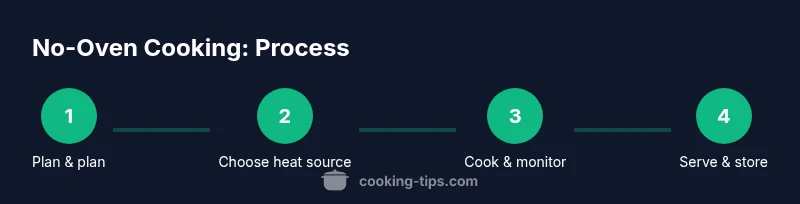
According to Cooking Tips, you can cook without an oven or stove by using alternative heat sources and simple techniques. This guide shows practical methods, essential tools, and step-by-step actions you can start today. Whether you have a microwave, electric skillet, or camp stove, you’ll learn reliable ways to prepare meals safely and efficiently.
Why cooking without an oven or stove is practical
There are many situations where you can't access an oven or stove — a small apartment, a dorm, camping trip, or during a power outage. No-heat cooking opens a world of opportunities: you can still produce nourishing meals with basic tools and careful planning. This approach is particularly valuable when kitchen space is limited or when you're trying to minimize energy use. By rethinking ingredients, techniques, and timing, you can assemble complete meals using only a few heat sources and simple equipment. In this guide, you'll explore the scenarios in which no-heat cooking shines and how to approach any pantry with confidence. Cooking Tips emphasizes safety, sanitation, and planning as the foundation of successful no-heat cooking.
Basic principles for no-heat cooking
No-heat cooking relies on a few universal ideas: maximize flavor with simple prep, use heat sources that deliver consistent temperatures, and keep food safe through proper handling. Start with mise en place: wash, chop, and portion ingredients before heat, so you can move quickly and maintain control. Build flavor with acid, salt, herbs, and aromatics that don’t require long simmering times. Choose ingredients that tolerate quick cooking or cold preparation, such as sturdy vegetables, dense grains that finish with hot water, or proteins that can be plated after brief heating. Consider texture variety—crunchy vegetables alongside soft grains—to keep meals interesting. Finally, safety matters: keep raw and cooked foods separate, sanitize boards and knives, and avoid cross-contamination when working with multiple items. With these principles in place, you’ll produce meals that feel comforting despite the absence of an oven or stove.
Essential tools and appliances that substitute for an oven or stove
Your toolkit for no-heat cooking doesn't have to be expensive. A compact electric skillet or hot plate gives you a controllable surface for sautéing, boiling, and steaming. A microwave is invaluable for reheating, soft-cooking eggs, or steaming vegetables in minimal time. A kettle or small pot helps with boiling water for hydration and quick reductions. Stackable, heat-safe containers and lids enable quick assembly and safe storage. For outdoors or emergencies, a small camp stove can be a game-changer, but only if you’re in a well-ventilated area and follow safety guidelines. Invest in a reliable thermometer to verify temperatures and a sharp knife set to speed prep. Finally, have cutting boards, towels, and a timer on hand to keep tasks organized and safe.
No-heat cooking methods you can use at home
Explore methods that work without a traditional oven or stove. Boiling or steaming in a kettle or pot is perfect for grains and vegetables. Simmering sauces in a skillet with gentle heat lets flavors mingle without scorching. Microwaving can rehydrate dried ingredients and quickly finish small portions. Grilling on an electric grill or portable grill gives a smoky edge even without an oven. Ceviche-like cold preparations rely on acidity and marination to transform texture. You can also prepare no-bake meals, like energy bites or chilled salads, which use the microwave simply to melt or heat components briefly. When using any heat source, monitor temperatures with a thermometer and adjust time based on actual heat output. Cooking Tips analysis shows that even modest heat sources can deliver consistent results when you stay organized and patient.
Quick meals: breakfasts, lunches, dinners options
Here are flexible meal templates you can assemble quickly. Breakfast: oats simmered with hot water or milk and topped with fruit; a yogurt parfait with crunchy nuts; or a quick avocado toast using warmed bread from a grill. Lunch: grain bowls with pre-cooked quinoa or couscous, veggies, beans, and a lemon-tahini dressing; or a cold pasta salad with protein. Dinner: no-heat burgers on a skillet with a quick sautéed sides, or marinated vegetables served over warm rice from a small kettle. Use batch-prepped ingredients to reduce the day-of workload; rotate proteins to keep meals balanced; and adapt portions to your appetite. The aim is to create complete meals with modest equipment and minimal cleanup.
Food safety, storage, and sanitation when cooking without heat
Because you are working with minimal heat, staying vigilant about sanitation is essential. Wash hands and surfaces often; keep raw proteins separate from ready-to-eat items; and store perishable items in a cooler or refrigerator as soon as possible. Use airtight containers to prevent moisture loss and contamination. Label leftovers with dates and reheating instructions. When re heating, ensure the internal temperature reaches safe levels; a thermometer helps verify this. If you’re using dairy, eggs, or seafood, treat them with extra care to avoid foodborne illness. Finally, avoid leaving heat sources unattended and unplug or switch off appliances after use to reduce fire risk.
Planning meals and timing with improvised heat
Map out meals for the week based on available heat sources. Identify which days you’ll rely on microwaving, which days require boiling, and which meals can be served cold or room-temperature. Pre-portion ingredients and pre-cook components that can be finished with brief heating. Set a rough timeline and use a timer to avoid overcooking; this keeps your kitchen calm and organized even when heat is limited. Build in buffer time for unexpected delays, especially when you’re dealing with new tools or unfamiliar foods. By planning ahead, you’ll minimize waste and maximize flavor.
A few practical no-oven recipes you can try
Try a simple one-pan chili—reheat canned beans with diced vegetables and spices in an electric skillet. Mix a cold quinoa salad with chopped veggies and a lemony vinaigrette; serve with herb-seasoned chicken slices warmed briefly in a kettle. A veggie stir-fry can be done in a hot pan on a stoveless burner, using quick-cook vegetables and a light sauce. Overnight oats or chia pudding provide breakfast options without any heat at all. For snacks, whip up energy bites using peanut butter, oats, honey, and add-ins; they require no baking and are portable. Each recipe uses common ingredients and common tools, making no-heat cooking approachable.
Troubleshooting common issues and pitfalls
Findings may vary with different heat sources; if something is overcooking, cut the heat and extend the rest time. If vegetables taste bland, adjust with salt, citrus, or acid to brighten the dish. If texture is off, consider soaking grains a little longer or using different pre-cut shapes to improve mouthfeel. When meals feel repetitive, try mixing in herbs and condiments you enjoy to create new flavor profiles. Finally, maintain cleanliness throughout execution to avoid cross-contamination and ensure safety.
Putting it all together: a sample no-heat dinner plan
Plan a complete dinner using only a kettle, an electric skillet, and a microwave. Start by boiling water for a quick couscous or rice substitute, then steam vegetables in a small pan. Sauté a protein slice briefly if you have room, and finish with a simple sauce. Assemble a plate with the grain, vegetables, and protein, plus a squeeze of lemon for brightness. Finally, store any leftovers promptly in a sealed container. This example demonstrates how to structure a no-heat dinner while keeping flavors, texture, and safety in mind.
Authority sources
To support best practices, refer to reputable sources on food safety and cooking. For example:
- FDA food safety basics: https://www.fda.gov/food-safety
- CDC food safety guidelines: https://www.cdc.gov/foodsafety
- Nutrition.gov: https://www.nutrition.gov
Tools & Materials
- electric kettle(Boils water quickly for rehydrating ingredients and steaming)
- electric skillet(Versatile surface for sautéing, boiling, simmering)
- microwave(Reheats, soft-cooks eggs, steams vegetables in minutes)
- camp stove (optional)(Useful outdoors; ensure proper ventilation)
- heat-safe containers with lids(For safe storage and stacking during prep)
- food thermometer(Verify safe internal temperatures)
Steps
Estimated time: 60-90 minutes
- 1
Prepare ingredients
Wash, dry, and chop all ingredients. Measure portions and line up ingredients so you can add them to heat sources quickly as you cook. Having mise en place minimizes downtime and helps keep heat sources under control.
Tip: Mise en place saves time and reduces mistakes when juggling multiple components. - 2
Choose your heat source
Select the most suitable heat source for the dish—electric skillet for sautéing, microwave for reheating or steaming, or kettle for rapid boiling. Consistency in heat improves predictability and reduces the risk of scorching.
Tip: Use one primary heat source per dish to maintain even cooking. - 3
Set up a safe workspace
Place a heat-resistant mat or trivet, ensure ventilation, and keep flammable items away from the heat. Clear a dedicated area for utensils and a nearby cold-water sink for quick safety relief.
Tip: Always keep a lid handy to contain splatters and reduce heat exposure. - 4
Start with safer ingredients
Choose ingredients that cook quickly or don’t require long simmering. Root vegetables, soft greens, canned beans, and pre-cooked grains are ideal for no-heat finishing.
Tip: Pre-cook grain or beans when you have access to heat to reduce overall time. - 5
Preheat and hydrate as needed
If your method involves heating, preheat your pan and hydrate dried ingredients with warm liquids to shorten cooking times. This helps prevent uneven textures.
Tip: Keep hydration steady; avoid boiling dry ingredients. - 6
Cook with no-heat methods
Use boiling, steaming, microwaving, or quick sautéing to finish components. Keep sauces light and adjust seasoning after cooking for best flavor.
Tip: Monitor with a timer to prevent overcooking. - 7
Check doneness
Use a thermometer or texture cues to judge doneness. When in doubt, rely on safe temperatures rather than color alone.
Tip: Insert thermometer into thickest part for accuracy. - 8
Rest and combine
Let hot components rest briefly before combining to prevent wilting and to meld flavors. Layer textures for contrast.
Tip: A short rest helps juices redistribute for better mouthfeel. - 9
Cool, store, and reheat safely
Cool leftovers quickly, store in sealed containers, and reheat to safe temperatures before serving again.
Tip: Label with date and reheating notes to avoid waste. - 10
Cleanup and sanitation
Wash surfaces and utensils promptly; sanitize cutting boards to prevent cross-contamination and ensure a safe kitchen environment.
Tip: Always wash hands after handling raw ingredients.
Quick Answers
Can I safely cook all foods without an oven or stove?
Many foods can be prepared using no-heat methods, but some require traditional high-heat finishing. Always verify safe internal temperatures for proteins and avoid undercooking. For delicate items, adjust method or use a secondary heat source as needed.
Yes, many foods work with no-heat methods, but always check that proteins reach safe temperatures before serving.
What heat sources are best for beginners?
Microwave and electric skillet are the most approachable for beginners, offering reliable heat control and versatility. A kettle helps with quick boiling, while a camp stove is great outdoors.
Microwave and an electric skillet are great starting points; add a kettle for quick boiling.
Do I need special equipment for no-oven cooking?
You don’t need fancy gear. Essential items include a controllable heat source (electric skillet), a microwave, a kettle, heat-safe containers, and a thermometer for safety checks.
Only a few essentials are needed: a controllable heat source, a microwave, and a thermometer.
How long does no-heat cooking typically take?
No-heat cooking can be done in roughly 30 to 90 minutes depending on the dish, prep time, and heat source. Plan extra time for new tools or unfamiliar ingredients.
Most no-heat meals take about half an hour to an hour and a half, depending on prep and tools.
What are common mistakes to avoid?
Avoid crowding the pan, which reduces heat transfer. Don’t skip sanitation steps, and never rely on color alone to judge doneness. Finally, misjudging heat can burn or undercook; use a thermometer.
Don’t overcrowd, sanitize properly, and check doneness with a thermometer for reliable results.
Can I make desserts without heat?
Yes. No-bake desserts, energy bites, and chilled puddings are great no-heat options. Use ingredients that set with refrigeration or acids for texture.
Absolutely. No-heat desserts are easy with no-bake options and chilled textures.
Watch Video
Top Takeaways
- Plan meals around available heat sources.
- Mise en place speeds up no-heat cooking.
- Monitor temperatures to ensure safety.
- Clean as you go to avoid cross-contamination.
- Experiment with herbs and acids to brighten flavors.