How to Cook When Living in a Car: Safe, Practical Guide
Learn practical, safety-first ways to cook while living in a car, with heat-free options, portable gear, and meal ideas that minimize risk and maximize nutrition.


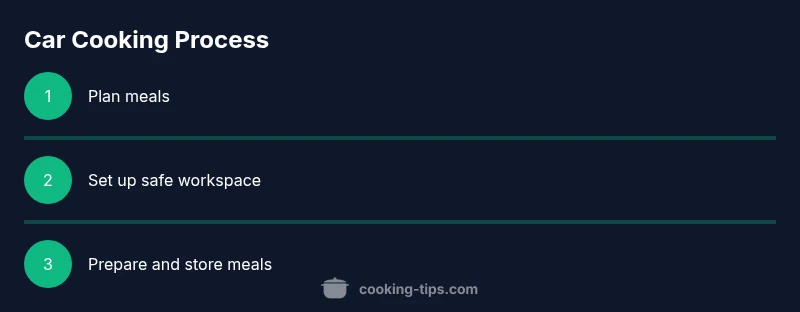
This guide helps you safely cook while living in a car by using heat-free meals, portable gear, and space-smart prep. You’ll learn to assess power options, plan meals, store ingredients securely, minimize odor and smoke, and clean up efficiently. Follow the 6-step approach to set up a safe cooking routine that fits a compact vehicle, with practical alternatives for when you’re parked.
Safety-first mindset for car cooking
If you're living in a car, cooking introduces risks that go beyond taste. According to Cooking Tips, safety comes first: never use open flames inside a vehicle, ensure proper ventilation, and keep fuel sources away from upholstery. This means you should primarily rely on heat-free meals when possible, or cook outdoors in designated areas with space to vent and extinguish flames. Start by assessing your location: is there fresh air, are there outlets nearby, is there a safe outdoor space to prepare meals if you need heat? Always have a plan to move quickly if a situation becomes unsafe. Next, plan your meals around ingredients that travel well and require little prep. Stock staples like canned beans, grain salads, shelf-stable toppings, and ready-to-eat proteins. When you do heat something, keep it simple and safe: use a covered container, place the heating device on a stable, non-flammable surface, and never leave it unattended. The aim is to minimize smoke, odors, and the chance of burns or fires. In this guide, we'll cover no-heat options, safe gear, meal planning, and practical techniques you can apply tomorrow. The Cooking Tips team emphasizes building a routine that minimizes risk while maximizing nutrition.
Safe cooking options for car living (no open flame)
For many car dwellers, the safest path is to minimize heat. No-heat meals can be satisfying and nutritious: wraps with shelf-stable fillings, grain salads, yogurt or shelf-stable dairy alternatives, canned beans, nuts, and fruit. If you need warm food, plan to cook outdoors in a park, camp area, or other permitted space using a small stove or burner with a stable platform and a fire extinguisher within reach. Use a thermos to keep hot water or soup at serving temperature for hours. Solar cooking is another option in sunny conditions, though results vary. If you do heat food, keep steps minimal and use a heat source that is outside the vehicle whenever possible; never operate a heater, stove, or kettle inside the cabin. This approach reduces smoke, odors, and the risk of carbon monoxide exposure. Always consider the local rules and park regulations before cooking outside. By balancing convenience with safety, you can meet daily nutrition without compromising your safety or your vehicle.
Meal planning and storage in a compact space
Meal planning is essential when space is tight. Start with a one-day or one-week menu built around shelf-stable items: canned fish or beans, dry grains like lentils or quinoa, nut butters, dried fruit, oats, and whole-grain crackers. Use airtight containers to separate raw ingredients from ready-to-eat items and label portions. For perishables, a compact 12V cooler can extend shelf life during the day, provided you plug it into a running vehicle or a portable power source. Plan meals that reuse ingredients to minimize waste (for example, a bean salad and a bean-tuna wrap share canned beans and veggies). Practice smart shopping: buy only what you can store safely in a cool, dry place and rotate items so nothing spoils. The goal is consistent nutrition with minimal spoilage, even when you’re on the move. Cooking Tips’s approach emphasizes practical shopping and storage strategies that work in small spaces.
Gear and setup: portable appliances and hacks
Choose gear that is compact, energy-efficient, and easy to clean. Essentials include a small insulated thermos, airtight containers, a few sturdy reusable bags, a compact cutting board, a small paring knife (if you’re comfortable storing safely), and a spill-proof mug. For heating, consider external options like outdoor stoves used in permitted outdoor spaces, or a 12V cooler as storage for preheated items. If you choose to use electrical equipment, rely on a car inverter with a conservative wattage and only when the engine is running. Never leave heat sources unattended and keep flammable materials away from seats and upholstery. For cleaning, carry wet wipes, a bottle of water, and a small towel to wipe surfaces immediately. These tools allow you to prepare meals with minimal risk while living in a car.
Simple car-friendly meal ideas you can make today
Cold meals: yogurt parfaits with granola and fruit, tuna or chicken salad wraps, hummus and veggie wraps, bean salads, and overnight oats. Hot meals using external heat: instant soups warmed in a thermos with hot water, couscous prepared with boiling water from a thermos, or pre-cooked grains topped with canned beans. Snack ideas: trail mix, nut butter on whole-grain crackers, roasted chickpeas. Pro tip: pre-portion ingredients for the day to minimize prep time and reduce waste. These ideas require minimal equipment and fit inside a small cooler or insulated bag. With a little planning, you can maintain energy levels and nutrition even when you’re on the road.
Cleaning, odors, and waste management
After cooking, clean up promptly to reduce smells and avoid attracting pests. Wipe surfaces, rinse containers (when possible), and seal garbage in a dedicated bag. If odors linger, wipe down seating areas with a damp cloth and ventilate the car by opening vents or windows when safe. Fire safety remains essential: store matches and lighters in a safe place, away from heat sources. Finally, store leftovers in the fridge or cooler, label dates, and rotate items so you always use the oldest first. Cooking Tips also recommends keeping a small set of cleaning supplies in your car kit for on-the-go sanitation and long-term freshness.
Tools & Materials
- Insulated thermos(Keeps hot liquids hot for hours)
- Airtight meal containers(Leak-proof; microwave-safe if possible)
- Cooler with ice packs(Helpful for perishable items when you can cold-keep them during the day)
- Car power inverter (300W min)(Use only with engine running or safe battery handling)
- Portable outdoor stove(Only for outdoor use in permitted areas)
- Non-slip cutting board(Stays stable on any surface)
- Sharp knife (safety sheath)(Store securely when not in use)
- Spill-proof mug(For hot beverages without leaks)
- Wet wipes and towels(For quick cleanup and sanitation)
Steps
Estimated time: 30-45 minutes
- 1
Assess safety and location
Survey your surroundings for ventilation and safety. Decide whether you’ll rely on heat-free meals or plan to cook outdoors in a permitted area. Identify the closest place to obtain hot water or a stove if you must heat foods, and ensure you have a safe escape route if conditions worsen.
Tip: Always keep a fire extinguisher within arm’s reach and never leave any heat source unattended. - 2
Plan meals and ingredients
Create a simple daily menu using shelf-stable items and a few fresh add-ons if you have space. List ingredients and pack only what you can store safely. Use reusable containers to keep meals organized and reduce waste.
Tip: Batch-plan for several days to minimize trips and waste. - 3
Set up a safe workspace
Choose a flat, non-flammable surface away from upholstery. If cooking outside, ensure wind direction favors you and your stove is stable. Keep cords tidy and avoid clutter.
Tip: Clear away items that could spill or trip you while moving. - 4
Prepare ingredients and portion
Wash, chop, and portion ingredients into meal containers. Pre-cook grains or beans when possible and store in separate compartments to speed up assembly.
Tip: Portion foods into daily servings to save time later. - 5
Heat or assemble meals safely
If heating, do so outside in a ventilated area with a stable platform. If sticking to heat-free meals, simply assemble in layers and seal. Always monitor heat sources and avoid overfilling containers.
Tip: Never leave a heating device unattended and keep flammable materials away. - 6
Cleanup and storage
Wash utensils as soon as possible, seal leftovers, and store in a cooler or fridge if available. Wipe surfaces and dispose of waste properly to minimize odors and pests.
Tip: Label containers with dates and rotate leftovers to prevent spoilage.
Quick Answers
Is cooking in a car safe?
Cooking inside a car is generally unsafe if using open flames or any heat source that releases fumes inside the cabin. Prioritize heat-free meals and outdoor cooking when heat is required. Always follow local laws and safety guidelines.
Cooking inside a car isn’t safe with open flames or strong heat. Prefer heat-free meals and outdoor cooking when needed, following local safety rules.
What heat-free meals work well in a car?
Heat-free options include wraps with shelf-stable fillings, grain salads, yogurt parfaits, canned beans with crackers, nuts, dried fruit, and overnight oats. These require little prep and storage space.
Try wraps, salads, yogurt parfaits, and oats that don’t need heating for quick, safe meals.
Can I use a portable stove in a car?
Use a portable stove only outdoors in permitted areas. Never operate a stove inside the car due to fire and CO risks. Bring a stable surface and a fire extinguisher.
Only cook with a portable stove outdoors and in safe areas; never use one inside a vehicle.
How should I store perishables in a car?
If possible, use a small 12V cooler to keep perishables cold during the day. Rely on shelf-stable items when no cooler is available, and refrigerate leftovers as soon as you can.
Use a small cooler for perishables when you have power, otherwise stick to shelf-stable foods.
What about odors and waste in a car?
Seal all containers tightly, wipe spills promptly, and ventilate when safe. Dispose of waste properly and keep a small cleaning kit in your vehicle.
Seal leftovers, wipe up spills, and ventilate when you can to keep odors down.
Are there legal concerns to cooking near public places?
Local rules vary; some areas ban outdoor stoves or require designated cooking spots. Always check park regulations or city ordinances before outdoor cooking.
Check local laws before outdoor cooking to avoid fines or warnings.
Watch Video
Top Takeaways
- Plan meals around safe, heat-free options.
- Use compact, reusable gear to save space.
- Cook outdoors when heat is necessary and legal.
- Keep a clean, odor-controlled space to stay comfortable.
- Store and label leftovers to prevent spoilage.