How to Cook Ham in Oven: A Practical Guide for Home Cooks
Learn to cook ham in the oven with a reliable, step by step method. This guide covers choosing, thawing, roasting, glazing, and resting for juicy slices every time.


In this guide you’ll learn how to cook ham in oven from start to finish: selecting the right ham, thawing safely, roasting at a gentle temperature, glazing for flavor, checking doneness with a thermometer, and resting before carving. Expect juicy slices and reliable results every time.
The Basics of Oven-Cooking Ham
Cooking ham in the oven is a reliable way to achieve a tender interior with a flavorful, caramelized exterior. Whether you buy bone-in or boneless, fully cooked or raw, the approach revolves around two ideas: steady, moderate heat and a thermometer that guides doneness. This section covers how to choose the right cut, how bone presence affects heat, and why thawing matters. When you learn how to cook ham in oven, the goal is a uniform, juicy slice with a glossy glaze. Start by deciding if you want a sugared glaze or a savory rub, then plan the preheat, roasting, and resting steps. The more you know about heat transfer and fat rendering, the more predictable your results will be, even for a holiday crowd. In practice, you’ll want to maintain a gentle oven around 325°F (165°C) so the ham warms through without drying out. A thermometer will prevent under- or over-cooking, guiding you toward the ideal internal temperature for safety and tenderness. Finally, note that pre-scored fat or scored skin can help the glaze render and crisp in the final phase. By adjusting options like the glaze timing and whether the ham is buttered or brined, you tailor the roast to your family’s tastes.
Throughout, we’ll reference the Cooking Tips approach to food safety and best practices. The aim is to help you know how to cook ham in oven with confidence, whether you’re feeding a weeknight meal or a holiday crowd. By the end of this section, you’ll know how to pick the right cut, assess marbling and bone presence, and set yourself up with the basic equipment needed for a successful roast.
Preparing Your Ham: Thawing, Trimming, and Prepping
Before you put the ham in the oven, proper preparation matters. If you’re starting with a frozen piece, thaw it safely in the fridge for long enough to allow even heat distribution; a slower thaw reduces the risk of uneven cooking. Pat the surface dry to help browning and glaze adhesion; moisture on the surface can steam rather than roast. For bone-in hams, you may notice more moisture and a different heat path than boneless cuts, so adjust your expectations and timing accordingly. Scoring the fat in a diamond pattern is optional but recommended if you want a crisp finish along with the glaze. When trimming, trim only the excess fat and rind; leaving a thin fat cap protects the meat and renders down as it roasts. If your ham arrives pre-glazed, you can skip a second glaze or plan a separate glaze application during the last portion of cooking. Finally, bring the ham to room temperature for 20-30 minutes before it goes into the oven to promote even heating. This preparation stage helps the ham cook more consistently and accepts flavors from your glaze more readily.
Safe Handling and Food Safety
Food safety matters at every stage of roasting ham. Always thaw in the fridge or use a safe cold-water thawing method if you are in a pinch, changing the water every 30 minutes to maintain a safe temperature. Keep raw ham separated from ready-to-eat foods, wash hands and surfaces often, and use clean utensils when transferring meat to the pan. When cooking, insert a meat thermometer into the thickest part of the ham without touching bone to get an accurate reading. For fully cooked hams, you are aiming for a safe internal temperature that reheats the meat without drying it out. Avoid leaving ham at room temperature for more than two hours, and refrigerate leftovers promptly after serving. Taste and texture are influenced by handling, so cleanliness and proper cooling are essential to a reliable roast.
Flavor Ideas: Glazes and Rubs
A glaze can transform a simple roast into a celebration dish. Classic options include a maple or honey glaze with a touch of mustard, a brown sugar and soy glaze for depth, or a citrus-based glaze to brighten the meat. For a savory profile, mix herbs, garlic, and Dijon with a thin glaze that won’t burn at high heat. Apply a thin layer during the early roasting phase, then brush on a second, richer layer in the final third of cooking to create a glossy finish. If you prefer a dry rub, combine paprika, garlic powder, pepper, and brown sugar for a balanced crust that caramelizes in the oven. Remember: sugar-based glazes can burn quickly, so time their application to the last portion of cooking and always monitor closely.
Step-by-Step: The Classic Roast
This section is the heart of the process, offering a clear sequence that helps you master the oven roast. It blends prep, heat management, and the moment of truth when the glaze meets the hot surface. The goal is to render fat slowly, achieve an even color, and ensure the interior reaches a safe, tender state. The classic roast is approachable for beginners yet robust enough for experienced cooks, making it a reliable technique for family dinners and holiday meals alike. As you work through the steps, you’ll notice that time is a variable dependent on size, shape, and whether the ham is bone-in or boneless. Always prioritize a thermometer over a clock for best results.
Troubleshooting Common Issues
Roasting ham comes with common hiccups that show up even for confident cooks. If the surface browns too quickly, tent the ham with foil to slow browning while the interior finishes. If the glaze seems to burn, remove the pan briefly, brush on a fresh layer after reducing heat slightly, and keep a close watch during the last phase. If the meat seems dry, check the internal temperature and consider finishing with a quick glaze and a short rest to rehydrate the fibers. Conversely, if the ham is underdone, extend roasting time in small increments, and recheck with the thermometer. Safety first means not rushing the process and letting the meat rest before slicing to lock in juices.
Serving and Resting for Maximum Juiciness
Resting is a crucial step in any roast ham. After removing from the oven, tent loosely with foil and let the meat rest for 10-15 minutes. This pause lets juices redistribute and ensures that slices are moist rather than watery. Slice against the grain to maximize tenderness, and consider a final brush of warmed glaze for a polished finish. For larger hams, you may rest longer, but avoid extended exposure to the air to prevent drying. Serve with sides that complement the glaze’s flavor profile and provide a balanced meal.
Quick Reference: Time, Temperature, and Glazes
While ovens vary, a few baseline ideas help you plan ahead. Preheat to a moderate temperature, around 325°F (165°C), then roast until the internal temperature meets your target. If you are using a glaze, apply it toward the end of cooking to avoid burning. Have a thermometer ready and monitor progress as the ham cooks. Use rest time to your advantage and plan sides that pair well with the glaze’s flavor profile, ensuring a cohesive meal.
Tools & Materials
- Meat thermometer (instant-read or probe)(Digital preferred; insert into the thickest part away from bone)
- Roasting pan with rack(Allows air to circulate and fat to drain)
- Aluminum foil(For tenting if the surface browns too fast)
- Basting brush (silicone)(Helpful for applying glaze evenly)
- Carving knife and cutting board(Sharp knife; slice against the grain)
- Oven mitts(Heat-resistant for handling hot pans)
Steps
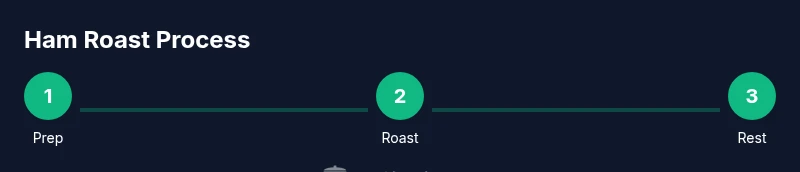
Estimated time: Total time varies by ham size; expect roughly 2-3 hours including prep, roasting, and resting.
- 1
Preheat oven and prep pan
Set the oven to 325°F (165°C) and position the rack in the middle. Place a rack in the roasting pan so the ham sits above the drippings and heat circulates evenly. This ensures a uniform roast and helps the glaze develop without pooling.
Tip: Preheating ensures even heat distribution; give the oven 15 minutes to reach temperature before loading the meat. - 2
Prepare the ham
If needed, pat the ham dry and trim excess fat or rind to your preference. Score the fat in a diamond pattern to help the glaze render and flavor penetrate. Bring to room temperature for 20 minutes to promote even cooking.
Tip: Lightly score the fat; deeper cuts aren’t necessary for most roasts and can dry the surface. - 3
Place in pan and start roasting
Place the ham on the rack in the pan, bone-in or boneless as suitable. Put it in the preheated oven and roast for 60-90 minutes, or until the surface begins to brown and the meat takes on color.
Tip: If your ham is pre-glazed, hold off on the glaze until the final third of cooking to avoid burning. - 4
Apply glaze and continue roasting
Brush the glaze evenly over the ham and return to the oven. Reapply glaze a second time during the last third of cooking to build a glossy finish.
Tip: Use a separate brush for glaze to prevent cross-contamination with raw meat. - 5
Check internal temperature
Use the thermometer to check the thickest part of the ham, avoiding bone. For fully cooked ham, aim for 140°F (60°C) and remove from heat; for raw hams, follow package directions and your thermometer readings.
Tip: Temperature is the best guide; avoid relying solely on cooking time. - 6
Rest before carving
Tent loosely with foil and let the ham rest for 10-15 minutes. Resting helps redistribute juices and improves slicing texture.
Tip: Resting is as important as cooking; skip it and slices may be dry. - 7
Slice and serve
Slice against the grain for the most tender results. Serve with sides that complement the glaze or glaze the cut slices lightly for a cohesive finish.
Tip: Cut slices gently to keep them from tearing and losing juices.
Quick Answers
How long should I roast a ham in the oven?
Roasting time depends on ham size and whether it is bone-in or boneless. Rely on an accurate internal temperature reading, not a fixed clock. Fully cooked hams benefit from shorter times at moderate heat with a finishing glaze.
Roast time varies with size and bone; use a thermometer to guide you and finish with a glaze.
What internal temperature should I target for ham?
For fully cooked ham, aim for about 140°F (60°C) when reheating. If starting from raw, follow pork cooking guidelines and reach safe temperatures per your local guidelines.
Target about 140 degrees Fahrenheit for fully cooked ham; adjust if starting from raw meat.
Can I glaze the ham early or do I need multiple coatings?
Glaze toward the end of roasting to prevent sugar from burning. You can apply a light first coat if you want extra flavor, then finish with a richer glaze in the final stretch.
Glaze in the last part of roasting for best color and flavor.
Is it possible to cook ham from frozen in the oven?
Cooking from frozen is possible but requires longer time and careful temperature control. Thawing before roasting yields more even heat and a better glaze.
You can roast from frozen, but it takes longer; thawing gives best results.
What should I do if the glaze burns?
Remove the pan briefly, reduce oven heat, and reapply a fresh glaze later. Keep a close eye during the final minutes of cooking.
If the glaze burns, pull it out, lower heat, and reapply later.
Bone-in vs boneless: does it change the finish?
Bone-in hams can stay juicier due to the bone's moisture but may require slightly longer roasting. Boneless hams heat more evenly and can finish faster.
Bone-in can stay juicier; boneless heats more evenly and often faster.
Watch Video
Top Takeaways
- Choose the right ham early and thaw safely.
- Use a thermometer to hit the target internal temperature.
- Apply glaze toward the end to prevent burning.
- Rest the meat before carving for juicier slices.
- Slice against the grain for tenderness.