How Long to Cook Standing Rib Roast: Timing, Temperature, and Tips
Learn how long to cook standing rib roast with reliable timing, temperatures, and rest times. This expert guide covers weight-based estimates, thermometer targets, and serving tips for juicy, evenly cooked beef.


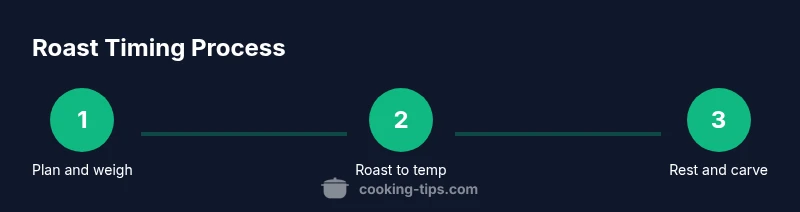
In this guide you’ll learn how long to cook standing rib roast and how to dial in doneness with a thermometer. Start with a well-seasoned roast, bring it to room temperature, and roast until the internal temp reaches your target, then rest to let juices redistribute. You’ll also see weight-based ranges and safe rest times to avoid overcooking. This quick path sets you up for precise results without guesswork.
Why timing matters for standing rib roast
Timing is the backbone of a successful standing rib roast. The simple question 'how long to cook standing rib roast' has no one-size-fits-all answer because weight, bone-in vs boneless, and oven behavior all affect outcomes. According to Cooking Tips, precision matters more than guesswork, and a little planning goes a long way toward juicy, evenly cooked meat. You’ll learn how to map cooking time to weight, how to manage carryover heat, and how resting transforms texture. You’ll also discover why choosing the right cut and allowing it to come to room temperature are crucial steps in achieving a consistently tender roast. If you’re cooking bone-in, factor in the bone’s contribution to heat distribution, which can extend the time slightly. This foundation helps answer the core question for any size and oven: how long to cook standing rib roast for dependable results. The guidance here relies on thermometer-driven precision and practical kitchen rhythm, not guesswork.
How to estimate cooking time by weight
Estimating roasting time by weight provides a solid starting point, but clocks alone will not guarantee perfection. For a bone-in standing rib roast, typical guidance suggests roughly 12–15 minutes per pound for rare, about 15–18 minutes per pound for medium-rare, and 20–25 minutes per pound for medium to well done, with variation depending on oven accuracy, roast thickness, and whether you’re bone-in or boneless. The Cooking Tips Team emphasizes using a thermometer early in the process to refine your target. Weigh the roast with the bone in, and consider trimming weights if you’re aiming for a tighter estimate. Bring the roast to room temperature for 60–90 minutes before roasting to promote even doneness. If you’re cooking a boneless roast, you may shave a few minutes off the per-pound estimates. The key is to start checking internal temperature as you approach the lower end of the range and stop when you reach your desired doneness, allowing for resting and carryover heat. This meat-centric approach makes the question how long to cook standing rib roast more predictable and less error-prone.
Temperature targets and resting for best results
Internal temperature targets beat clock-time every time. A practical plan is to pull the roast a bit before it reaches final temperature to account for carryover heat during resting. For a traditional medium-rare finish, target an internal temperature around 130–135°F, then rest 15–20 minutes tented with foil. For medium, aim toward 140–145°F after rest, and for well-done around 150–155°F, though many cooks prefer slightly lower final temps to preserve moisture. Always verify with a high-quality digital thermometer placed into the thickest part of the roast, away from bone. Resting lets juices redistribute, which improves slicing and tenderness. The USDA provides safety guidance on beef cooking temperatures, which helps establish a reliable baseline for doneness while keeping your kitchen safe. This temperature-first approach aligns with best practices and addresses the main question: how long to cook standing rib roast with confidence.
Roasting method overview
The roasting method blends seasoning, steady heat, and thoughtful timing to yield even doneness from edge to center. Begin with a robust rub and optional sear, then transition to a steady roasting phase. For bone-in roasts, place the bone side down initially to promote browning along the meat and reduce hot spots. Use a rack in a sturdy roasting pan to maximize air exposure and even heat distribution. Preheat the oven to a moderate range (approximately 325–350°F) and adopt a long, gentle cook rather than a short, high-heat burst. If time is tight, a brief finish at higher heat can deepen browning. The goal is a stable roast environment so the interior moves toward the target temperature evenly. Bone-in roasts add flavor and heat distribution, but they also influence cooking time, which is why thermometer-based checks beat time-based estimates every time. This section covers bone-in versus boneless considerations, fat cap management, and how to tie or trim for even thickness. With thermodynamics on your side, you’ll understand exactly how long to cook standing rib roast and what adjustments matter most.
Common mistakes and how to avoid them
Common errors include opening the oven door too often, relying solely on time estimates, and neglecting proper resting. Each interruption dissipates heat and disrupts even doneness. Another pitfall is reading doneness after removing the roast from the oven; carryover heat continues to cook the meat, so plan to pull a few degrees early. Salt and rubs should be applied at least 40–60 minutes before roasting to maximize surface flavor without oversalting the interior. A faulty thermometer or misplacement can produce misleading readings, so invest in a reliable digital probe and insert it into the thickest part away from bone. Ensure your oven is calibrated accurately with an oven thermometer for reliable results. By avoiding these mistakes, you’ll stay aligned with the question of how long to cook standing rib roast and achieve consistently succulent slices.
Authority and safety tips
When it comes to meat safety and reliable doneness, government and university resources are valuable companions. The USDA’s beef cooking temperature guidance and safe-handling recommendations provide a clear baseline and safety checks that home cooks can follow. University extension programs translate these guidelines into practical steps for everyday cooking. To support safe practice and accurate timing, consult the following authoritative sources: - https://www.fsis.usda.gov/food-safety/safe-food-handling-and-preparation/beef - https://www.cdc.gov/foodsafety/ - https://extension.oregonstate.edu/food-safety/beef-and-steak-cooking
Serving, leftovers, and plan for next time
After carving, let the meat rest briefly to reabsorb juices before slicing. Serve with a pan gravy, chimichurri, or a bright herb butter to balance richness. Refrigerate leftovers promptly in shallow containers to cool quickly and safely, then reheat gently to preserve moisture. For future roasts, make notes on the roast weight, bone-in status, and oven behavior to tailor timings and temperatures. The goal is to transform each roast into a reliably delicious meal, with less guesswork on how long to cook standing rib roast and more predictability year after year.
Quick prep checklist and final tips
- Weigh your roast and confirm bone-in or boneless status.
- Bring to room temperature for 60–90 minutes before roasting.
- Preheat oven to 325–350°F and position the rack in the middle.
- Use a reliable meat thermometer and target temps; rest before carving.
- Plan for carryover heat to finish doneness after removing from the oven.
- Keep notes on weight, bone status, and oven behavior to improve future cooks for how long to cook standing rib roast.
Tools & Materials
- Meat thermometer (digital instant-read preferred)(Probe should reach center of the thickest part, away from bone)
- Roasting pan with rack(Heavy pan with rack to elevate beef and promote airflow)
- Wire rack or trivet(Elevates roast and prevents sitting in juices)
- Aluminum foil(Tent roast during rest to retain heat without steaming surface)
- Kitchen scale(Helps with precise weight-based planning)
- Salt, pepper, and optional rub(Season at least 40–60 minutes before roasting)
- Oven thermometer(Verify actual oven temperature for accuracy)
- Pan for jus or gravy(Optional—use drippings for sauce)
Steps
Estimated time: Total time: 2 hours 30 minutes
- 1
Prepare and rest the roast
Remove the roast from the fridge and let it come to room temperature for 60–90 minutes. Pat dry with paper towels, then apply a generous rub of salt, pepper, and any aromatics you prefer. This step reduces chill and helps surface browning once roasting begins.
Tip: Allow ample time for the meat to come to room temperature to improve evenness of doneness. - 2
Preheat oven and set up roasting area
Preheat the oven to 325–350°F. Place a rack in the roasting pan and position the roast bone-side down if bone-in to promote even browning. Confirm the oven temperature with an oven thermometer to ensure consistent results.
Tip: A steady temperature prevents hot spots and helps the interior reach target temps more predictably. - 3
Season and optional sear
Season generously and, if you like a pronounced crust, briefly sear the roast at a high heat for 5–10 minutes before lowering to roasting temperature. Searing is optional but yields a richer crust. Place the roast back into the oven once searing is complete.
Tip: Searing is a flavor-forward step but not required for success. - 4
Roast and monitor internal temperature
Roast with the thermometer inserted into the thickest part away from bone, checking progress every 20–30 minutes. Pull the roast when it’s 5–10°F below your target to account for carryover heat during resting.
Tip: Rely on internal temperature, not clock time, for precise doneness. - 5
Rest before carving
Tent the roast with foil and let it rest 15–20 minutes. Resting redistributes juices and completes the cooking process, resulting in juicier slices.
Tip: Do not skip resting; it dramatically affects texture and juiciness. - 6
Carve and serve
Carve along the rib bones for an elegant presentation, slicing against the grain for tenderness. Serve with pan gravy or a complementary sauce.
Tip: Slice just before serving to keep slices warm and juicy.
Quick Answers
What is the best internal temperature for standing rib roast?
Most cooks aim for medium-rare, around 130–135°F before resting. After resting, the target will settle. You may adjust to your preference, but avoid overcooking.
Aim for medium-rare around 130–135°F before resting; rest finishes the cooking and keeps the meat juicy.
Should I sear the standing rib roast before roasting?
Searing adds crust and flavor but isn’t strictly required. If you have time, a quick initial sear can improve browning; otherwise, a well-seasoned roast roasted at a steady temperature will still be delicious.
Searing isn’t required, but it enhances crust and flavor if you have time.
How long should resting time be after roasting?
Rest the roast for 15–20 minutes to allow juices to redistribute and carryover cooking to finish. Longer rests can be beneficial for very large roasts.
Rest for about 15 to 20 minutes to keep juices in and finish the cooking softly.
Is bone-in standing rib roast better than boneless?
Bone-in roasts can add flavor and guide heat, but they can also extend cooking time slightly. Boneless roasts cook a bit more evenly and can be easier to slice.
Bone-in can add flavor but may take a bit longer; boneless cooks more evenly and may be easier to slice.
Can I roast ahead and reheat leftovers safely?
Roasting ahead is possible; refrigerate promptly and reheat gently to retain moisture. Fresh roasting is often preferred for best texture and taste.
You can roast ahead, but reheat gently to keep moisture.
Watch Video
Top Takeaways
- Use a thermometer for precise doneness.
- Rest 15–20 minutes to finish cooking and reabsorb juices.
- Weigh the roast and account for bone-in timing.
- Follow safety temps from credible sources for best results.