Cooking Steak in the Oven: A Step-by-Step Guide
Master the oven method for steak with a quick sear, even finish, and reliable doneness. Learn cut selection, timing, resting, and simple pan sauces from Cooking Tips for consistent, delicious weeknight steaks.


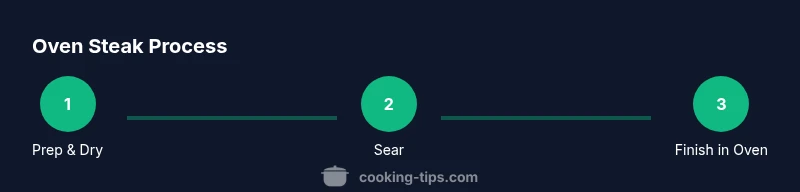
Cooking steak in the oven combines the flavor of a good sear with the even doneness of baking. Start by patting the steak dry, seasoning well, and using a high-smoke-point oil. Sear briefly on the stove, then finish in a hot oven until the interior reaches your preferred doneness. This method yields a crusty exterior and juicy center.
Why Oven Cooking Works
Oven cooking works for steak because it provides steady, even heat that reaches the steak’s interior without overcooking the crust. A brief, high-heat sear develops the essential Maillard crust, locking in juices and adding flavor. Finishing in the oven ensures a gentle, controlled rise in temperature, reducing the risk of an overcooked outside while the inside remains tender. The Cooking Tips team often uses this approach when grilling isn’t convenient, because it delivers reliable results with minimal equipment.
In practice, this method mimics the restaurant technique of starting with a hot pan to create crust, then transferring to an oven to finish. Your kitchen becomes a compact “two-zone” cooking zone: a blazing surface for searing and a hot oven for finishing. The key is balance: enough heat to crust without burning, and enough time for the interior to reach your target doneness without drying out. For home cooks, this translates to a simple rhythm: prep, sear, finish, rest, and serve. Successful oven steak relies less on exact numbers and more on visual cues, texture, and a reliable thermometer used as a precise guide for doneness.
Choosing the Right Cut and Prep:
Tools & Materials
- Cast-iron skillet or heavy oven-safe skillet(Prefer 12-inch size for a good crust and comfortable space for the steak.)
- Tongs(Used for turning steak with control to avoid piercing the meat.)
- Meat thermometer(Aim for doneness based on your preference; probe into the thickest part away from fat.)
- Paper towels(Pat dry thoroughly to maximize browning.)
- Salt and freshly ground pepper(Season generously to build a flavorful crust.)
- Oil with high smoke point (e.g., avocado, canola)(Helps prevent sticking and promotes even searing.)
- Optional: oven-safe rack(Elevates the steak for even heat circulation.)
- Plate or cutting board(For resting the steak after cooking.)
Steps
Estimated time: Total time: about 20-25 minutes
- 1
Pat dry and season
Pat the steak dry with paper towels until the surface is free of moisture. Generously season on all sides with salt and freshly ground pepper. The dry surface helps create a crisp crust during searing, while proper seasoning enhances flavor inside and out.
Tip: Dry surfaces brown better; do not skip this step even if you’re in a hurry. - 2
Preheat pan and oil
Heat the skillet over medium-high heat and add a thin layer of oil. The goal is a shimmering surface that’s hot enough to sizzle when the steak touches it. This initial sear forms the flavorful crust.
Tip: If the oil smokes, your pan is too hot—adjust heat to maintain a steady sizzle. - 3
Sear the steak on the stove
Place the steak in the hot pan and sear without moving for a minute or two, until a golden-brown crust forms. Flip and sear the other side briefly to lock in juices.
Tip: Don’t crowd the pan; a crowded pan lowers temperature and reduces browning. - 4
Finish in the oven
Transfer the pan to a hot oven and finish until the interior reaches your preferred doneness. Use the thermometer as a guide and check periodically for consistency.
Tip: Turn the pan or move the steak slightly for even heat exposure if your oven has hot spots. - 5
Rest before slicing
Remove the steak from the oven and let it rest on a clean plate for a few minutes. Resting allows juices to redistribute, ensuring a juicier slice.
Tip: Resist the urge to cut immediately; slicing hot meat releases juices and dries the center.
Quick Answers
Can I skip searing and still cook steak in the oven?
Searing adds flavor and color and helps protect the interior from overcooking. It’s not strictly required, but it’s highly recommended for best texture and taste.
Searing adds flavor and color; it’s recommended for a superior crust and juiciness.
What doneness levels can I achieve with this method?
This method can produce common doneness levels such as rare, medium-rare, and medium by adjusting finish time and using a thermometer as a guide.
You can target rare, medium-rare, or medium by watching the internal temperature.
Should I use butter or oil for searing?
Oil with a high smoke point is best for the initial sear to avoid burning. Butter can be added later for flavor, but it risks burning at high heat.
Use a high-heat oil for the sear, then finish with a little butter if you like.
How long does it take to cook a steak in the oven?
Total time depends on thickness and doneness, but you can estimate by monitoring the internal temperature with a thermometer rather than relying on guessing.
Time depends on thickness; use a thermometer to guide when it reaches the target doneness.
Can I cook multiple steaks at once?
Yes, but ensure they have space around each piece for heat to circulate. Use similar thickness for even cooking.
You can cook several steaks at once if they’re spaced apart and of similar thickness.
Watch Video
Top Takeaways
- Pat dry the steak for a crisp crust
- Sear first, then finish in a hot oven
- Use a thermometer to hit your preferred doneness
- Rest briefly to keep the juices in the meat