Cook Beef Short Ribs: A Comprehensive How-To Guide
Master how to cook beef short ribs to fork-tender perfection with a reliable braising method. Learn selection, browning, braising, finishing, and serving tips for flavorful results every time.


By the end of this guide you will know how to cook beef short ribs into fork-tender, deeply flavored meat using a reliable braising method. You’ll learn how to select ribs, brown them for depth, braise with aromatics, and finish with a glossy sauce. The approach emphasizes even heat, patience, and proper resting, with practical tips along every step.
Introduction: How to cook beef short ribs for maximum flavor
In this guide to cook beef short ribs, we cover a reliable braising method that yields fork-tender meat and a deeply flavored sauce. According to Cooking Tips, the core of great results lies in choosing the right cut, developing a rich base via browning, and braising with a well-balanced liquid. This approach keeps things practical for home cooks, with steps that are straightforward and repeatable. You’ll learn how to plan, prep, sear, simmer, and serve with confidence.
Choosing the Right Cut and Prep
The best results start with a quality cut. For braising, bone-in beef short ribs are commonly preferred because the bone adds flavor and helps keep the meat moist during long cooking. When selecting ribs, look for meat that covers the bone, with a good amount of marbling and a firm bite. Trim any excess silver skin, pat dry to promote proper browning, and season generously with kosher salt and freshly ground black pepper. Proper prep sets up a successful cook beef short ribs session and reduces risk of a dull, stringy texture.
Browning for Depth: Maillard Reaction
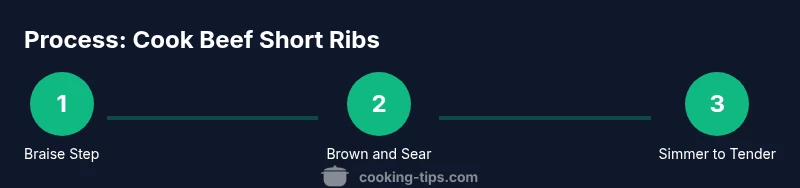
Browning is where flavor begins. Pat the ribs dry, then sear in a hot, heavy pot in batches to avoid crowding. Aim for a deep mahogany crust on all sides—this Maillard reaction creates a rich, caramelized depth that underpins the final sauce. Keep the heat steady and avoid moving the meat too soon; patience here pays off in color and complexity. After searing, set the ribs aside and reserve the fond for deglazing.
The Braising Method: Liquid, Time, and Temperature
Braising combines moisture, low heat, and time to tenderize tough connective tissue. Return the ribs to the pot and add aromatics (onion, carrot, celery, garlic), then deglaze with wine or stock to lift the browned bits. Cover and braise in a low oven (around 325°F/163°C) or on the stove for 2.5–3 hours, until the meat is fork-tender. The liquid should reduce to a glossy, flavorful sauce; adjust with salt and pepper as it finishes.
Finishing Touches and Serving Ideas
Rest the ribs briefly after braising to allow juices to redistribute. Skim excess fat from the surface and, if desired, simmer the braising liquid to concentrate into a glaze. Serve over mashed potatoes, polenta, or creamy grits, with the sauce spooned over top. Fresh herbs, a squeeze of lemon, or a light sprinkle of flaky salt can brighten the plate. These ribs shine when plated with simple, comforting sides.
Variations and Flavor Profiles
If you want to experiment, try red wine reductions, beer braises, or a touch of tomato paste for depth. A splash of balsamic or a hint of cocoa powder can introduce new layers without overpowering the meat. For a modern twist, finish with a small pat of butter whisked in at the end for a velvety glaze. The goal remains to cook beef short ribs until the meat is tender and the sauce is lush and balanced.
Troubleshooting Common Issues
Tough meat typically means the braise time was insufficient or the heat was too high during braising. If the sauce tastes flat, it likely needs more reduction and seasoning. Watery sauce usually indicates too much liquid or insufficient time for reduction; simmer until the sauce coats the back of a spoon. If bones appear dry, ensure the ribs are submerged and check your oven temperature with a thermometer for accuracy.
Make-Ahead, Storage, and Reheating
Leftovers store well in the fridge for 3–4 days or freeze for longer. Reheat gently on the stove or in the oven, adding a touch of stock if the sauce thickens too much. The flavors often deepen after resting, making this dish ideal for make-ahead meals or entertaining.
toolsMaterialsInfoTypeOnlyForBlockDataEnrollmentMainAudienceChunksOnlyNotRequiredButHelpfulForTheSystemToSatisfyConsistencyAndSpeed: null
Tools & Materials
- Beef short ribs (bone-in)(Approximately 1.5–2.5 lb per rack; two racks for 4 servings.)
- Kosher salt(Coarse salt preferred for even seasoning.)
- Black pepper(Freshly ground for aroma.)
- Flour (optional for dredging)(Light dusting helps with browning and sauce body.)
- Neutral oil (e.g., vegetable, canola)(High-smoke point for searing.)
- Yellow onion(Chopped for base aromatics.)
- Carrot(Chopped for sweetness and depth.)
- Celery(Chopped for balance.)
- Garlic(Crushed or minced.)
- Tomato paste(Adds color and richness if desired.)
- Beef stock or broth(Approximately 3–4 cups; adjust for pot size.)
- Red wine (optional)**(Use a sturdy wine for deglazing if desired.)
- Fresh thyme(A few sprigs for aroma.)
- Bay leaves(Classic braise aromatics.)
- Butter (optional for finishing)(A pat at the end enriches the glaze.)
Steps
Estimated time: 2.5–3 hours total
- 1
Preheat and prep
Preheat your oven to 325°F (163°C). Choose a heavy, oven-safe pot with a lid and set it on the stove to heat. While the oven warms, pat the ribs dry and season generously with salt and pepper so they brown well, not steam.
Tip: Dry ribs well for a better sear; moisture is the enemy of color. - 2
Dry, season, and brown in batches
Pat ribs completely dry, then brown in batches to avoid crowding. Sear until deeply caramelized on all sides, about 4–5 minutes per side. Remove and set aside; the fond on the bottom of the pot will form the flavor base for the braise.
Tip: Crowded meat steams instead of sears—brown in batches. - 3
Sauté aromatics
In the same pot, add chopped onion, carrot, and celery. Sauté until translucent and lightly browned, about 5–7 minutes. Add garlic and cook for another 30 seconds to wake the aroma.
Tip: Escalate flavor with a light caramelization of the aromatics. - 4
Deglaze and build the braise
Stir in tomato paste (if using) and cook 1–2 minutes. Pour in red wine or broth to deglaze, scraping up the browned bits. Return ribs to the pot with enough liquid to come halfway up the ribs.
Tip: Deglazing lifts the tasty bits from the pan into the sauce. - 5
Braise gently in the oven
Cover the pot and transfer to the oven. Braise for about 2.5–3 hours, until the meat is fork-tender and nearly falling off the bone. Check halfway and add more stock if necessary to keep the ribs partially submerged.
Tip: Low, steady heat is key to breaking down connective tissue. - 6
Finish and reduce the sauce
Carefully remove the ribs and simmer the braising liquid on the stove to reduce to a glossy glaze, about 10–15 minutes. Taste and adjust seasoning with salt and pepper. Return the ribs briefly to coat in the glaze.
Tip: A glossy glaze clings to the meat and intensifies flavor. - 7
Rest and serve
Let the ribs rest for 5–10 minutes before serving to redistribute juices. Serve with the reduced sauce over mashed potatoes, polenta, or roasted vegetables for a complete meal.
Tip: Resting prevents juice loss when you cut into the meat. - 8
Make-ahead and storage
The braise improves with a rest time; leftovers store well in the fridge for 3–4 days or freeze for longer. Reheat gently and add a splash of stock if the sauce thickens in storage.
Tip: Chill the liquid before reheating to skim fat easily.
Quick Answers
What cut works best for braising beef short ribs?
Bone-in short ribs are typically preferred for braising because the bone adds flavor and helps retain moisture during long cooking. Choose ribs with good marbling for tenderness.
Bone-in ribs work best for braising because they add flavor and moisture during long cooking.
Can I use a slow cooker instead of the oven?
Yes, you can braise in a slow cooker. Brown the ribs first, then transfer to the slow cooker with aromatics and liquid. Cook on low for 6–8 hours until tender.
You can brown first, then slow cook on low for 6 to 8 hours for tender ribs.
How long should I braise beef short ribs?
Plan for about 2.5–3 hours in a 325°F oven, or until the meat is fork-tender and the sauce has thickened. Check occasionally and adjust liquid if needed.
About two and a half to three hours in the oven, until tender.
Can leftovers be frozen?
Yes, leftovers freeze well. Store in airtight containers for 2–3 months. Thaw in the fridge, then reheat gently with a splash of stock to loosen the sauce.
Leftovers can be frozen for a couple of months and reheated gently.
What sides pair well with beef short ribs?
Mashed potatoes, polenta, or creamy grits make classic, comforting pairings. A bright vegetable like roasted carrots or greens balances the richness.
Pair with mashed potatoes or polenta for a comforting, balanced meal.
Can I speed up the recipe for weeknights?
To save time, you can use pre-cut vegetables and a smaller batch of ribs. Keep the braising liquid simmering longer to concentrate flavors, but monitor for dryness.
You can speed things up with pre-cut veg and smaller rib batches, but flavor builds with time.
Watch Video
Top Takeaways
- Brown for flavor depth and color.
- Braise slowly for tender connective tissue.
- Reduce braising liquid to make a glossy glaze.
- Rest before serving for juicy, flavorful ribs.