Can You Pressure Cook Instead of Slow Cook? A Practical Guide for Home Cooks
Can you pressure cook instead of slow cook? Learn how to swap methods, adjust timing and ingredients, and safely convert slow-cooker recipes for pressure cookers in everyday meals.


Yes. You can pressure cook instead of slow cook for many dishes, gaining tenderness and flavor in a fraction of the time. Expect differences in browning, moisture, and flavor development, and be ready to adjust liquids and seasonings. Always follow your pressure cooker’s manual and safety guidelines.
Why speed matters for busy cooks
According to Cooking Tips, speed in the kitchen is a major productivity boost for home cooks who juggle work, family, and meals. Pressure cooking offers a practical alternative to traditional long braises, delivering tender proteins and richly flavored sauces in a fraction of the time. This section explores when speed is a real asset, how pressure cooking achieves it, and what to watch for when you switch from slow cooking. You’ll find practical guidance for common proteins like chicken, beef, pork, and legumes, along with notes about altitude, gasket maintenance, and equipment compatibility. In most kitchens, a modern pressure cooker or multi-cooker can handle a wide range of recipes, from simple stews to complex braises, with consistent results when you follow safe practices. According to Cooking Tips, many home cooks appreciate the time savings without sacrificing flavor when done thoughtfully, making pressure cooking a viable complement to slow cooking.
Why speed matters for busy cooks
When you need dinner on the table quickly, pressure cooking is a powerful ally. It uses high pressure to raise the boiling point of liquids, which accelerates the breakdown of collagen in meats and the softening of beans. This means you can go from tough cuts to fork-tender textures in a fraction of traditional braising times. The technique is highly forgiving when you follow basic rules: use enough liquid to create steam, avoid overfilling, and release pressure safely. For weeknights, this method shines for stews, curries, and braises that normally sit on the stove for hours. However, browning and caramelization’s role in depth of flavor remains important, so plan to sear ingredients before pressure cooking and finish with a quick simmer if you want a richer sauce.
Key differences in flavor, texture, and timing
Pressure cooking concentrates flavors quickly because moisture and heat are trapped inside the vessel. Meat can become fork-tender in far less time, while sauces reduce rapidly under pressure, potentially changing the balance of sweetness and salt. Browning before sealing remains crucial to develop Maillard flavors; deglazing after browning captures the fond for a deeper sauce. Vegetables behave differently: root vegetables hold up, while delicate greens can become overcooked if added too early. Timing varies by model and altitude, so start with tested recipes and adjust on subsequent tries. Expect noticeable differences in texture and brightness of sauces compared with slow-cooked counterparts.
When pressure cooking makes sense over slow cooking
Pressure cooking is ideal when you need speed without sacrificing tenderness: beef brisket, short ribs, pork shoulder, beans, lentils, and tougher cuts respond well to high-pressure methods. For many weeknight meals, pressure cooking can replace the multi-hour simmer with a 15–60 minute process, depending on the dish and device. Slow cooking still has its place for layered flavors built over time and for very soft vegetables that may disintegrate under pressure. Use pressure cooking to shave hours off your plan, but don’t force it on every recipe—trust the texture you’re aiming for and the ingredients you have on hand.
How to adapt common slow cooker recipes to pressure cooking
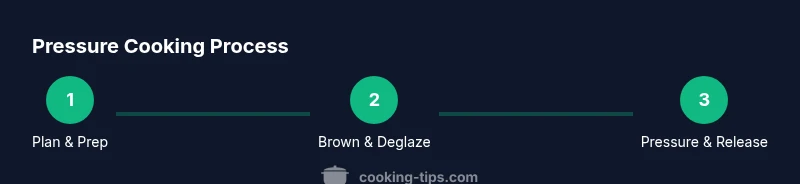
Adapting a slow cooker recipe to pressure cooking requires a small recalibration of liquid, timing, and technique. Start with a flavor map: identify aromatics that benefit from browning, estimate the minimum liquid needed to generate steam, and determine how long the dish should cook under pressure. Browning meat before pressure cooking enhances flavor and color; deglaze the pan to capture fond. Add enough liquid to cover the ingredients halfway and leave some headspace for expansion. Because pressure cooking concentrates flavors, reduce salt slightly and adjust seasonings after release. Always consult your specific appliance’s guidelines for max fill levels and recommended pressure settings.
Safety and best practices
Safety first when swapping from slow cooking to pressure cooking. Ensure the lid locks properly, vents are clear, and gaskets are in good condition. Never exceed the maximum fill line and always use the minimum recommended liquid. If you’re browning, do so in a separate pan or on the sauté function, then deglaze to incorporate fond into the dish. After cooking, release pressure using natural release for braises or quick release for soups, and avoid rapid temperature changes that can cause splatter or burns. Regularly inspect seals and valves, and replace worn parts promptly.
Quick recipe example: Braised chicken and vegetables
Take a classic braised chicken dish and adapt it for pressure cooking. Sear chicken thighs until browned, then remove. In the same pot, sauté onions, garlic, and aromatics to develop flavor. Return chicken, add broth, tomatoes, and vegetables, and seal the cooker. Cook under high pressure for a fraction of the traditional braise time, then perform a natural release for 5–10 minutes before a quick release. Finish with a splash of vinegar or lemon juice, adjust seasoning, and serve over rice or mashed potatoes for a comforting weeknight meal.
Tools & Materials
- Pressure cooker or multi-cooker(Ensure model has sauté/browning function or use a separate pan for browning.)
- Browning pan or skillet(For searing ingredients before pressure cooking.)
- Liquid (broth, stock, or water)(Minimum required to generate steam; check your device’s guidelines.)
- Measuring cups/spoons(Accurate liquids and seasonings matter when pressure cooking.)
- Tongs(For safe handling of hot meat and vegetables.)
- Oven mitts or heat-resistant gloves(Protect hands during browning and venting.)
- Silicone spatula(Helpful for deglazing and stirring without scratching.)
- Kitchen thermometer(Useful to verify internal temps when adapting recipes.)
Steps
Estimated time: Estimated total time: 40-60 minutes
- 1
Review recipe and map to pressure cooking
Read the slow cooker version and decide which steps require browning, how much liquid is needed, and what ingredients tolerate quick changes in texture under pressure. This planning reduces guesswork during the actual cook.
Tip: Note any ingredients that rely on long simmering for texture and plan to add them after pressure is complete if needed. - 2
Prepare ingredients and browning plan
Chop vegetables and season proteins. If browning adds depth, plan to sear in a separate pan before pressure cooking to create fond for the sauce.
Tip: Use a dry pan and high heat to get a robust sear; avoid overcrowding the pan to prevent steaming. - 3
Brown meat and deglaze
Sear meat until well browned, then remove. Deglaze the pot with a small amount of liquid to lift browned bits for the sauce.
Tip: Deglazing captures flavor compounds that would otherwise be lost and builds a richer base. - 4
Add aromatics and liquids
Return meat, add onions, garlic, herbs, and enough broth or water to generate steam without flooding the cooker. Ensure liquid is at or near the minimum required.
Tip: Avoid adding too many thickened sauces at this stage; they can thicken excessively during pressure cooking. - 5
Seal and cook under pressure
Close the lid, set to high pressure, and cook for the recommended time based on the protein and vegetables. Natural or quick release should follow the recipe’s guidance.
Tip: Do not force quick release if the dish has a lot of fiber or connective tissue; natural release helps tenderize further. - 6
Release, finish, and adjust
Release pressure, open, and taste. If the sauce is thin, reduce using a quick simmer or add a slurry to reach desired thickness. Adjust salt and acidity at the end.
Tip: Always taste after pressure release; flavors intensify quickly and may need balance adjustments. - 7
Serve or store
Serve immediately or cool and store in the fridge for later use. Reheat gently to preserve tenderness.
Tip: Refrigerate promptly within two hours to maintain food safety; reheat to piping hot before serving.
Quick Answers
Can I replace slow cooking with pressure cooking for all recipes?
Not every dish translates perfectly. Recipes relying on long flavor development or delicate textures may suffer under pressure. Use pressure cooking for stews, braises, beans, and tougher cuts, then finish with reductions or reductions to adjust flavor as needed.
Most braises and stews adapt well, but some recipes rely on slow simmering for texture or depth; adjust accordingly and finish with a simmer if needed.
Do I need to adjust liquids when pressure cooking?
Yes. Pressure cooking requires enough liquid to generate steam, but you typically use less total liquid than slow cooking because evaporation is minimized. Start with the recipe's minimum and add as needed after release.
You’ll usually use less liquid than in slow cooking; ensure enough to generate steam, then adjust after cooking.
What about browning before pressure cooking?
Browning adds depth and color, so sear meat and vegetables before sealing. If your cooker lacks a sauté function, brown in a separate pan and deglaze to incorporate fond.
Yes—browning first improves flavor; deglaze to lift those flavors into the sauce.
What is the best pressure release method?
Natural release preserves tenderness for braises; quick release works well for soups and delicate vegetables. Follow your recipe and device guidelines to avoid splatter and burns.
Use natural release for braises; quick release for soups, and always follow safety steps.
Are there safety concerns I should know?
Always check that the lid is secure, vents are clear, and gaskets are in good condition. Don’t exceed max fill lines, and release pressure away from your face.
Keep vent clear and use safe release methods to prevent injuries.
Can I finish pressure-cooked meals in a slow cooker for better flavor?
Some cooks do a brief final simmer in a slow cooker, but this defeats some time savings. If you want richer flavors, consider finishing with a quick stovetop reduction instead.
You can finish with a stovetop reduction for depth; using a slow cooker afterward reduces time savings.
Watch Video
Top Takeaways
- Choose pressure cooking for time-sensitive meals.
- Brown ingredients to maximize flavor before sealing.
- Watch liquid levels to maintain safe pressure.
- Use natural release for tenderness in braises.