Can You Pressure Cook Instead of Water Bath? A Safe Guide for Home Canning
Discover when to choose water bath vs. pressure canning, and whether pressure cooking can substitute. Safe, tested guidance for home canners to preserve foods confidently.


Can you pressure cook instead of water bath? In home canning, you cannot reliably substitute pressure cooking for a properly processed water bath. Water bath canning is safe for high-acid foods, while low-acid foods must be pressure canned to reach safe temperatures. If you’re unsure, follow tested guidelines from trusted sources and use a pressure canner only for appropriate foods.
Understanding canning methods: water bath vs pressure canning
According to Cooking Tips, safe home canning relies on selecting the right method based on acidity and processing temperatures. Water bath canning uses boiling water to reach temperatures sufficient to inactivate spoilage organisms in high-acid foods. Pressure canning uses a sealed pressure vessel to raise temperatures beyond 212°F, allowing safe preservation of low-acid vegetables, meats, and seafood. The key idea is achieving a stable, food-safe level of heat for the required time, which means both method and processing time must be tested for each recipe. Altitude affects the required pressure and time, so adjustments are essential for high-elevation kitchens. Always use tested, current guidelines and quality jars, lids, and seals to prevent seal failure or spoilage. The bottom line is that you can’t safely substitute one method for the other in many cases, which is why keep-to-guidelines is critical.
Water bath canning: when it's appropriate
Water bath canning is ideal for foods with high acidity, where natural acids, sugar, or vinegar help prevent bacterial growth. This method relies on submerging filled jars in boiling water and maintaining sufficient heat for a published duration. Fruits, jams, jellies, pickles, and fruit preserves are common examples. For safety and quality, use tested recipes that specify jar size, headspace, and processing time. Acid levels and heat stability determine whether this method will produce safe, shelf-stable results. Always ensure jars and lids are clean, and that the processing environment maintains consistent agitation and water depth for even heating.
Pressure canning: when it's necessary
Pressure canning is necessary for low-acid foods such as most vegetables (except those prepared to be high-acid), meats, poultry, and seafood. A properly used pressure canner raises the temperature inside the jar beyond what boiling water can achieve, enabling safe preservation of non-acidic foods. This method requires venting, building steam, and maintaining a stable pressure for the recommended time. Use only tested recipes and follow manufacturer directions for the canner’s operating pressure, venting time, and jar handling. Avoid improvising processing times or methods for low-acid foods, as improper processing can lead to unsafe products.
Can you pressure cook instead of water bath? debunking the myth
A common question is whether you can pressure cook instead of water bath canning. The reality is that pressure cooking in a regular pot or instant pot is not a substitute for pressure canning, which requires a pressure canner to achieve safe processing temperatures inside sealed jars. Pressure cooking is a cooking method, not a catalytic sterilization process. For shelf-stable preservation, always rely on tested canning procedures and avoid using pressure cookers for canning unless explicitly designed for that purpose.
How to determine which method to use for high-acid vs low-acid foods
Determining the right method starts with acidity. High-acid foods (pH 4.6 or lower) are suitable for water bath canning when following tested recipes. Low-acid foods (pH above 4.6) require pressure canning due to the need for higher temperatures to ensure food safety. When in doubt, consult a trusted source and use only tested recipes. If you’re adapting a recipe, confirm that the acidity level and processing method remain valid. The goal is to achieve a reliably safe product with an airtight seal, not just a tasty dinner. This approach aligns with guidance from reputable sources and the Cooking Tips team’s commitment to practical, science-based recommendations.
Altitude, processing times, and equipment settings
Altitude changes heat transfer and can alter processing requirements. At higher elevations, you may need to adjust pressure and processing times as specified by a tested guide. Use a reliable canning system, monitor venting times, and verify that your canner maintains a stable seal and pressure throughout processing. Regularly inspect canning lids and jars for integrity, and store finished products in a cool, dark place to preserve quality. Following tested procedures minimizes safety risks and preserves flavor, texture, and nutritional value.
Tools & Materials
- Pressure canner (with adjustable pressure or weighted gauge)(Ensure it is rated for home canning and compatible with your altitude and recipes.)
- Mason jars with lids and bands (pint or quart)(Inspect for cracks; never reuse damaged lids.)
- Jar lifter(For safe jar handling and to avoid steam burns.)
- Canning rack(Keeps jars off the bottom and allows even heat circulation.)
- Wide-mouth funnel(Helps fill jars neatly and minimizes spillage.)
- Bubble remover/headspace tool(Removes trapped air to ensure proper sealing.)
- Timer, marker, and labels(Time each step accurately and label jars after processing.)
Steps
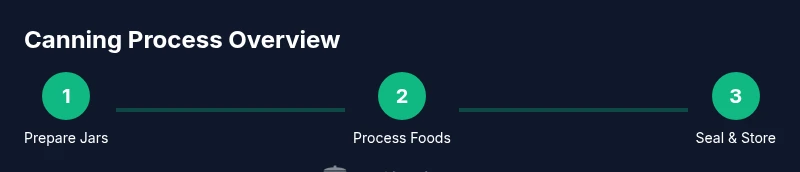
Estimated time: 1.5-2 hours
- 1
Prepare equipment and jars
Wash jars, lids, and bands thoroughly with hot, soapy water. Rinse well and keep jars hot until ready to fill. This prevents cracking when hot contents are added. Assemble canner, rack, and tools; verify your gauge or weighted regulator is functioning before starting.
Tip: Preheating jars helps prevent thermal shock and improves seal strength. - 2
Choose and prep the food
Select tested low-acid foods for pressure canning and high-acid foods for water bath canning. Trim, wash, and cut foods as described in the recipe. Precook or crisp-prep foods only as directed by the tested guide to ensure safe acidity and proper texture.
Tip: Do not alter processing times based on guesswork. - 3
Fill jars with correct headspace
Fill jars with prepared food, leaving the headspace specified in the recipe. Wipe jar rims clean to remove food residue that could hinder sealing. Center lids and finger-tighten bands.
Tip: Even a small residue on the rim can prevent a proper seal. - 4
Vent and seal the canner
For pressure canning, vent steam for the recommended time before applying pressure. Seal the canner according to manufacturer instructions and ensure a stable seal before cooking. Start timing only after achieving the required venting period.
Tip: Vent timing is critical for removing air and achieving even heat. - 5
Process in the pressure canner
Place jars on the rack in the canner; add enough water if required. Process at the instructed pressure for the specified time. Do not disturb the canner during processing, and avoid adjusting settings mid-cycle.
Tip: Avoid partial loading or removing jars during processing. - 6
Cool, depressurize, and store
Turn off heat and allow the canner to release pressure naturally before opening. Remove jars with a jar lifter and let them cool undisturbed for 12–24 hours. Check seals and label finished jars with dates.
Tip: Store in a cool, dark place for best shelf life.
Quick Answers
Can I can all foods using just a pressure canner?
No. Only foods that are low-acid require pressure canning to reach safe temperatures. High-acid foods are best canned using the water bath method, following tested recipes.
No. Only low-acid foods should be pressure canned; high-acid foods use water bath canning.
What is the difference between pressure canning and pressure cooking?
Pressure canning is a preservation method that uses heat and pressure to sterilize jars and seal contents for shelf storage. Pressure cooking is a cooking method that uses steam under pressure to cook food quickly and is not designed for canning.
Pressure canning preserves food; pressure cooking is for rapid cooking, not safe storage.
Do altitude adjustments affect water bath canning?
Yes. Altitude affects processing temperatures in both methods; use tested tables to adjust pressure and time for your elevation.
Altitude can change how long and how hot you need to process your jars.
Can I reuse canning lids after processing?
No. Canning lids are designed for one-time sealing. Reuse of lids can compromise the seal and safety.
Lids should be replaced each time you can.
What happens if jars don’t seal after processing?
If a jar doesn’t seal, refrigerate and use promptly or reprocess only if you have a tested method for resealing. Do not store unsealed jars for shelf storage.
Unsealed jars should be refrigerated and used soon; don’t store them as shelf food.
Where can I find tested canning recipes?
Look for publications from trusted sources like the USDA’s National Center for Home Food Preservation and university extension services.
Check official canning guides from trusted sources for tested recipes.
Watch Video
Top Takeaways
- Follow tested methods for safe canning
- Water bath = high-acid foods; pressure canning = low-acid foods
- Do not substitute pressure cooking for canning procedures
- Altitude affects processing needs; adjust accordingly