Boiled Eggs How to Cook: Master the Perfect Boil
Learn how to boil eggs perfectly every time with practical techniques for soft, medium, and hard yolks. From timing to peeling, this Cooking Tips guide covers it all.


Boiling eggs to your preferred doneness is straightforward: soft centers in about 4-6 minutes, medium yolks in 7-9 minutes, and fully set yolks in 9-12 minutes, followed by an ice bath to stop cooking. This guide shows exact timings, daily tips, and simple methods for reliable results every time.
The Essentials: What You Need to Know About Boiled Eggs
Boiled eggs are a kitchen staple, prized for their simplicity, versatility, and protein. Mastering the technique means understanding doneness, peeling, and timing to fit your dish. According to Cooking Tips, the key to reliable results is controlling heat, timing, and rapid cooling. Whether you want a runny yolk, a jammy center, or a fully set yolk, a few precise steps will transform ordinary eggs into a reliable ingredient for salads, deviled eggs, or a quick breakfast. Eggshell thickness, humidity, and altitude can influence boiling, but for most home kitchens standard room conditions yield consistent results. Fresh eggs can cling to their shells more stubbornly, while slightly older eggs tend to peel more easily. Bringing eggs to near room temperature before boiling helps reduce thermal shock. The rest of this article builds on this foundation with precise times and methods for different yolk doneness.
Choosing Eggs for Boiling
Selecting the right eggs sets the stage for a smooth boil. Size matters less than freshness and handling. In general, medium to large eggs boil consistently, and slightly older eggs tend to peel more easily due to changes in their pH. Store eggs in the refrigerator until you’re ready to cook, then consider letting them sit at room temperature for a few minutes to reduce shock when they hit hot water. If you plan to peel them in advance, choose eggs from the back of your carton that have not been shaken by previous handling. A quick check before boiling—spin the egg on the counter. A hard-boiled egg will wobble less than a raw one. By keeping eggs cold until you’re ready to cook, you’ll preserve texture and ensure predictable results.
The Classic Water Bath Method for Hard-Boiled Eggs
The traditional water bath yields reliably firm whites and fully set yolks when done correctly. Begin with a pot large enough to hold your eggs in a single layer. Gently place eggs in the pot and add cold water to cover by about 1 inch. Bring the water to a rolling boil over medium-high heat, then cover and remove from heat. Let the eggs sit for 9-12 minutes depending on the size of the eggs and your preferred yolk firmness. Transfer to an ice bath immediately to halt cooking and set the texture. Once cooled, peel or refrigerate for later use.
Soft-Boiled and Medium-Boiled Options
If you love a runny or jammy center, you’ll want shorter rest times. For a soft yolk, cook 4-6 minutes after the water begins to boil, then transfer to ice to stop cooking. For a medium yolk, aim for 7-9 minutes. The exact time can vary with egg size and altitude, so start with these ranges and adjust by one minute in subsequent batches. Remember, the goal is to heat the yolk through without overcooking the white. A quick ice bath not only stops the cooking but helps with peeling later.
Timing and Doneness: A Practical Guide
To simplify, memorize this mental chart: soft 4-6 minutes, medium 7-9 minutes, hard 9-12 minutes, all measured after the water reaches a boil. Use a timer and avoid opening the lid to prevent heat loss. If your stove runs hot, start with a shorter rest period and verify the yolk texture after the first batch, then adjust. Practical doneness also depends on the starting temperature of the eggs and the size of the eggs, so use these guidelines as a baseline and tweak as needed.
Peeling, Storing, and Reheating Leftovers
Peeling is easiest when eggs are cold but not rock hard. After cooling in the ice bath, crack the shell on a solid surface and roll to loosen the membrane, then peel under running water to remove small shell fragments. For storage, keep hard-boiled eggs unpeeled in the refrigerator for up to 1 week. If peeled, store in a covered container with a damp paper towel to prevent drying out. To reheat, gently gently rewarm in hot water for a few minutes, or slice cold into salads for texture and temperature contrast.
Flavor Enhancements and Quick Variations
Boiled eggs are a blank canvas. Add a sprinkle of flaky salt, pepper, paprika, or dill to finish. Turn them into a classic egg salad with mayo, mustard, and chopped celery, or pack them into a bento box with sliced vegetables and a tangy dipping sauce. For a quick glaze, toss peeled eggs with a touch of olive oil and black pepper, then dust with za’atar or chili flakes. These simple variations can elevate a basic boiled egg into a satisfying meal or snack.
Troubleshooting Common Issues
Cracked eggs: Cracks often come from temperature shock or overcrowding. Start with eggs at near-room temperature and place them in a single layer. Green ring around the yolk indicates overcooking; reduce the resting time slightly and ensure a quick ice bath. Eggs that peel stubbornly might be very fresh; letting them sit a day or two before boiling can help. If whites turn rubbery, reduce the boil time and rinse with cold water to halt cooking quickly.
Safety, Cleanliness, and Best Practices
Always wash hands after handling raw eggs and keep cooked eggs refrigerated. Do not leave boiled eggs at room temperature for more than two hours. When storing, keep eggs in their shells until ready to eat to protect against odors and moisture loss. If you plan to refill shells with yolk mixtures, sanitize the shells and use freshly prepared fillings. Maintaining clean utensils and surfaces reduces cross-contamination and preserves flavor.
Tools & Materials
- Eggs(As many as you plan to boil)
- Medium saucepan or pot(Large enough to hold eggs in a single layer)
- Water(Enough to cover eggs by about 1 inch)
- Stove or heat source(Gas or electric appliance)
- Timer(Digital timer or clock)
- Ice bath bowl(Cold water with ice to stop cooking)
- Slotted spoon(Gently lift eggs from hot water)
- Optional: salt or vinegar(Pinch can help with shell integrity)
- Peeler or spoon(For easier peeling)
Steps
Estimated time: 15-20 minutes active; 5-10 minutes cooling
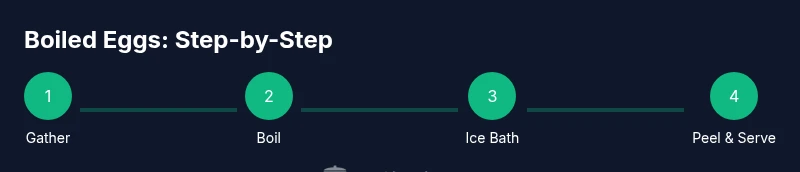
- 1
Gather eggs and tools
Assemble eggs, pot, water, timer, and a bowl for an ice bath to ensure you can complete steps without interruptions. This preparation minimizes delays and helps maintain consistent results.
Tip: Having everything ready reduces cooking time and prevents mid-cook mistakes. - 2
Place eggs in pot and cover with water
Lay eggs in a single layer in the pot and add enough cold water to cover by about 1 inch. Starting with cold water reduces thermal shock and helps prevent cracking.
Tip: A gradual heat start lowers the chance of cracking. - 3
Bring to a boil
Place the pot on the stove and heat on medium-high until the water reaches a rolling boil. At this point, avoid vigorous boiling that can bounce eggs around and crack shells.
Tip: If your stove runs hot, lower to maintain a steady boil. - 4
Set timing for desired yolk
For hard yolks, turn off the heat, cover, and let sit 9-12 minutes. For soft yolks, cook 4-6 minutes; for medium 7-9 minutes. Use a timer for consistency.
Tip: Timing is the key to doneness; small variations can change texture. - 5
Ice bath to stop cooking
As soon as the timer ends, transfer eggs to the ice bath and chill for 5-10 minutes. This stops cooking and makes peeling easier.
Tip: Ice water shock firms the whites and improves peeling. - 6
Peel and rinse
Peel under running cold water. Start at the wider end where the air pocket is, which makes peeling smoother.
Tip: Peeling under water reduces shell fragments. - 7
Store or serve
Serve immediately or refrigerate in a covered container up to 1 week. Hard-boiled eggs keep best unpeeled.
Tip: Label storage times to avoid confusion later. - 8
Flavor and reuse
Slice into salads, deviled eggs, or quick snacks with salt, pepper, or paprika. A little seasoning elevates ordinary eggs.
Tip: Keep some paprika or chives handy for instant flavor.
Quick Answers
What is the best method for hard-boiled eggs?
For hard-boiled eggs, boil gently, then cover and rest 9-12 minutes off the heat before cooling in ice water. This yields fully set yolks with tender whites.
For hard-boiled eggs, start with cold water, bring to a boil, then rest off heat for 9 to 12 minutes before cooling in ice water.
How do I peel eggs easily?
Peel under running water after cracking the shell. Fresh eggs are harder to peel; older eggs peel with less resistance.
Peel under cold water and start at the wider end to loosen the shell.
Can I reuse the cooking water?
Yes. The water can be cooled and used for other kitchen tasks or to start another batch, but avoid reboiling if seasoned heavily.
You can reuse the water for other tasks, but don’t rely on it for flavoring if you already added salt or vinegar.
How long do boiled eggs last in the fridge?
Hard-boiled eggs keep well in the fridge for up to 1 week when stored in a covered container. Peel only when ready to eat.
Hard-boiled eggs can last about a week in the fridge when kept sealed.
Why do my eggs crack during cooking?
Cracks usually occur from temperature shock or overcrowding. Start with room-temperature eggs and place them in a single layer in the pot.
Cracks happen from temperature changes or overcrowded pots; let eggs reach near room temperature and not touch each other.
Watch Video
Top Takeaways
- Know your yolk preference and adjust time
- Use an ice bath to stop cooking
- Peel under water for clean shells
- Store hard-boiled eggs in fridge up to 1 week