How to Cook Spiral Ham: A Complete Step-by-Step Guide
Master the art of cooking spiral ham with a reliable, all-in-one approach. Learn thawing, glazing options, oven temps, timing, safety tips, and serving ideas for a perfect holiday spread.


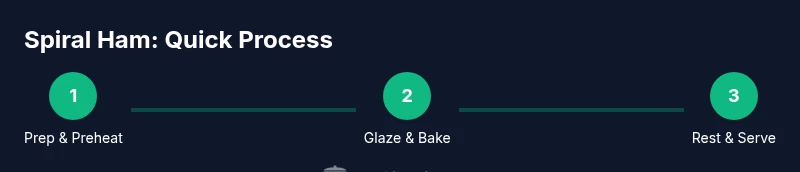
To cook spiral ham, warm it gently until it reaches 140°F internal, glaze during the last 20 minutes, and rest briefly before serving. Preheat the oven to 325°F, keep the ham covered to retain moisture, and use a thermometer to verify doneness for consistent, juicy slices.
Why spiral ham matters for gatherings
Spiral ham is a fixture on holiday tables and weeknight feasts alike because its pre-sliced, uniform portions make serving easy. According to Cooking Tips, this cut saves you time without sacrificing flavor, since the meat stays moist when heated gently and evenly. The spiral design exposes more surface for glaze, allowing a punch of sweetness or tang with every bite. For family meals, a well-glazed spiral ham can be the centerpiece that combines convenience with crowd-pleasing taste. In this guide, you’ll learn practical, kitchen-tested steps to achieve juicy, evenly heated slices and a glossy finish that looks as good as it tastes.
Choosing a good spiral ham and planning ahead
Start with a fully cooked, boneless or bone-in spiral ham from a reputable grocery source. Check the label for heating guidelines and ensure your ham is properly thawed if it was frozen. Plan around the event time so you can allow for resting and carving. A quality glaze makes a big difference, so consider balancing sweetness with acidity to cut through the meat’s natural richness. By planning ahead, you’ll avoid last-minute scrambling and ensure the ham stays juicy from oven to table. The Cooking Tips team emphasizes patience and steady heat for best results.
Tools, containers, and pantry essentials you’ll want handy
Before you start, assemble the basics: a roasting pan with a rack, heavy-duty foil, a basting brush, a meat thermometer, and a small saucepan for glaze preparation. Have your glaze components ready—brown sugar, honey or maple syrup, and Dijon or apple cider vinegar for brightness. Keep a timer within reach and a carving knife nearby. Small touches like butter or orange zest can elevate the glaze, but you can start simple with a classic sugar-brown glaze. Preparing the right tools ahead saves time and reduces heat-induced stress in the moment.
Preparing the ham for glaze: moisture, scoring, and scoring depth
Spiral hams arrive already sliced in a way that fans the meat into ready-to-serve pieces. You don’t need to slice again, but you should remove any plastic netting and pat the surface dry. Lightly score the outer layer of the ham in a shallow diamond pattern if you want glaze to cling—this creates more surface for flavor and caramelization. Do not cut too deeply; you want to preserve the meat’s integrity. A dry surface helps the glaze adhere, while a little moisture on the surface can prevent some of the glazes from burning.
Glaze ideas: sweet, savory, and tangy options to suit any crowd
A classic glaze blends brown sugar with a touch of honey and mustard for balance. For a fruit-forward profile, consider pineapple juice and a splash of ginger; maple adds warmth, while a dash of soy sauce can introduce depth. If you prefer a tangy finish, add apple cider vinegar or lemon juice to brighten the glaze. Whichever you choose, aim for a glaze that clings rather than pools. Remember, you’ll baste during the final phase, so start with a glaze that thickens slightly when heated.
Oven setup and safe reheating guidelines for best results
Preheat the oven to 325°F and position the ham cut-side down on a rack in a shallow roasting pan to promote even heating. Cover with foil for the majority of the bake to trap moisture and prevent drying. Revisit the ham near the end of cooking to apply the glaze and finish glazing uncovered if you want a glossy surface. Use a thermometer to verify the internal temperature reaches 140°F for safe, fully warmed meat. If you notice excessive browning, loosely tent with foil to protect the glaze while the center warms.
Glazing timing and layering: how to apply glaze without burning or burning out the surface
Glazing should be done in stages: apply a thin initial coat about two-thirds of the way through heating, then reapply in the final 15–25 minutes for a rich, caramelized finish. Too much glaze early can burn or become sticky rather than glossy. Brush evenly across the surface and avoid thick globs in one spot. If your glaze has sugar, you may need to reduce heat slightly after application to prevent scorching while retaining glaze definition.
Checking doneness, rest, and carving: getting the most from your glaze
Use a reliable digital thermometer to confirm the ham reaches 140°F in the center of the thickest portion. Once off the heat, cover loosely with foil and let it rest for 10–15 minutes. Resting allows juices to redistribute and makes carving easier. When you carve, slice along natural seams of the pre-sliced spiral, so each portion remains tender. Serve immediately for the best texture and glaze shine.
Troubleshooting, flavor tweaks, and making it your own
If the glaze looks dull, a second glaze pass can restore shine during the last 5–10 minutes. For a salty profile, add a touch more vinegar or citrus to brighten the glaze. If the ham ends up dry, you likely heated it too long; next time try a shorter bake with more moisture in the pan. For a festive finish, garnish with chopped herbs, orange zest, or cracked pepper for color and aroma that enhances the dining experience.
Serving ideas and make-ahead options for a stress-free meal
Plan to serve with classic sides like roasted vegetables, mashed potatoes, and a quick pan gravy. Make-ahead glaze mixtures can be prepared in advance and heated before use. Leftover ham stores well in the refrigerator for several days or can be frozen for longer-term storage. Reheat slices gently, using broth or a little water to keep them moist. A well-planned spread ensures every guest feels welcome and satisfied.
Tools & Materials
- spiral ham (pre-cooked)(Choose a fully thawed ham; bone-in or boneless works)
- roasting pan with rack(Allows even heat circulation and juices collection)
- foil (heavy-duty)(For tenting and moisture retention)
- meat thermometer(Digital probe preferred for accuracy)
- basting brush(Silicone brushes hold glaze without shedding)
- small saucepan(For making glaze)
- glaze ingredients(Brown sugar, honey/maple, mustard, vinegar)
- parchment paper or extra foil(For easy cleanup or tenting)
- knife for carving(Sharp carving knife or chef's knife)
Steps
Estimated time: Total time: about 2-3 hours depending on ham size
- 1
Preheat and prep
Preheat the oven to 325°F. Remove packaging, place the ham on a rack in a roasting pan, and pat dry. If using glaze with sugar, a light dry surface helps caramelization. Cover loosely with foil to trap moisture.
Tip: Use a rack to keep the bottom from sitting in juices; this promotes even heating. - 2
Prepare glaze
In a small saucepan, combine glaze ingredients and simmer until the mixture thickens slightly. Stir to avoid scorching and set aside to cool momentarily before applying.
Tip: Balance sweetness with a touch of acidity to keep the glaze lively. - 3
Initial heating phase
Slide the pan into the oven and heat for the first 60–75 minutes, covered with foil. This phase ensures an even warm-through without drying the surface.
Tip: Keep an eye on overall heat; if the surface looks dry, you can spritz lightly with broth or water to maintain moisture. - 4
First glaze pass
Remove foil for a moment, brush a thin layer of glaze across the surface, then return to oven for finishing while baking uncovered.
Tip: A light first coat helps the glaze adhere and prevents a sticky, heavy first layer. - 5
Final glaze and finish
Apply a thicker glaze in the final 15–25 minutes. The surface should look glossy and deep; avoid pooling glaze in one area.
Tip: If glaze threatens to burn, cover loosely with foil and reduce heat slightly. - 6
Check temperature
Insert the thermometer into the thickest part of the meat; target 140°F. Remove from oven when reached and let rest.
Tip: Thermometer placement matters: avoid bone and thick clumps of fat for accurate reading. - 7
Rest and carve
Tent the ham loosely with foil and rest 10–15 minutes. Slice along the natural spiral pattern to maintain tenderness.
Tip: Resting helps juices redistribute for juicier slices. - 8
Serve and store leftovers
Carved ham can be served warm or at room temperature. Refrigerate leftovers promptly in airtight containers.
Tip: Label containers with date; leftovers are best within 3–4 days.
Quick Answers
Should I thaw a spiral ham before cooking?
Yes, fully thaw the ham if it was frozen. Thawing ensures even heating and prevents cold spots that can affect texture.
Yes, thaw completely for even heating and best texture.
What temperature should spiral ham be heated to?
Aim for an internal temperature of 140°F. This ensures the ham is warmed through without overcooking.
Heat until the center reads 140 degrees Fahrenheit.
How long does it take to cook spiral ham per pound?
Cook until heated through and glaze-tinted. Time varies with size; use a thermometer to guide when to stop.
Cooking time depends on size; use a thermometer to decide when it’s ready.
Can I glaze the ham more than once?
Yes, apply glaze in layers during the final phase for a rich, caramelized finish without burning.
Yes, apply in layers for a glossy finish.
What should I do with leftovers?
Refrigerate promptly in airtight containers and reheat gently with a little broth to maintain moisture.
refrigerate promptly; reheat gently with a splash of broth.
Is spiral ham safe to serve cold?
Yes, if it has been refrigerated properly and held at safe temperatures; many people enjoy cold slices as part of a platter.
Yes, cold ham slices can be safe with proper refrigeration.
Watch Video
Top Takeaways
- Preheat to 325°F and heat ham evenly on a rack
- Glaze in layers for a glossy finish without burning
- Target 140°F internal temperature for safety and juiciness
- Rest before carving to seal in moisture
- Store leftovers promptly for best quality