How to Cook Ham in a Slow Cooker: A Practical Guide
Learn how to safely and deliciously cook ham in a slow cooker with this step-by-step guide. We cover selecting the right ham, flavor ideas, cooking times, and serving suggestions for busy home cooks.


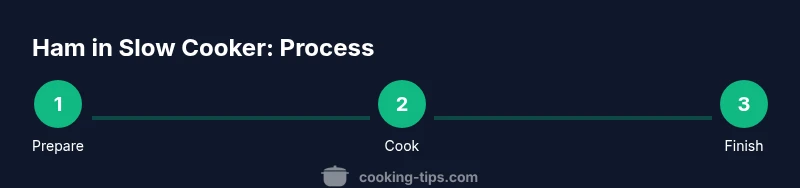
Place a fully cooked ham (thawed) in a slow cooker with a small amount of liquid and your preferred glaze. Cook on low until the center is hot and steaming throughout, usually several hours depending on size. For safety, use a meat thermometer to confirm it is heated through before serving.
Why a slow cooker ham is a win for busy cooks
For many home cooks, the slow cooker is a lifesaver when you want tabletop-worthy ham without babysitting the pan. A well-wrapped, thawed ham left to warm in a low-heat environment results in moisture retention and even heating, reducing the risk of dry edges. According to Cooking Tips, the slow cooker’s gentle, steady heat helps preserve tenderness and texture, making it an excellent method for holiday meals or weeknight dinners alike. You’ll also gain flexibility: you can prep sides, set the cooker, and have a hot, ready-to-serve center of the plate without spending hours hovering near the stove. Beyond convenience, the technique scales for different sizes of hams and accommodates a variety of glaze styles. The key is to ensure there’s a small amount of flavorful liquid to create steam and a moist cooking environment that carries aroma and flavor into every bite.
Choosing the right ham for slow cooking
The first decision is whether you’re using a bone-in or boneless ham, and whether the ham is fully cooked or raw. Most store-bought hams are fully cooked and only require reheating and flavor enhancement. Boneless hams are easiest to fit into standard slow cookers, while bone-in versions can add extra flavor and juiciness if you have a larger pot. Thawed ham is essential; starting with a frozen piece underestimates cooking time and can lead to uneven heating. Look for a ham that’s labeled as “fully cooked and ready to reheat” if your goal is a quick weeknight option. If you have a smaller cooker, a half or boneless ham may work best to ensure heat penetrates to the core. Regardless of style, trim any thick exterior fat if you prefer a leaner dish, but avoid removing all fat—the fat carries flavor that helps keep the meat moist during long cooking.
Preparing and flavoring: glaze ideas
Flavor is what makes slow-cooker ham exciting. Start with a modest glaze that blends sweetness with acidity to balance richness. Classic options include brown sugar and honey glazes, maple-mustard blends, or pineapple-ginger reductions. If you’re using a glaze, apply a thin layer at the start and brush a second layer toward the end of cooking for a glossy finish. You can also introduce savory notes with herbs like thyme or garlic, or a splash of soy sauce or orange juice for depth. The glaze should complement the ham’s natural flavors, not overwhelm them. For a more hands-off approach, use a store-bought glaze but brush it on during the last 30 minutes to avoid burning sugars in long, slow sessions.
In addition to glaze, consider aromatic add-ins for the cooking liquid, such as sliced onions, garlic cloves, or citrus peels. These ingredients infuse moisture and scent into the meat as it rests. Cooking Tips analysis shows that slower, lower temperatures with a small amount of liquid yield better moisture retention and a more evenly heated interior, especially when using a bone-in cut. The result is a ham that’s juicy from edge to center and infused with subtle flavor notes from your chosen glaze and aromatics.
Slow cooker setup: temps, liquid, and timing
A common approach is to place the ham in the cooker with a shallow pool of liquid—broth, wine, juice, or a flavored water mix—so that steam conducts heat without drowning the meat. The goal is to create a moist environment that gently carries heat to the center of the ham. If your ham is already fully cooked, you’re primarily reheating and flavor-enhancing; if it’s raw, you’ll need to bring it to a safe internal temperature, which takes longer. Temperature control in slow cookers can vary by model, so it’s wise to check a few times during the process to avoid overcooking. A lid-impervious factor is the size of the ham: larger roasts may require longer cooking times or a larger cooker. Use the low setting for the majority of the time to maximize tenderness and prevent drying, and switch to high only if you’re pressed for time and the meat is already thawed and partially warm. Always keep the cooking environment sealed to maintain moisture and aroma, and avoid opening the lid repeatedly, which interrupts the cooking cycle.
Food safety and serving: heat, rest, and serving tips
Safety is paramount when reheating or cooking meat in a slow cooker. Always start with a clean cooker and a thawed ham. Use a meat thermometer to verify the center reaches a safe temperature before serving. After cooking, let the ham rest for 10-15 minutes before slicing; resting lets juices redistribute and improves tenderness. Slice against the grain for maximum tenderness, and fan the slices on a warmed platter. If you plan to glaze during the last stage, keep the glaze ready and brush on during the final minutes to achieve a glossy finish without burning sugars. When serving, pair the ham with sides that complement its sweetness, such as roasted vegetables, mashed potatoes, or a tangy cranberry relish to balance flavors.
Flavor variations and make-ahead options
If you like experimentation, you can tailor glazes to seasonal ingredients: citrusy orange-glaze in winter, or smoky maple-bourbon in autumn. For make-ahead meals, you can prepare the glaze the night before and refrigerate, then brush on before serving. Leftover glaze can be thinned with a little water or stock and used as a light sauce over leftovers. For a more robust finish, add a final glaze in the last 15-20 minutes of cooking and finish with a quick broil (if your cooker has a broil-safe lid) or a brief turn under a hot oven broiler. This last step adds color and caramelization that enhances texture and depth of flavor.
Final notes on reliability and flavor balance
Cooking ham in a slow cooker consistently delivers tenderness when you respect the meat’s structure and the glaze’s sweetness. The Cooking Tips team notes that planning ahead, thawing properly, and selecting the right cut drastically improve outcomes. The approach works well for holiday feasts or casual family dinners, offering a reliable method that yields consistent results across different occasions. The key is to balance heat, moisture, and glaze so that the ham remains juicy rather than dry, while still achieving a glossy, flavorful finish. As you gain experience with your specific slow cooker model, you’ll fine-tune the timing and glaze proportions to fit your family’s preferences.
A friendly reminder from the Kitchen
The Cooking Tips team emphasizes safety and flavor in equal measure. While slow cookers are forgiving, they aren’t a substitute for proper thawing and temperature checks. If you’re ever unsure, review your cooker’s manual and use a thermometer to verify doneness. With the right preparation, your slow cooker ham will be a crowd-pleaser that’s easy to pull off on busy days without sacrificing depth of flavor.
Tools & Materials
- Slow cooker (6-7 quart size or larger)(Ensure it can fit the ham with space for liquid and glaze)
- Meat thermometer(Critical for checking internal temperature)
- Glaze brush(Useful for applying glaze smoothly)
- Mixing bowl(For whisking glaze and aromatics)
- Measuring cups and spoons(For accurate glaze ratios)
- Aluminum foil or heat-safe lid(Covers to retain moisture if needed)
Steps
Estimated time: 6-9 hours
- 1
Gather ingredients and equipment
Collect the ham, glaze ingredients, liquid, and all tools before you start. This keeps the process smooth and prevents mid-recipe interruptions. Having everything within reach helps maintain a steady rhythm as you cook.
Tip: Lay out ingredients in the order you’ll use them to speed the workflow. - 2
Prepare the ham for the slow cooker
If needed, trim excess surface fat and pat the ham dry. Trim can help glaze adhere better and reduce excess fat rendering during long cooking. Ensure the ham will fit into the slow cooker with room for liquid and heat to circulate.
Tip: Cut the ham if it’s too large to lie flat; this helps heat penetration. - 3
Whisk a compatible glaze
Whisk your chosen glaze ingredients in a bowl until smooth. A balanced glaze often blends sweet and acidic components (e.g., brown sugar and citrus) to complement the ham’s savoriness. Having the glaze ready ensures a glossy finish at the end.
Tip: If using a store-bought glaze, whisk in a splash of juice or stock to loosen it for dipping. - 4
Add ham to slow cooker with liquid
Place the ham in the slow cooker with a shallow pool of liquid such as broth or juice. This creates steam that keeps the meat moist and helps prevent scorching on the bottom. Position the cut side down if it’s bone-in to maximize surface contact.
Tip: Avoid submerging the ham; a shallow layer is enough to generate moisture. - 5
Start cooking on low
Set the slow cooker to low. The goal is slow, steady heat that warms the ham evenly without drying the edges. Plan for several hours based on size and whether the ham is fully cooked or raw.
Tip: Resist the urge to lift the lid frequently; each lift adds 15-20 minutes of cooking time. - 6
Brush glaze midway (if using)
About halfway through cooking, brush on a thin layer of glaze to begin caramelization and flavor build. This step helps achieve a glossy finish and a deeper flavor profile.
Tip: Keep some glaze aside for a final brushing at the end. - 7
Finish with a final glaze and rest
In the last 15-20 minutes, apply a final glaze to create a shiny crust. Once done, remove the ham and let it rest 10-15 minutes before slicing to redistribute juices.
Tip: Resting is essential for juicier slices; use this time to set the table. - 8
Check internal temperature
Use a thermometer to ensure the center is heated through and safe to eat. If the ham isn’t hot enough, continue cooking in short increments while checking temperature.
Tip: Target the center area for a reliable read; move the thermometer around to confirm even warmth. - 9
Slice and serve with sides
Slice against the grain for tenderness and arrange on a warmed platter. Pair with side dishes that contrast sweetness and acidity, such as tangy cranberry relish or citrusy vegetables.
Tip: Keep slices slightly thick to hold in moisture and flavor.
Quick Answers
Can I cook a frozen ham in a slow cooker?
Cooking a frozen ham in a slow cooker is not recommended because it can lead to uneven heating and potential safety concerns. Always thaw the ham fully before cooking or reheating in the slow cooker.
Do not start with a frozen ham in a slow cooker; thaw it first for even cooking.
Should I trim fat before cooking?
Lightly trim excess surface fat, but leave some fat for flavor and moisture. The slow cooker’s moist environment helps render fat evenly without drying the meat.
Trim only some fat, not all, to keep flavor and moisture.
Can I use any glaze I want?
You can use many glazes, but aim for a glaze with a balance of sweetness and acidity. Simpler glazes like brown sugar and mustard or maple with citrus work well.
Most glazes with sweet and sour notes pair nicely with ham.
Bone-in versus boneless: which is better?
Bone-in ham tends to stay juicier and more flavorful, but boneless is easier to fit in most slow cookers. Consider your cooker size and the cut you prefer.
Bone-in gives more flavor; boneless is easier to fit.
How long will leftovers keep safely?
Refrigerate leftovers within two hours of cooking and use within 3-4 days. For longer storage, freeze portions for up to 2-3 months.
Store leftovers promptly and use within a few days.
Watch Video
Top Takeaways
- Plan ahead and thaw fully for best results.
- Choose glaze combinations that balance sweet and acidic flavors.
- Monitor with a thermometer for safe, juicy results.
- Rest the ham before slicing for optimal texture.
- Keep lid closed to maintain consistent heat.