Slow Cook Sweet Potatoes: A Practical Guide for Tender Results
Master slow cooking sweet potatoes using oven, slow cooker, or stovetop methods. Learn selection, prep, timing, flavor ideas, and storage for tender, flavorful results every time. Educational guide from Cooking Tips.


By the end, you’ll know how to slow cook sweet potatoes with three reliable methods (oven, slow cooker, and stovetop). You’ll learn selection tips, prep steps, timing, and flavor boosters to keep the natural sweetness and moisture. This Cooking Tips guide emphasizes practical, kitchen-friendly techniques that yield tender, caramelized potatoes every time.
Why Slow Cooking Sweet Potatoes Is Worth It
Slow cook sweet potatoes to preserve their natural sugars and moisture, yielding tender, caramelized flesh with intensified flavor. Compared with boiling, slow cooking concentrates sweetness and reduces water loss, making texture creamier and more evenly cooked. For home cooks, this method is forgiving of variable potato sizes and batch-friendly. According to Cooking Tips, the slow cook sweet potatoes approach helps maximize flavor while keeping prep simple. You’ll achieve a creamy interior with a slightly browned exterior, a result that’s hard to match with high-heat roasting alone. This section explores why the technique works, how heat and moisture interact, and how to choose the best cook method for your schedule and crowd.
Choosing the Right Sweet Potatoes
Not all sweet potatoes are created equal. Look for tubers that are firm, smooth, and free of large sprouts or soft spots. For slow cooking, size matters: aim for evenly sized potatoes or cut them into uniform chunks to ensure consistent tenderness. Orange-fleshed varieties are sweetest and most common; purple and white varieties offer different textures and flavors that still benefit from slow cooking. Be aware that many stores label yams as sweet potatoes; true yams are starchier and drier. Fresh, well-stored sweet potatoes will retain moisture during long, gentle cooking and stay flavorful even after mashing or mounding for serving. The Cooking Tips team recommends selecting 4–8 medium tubers for most family meals and adjusting based on your needs.
Tools and Pantry Staples for Slow Cooking
Having the right tools helps you execute the slow cook sweet potatoes method smoothly. Essential items include a sharp chef’s knife, a sturdy cutting board, and a rimmed baking sheet for oven methods. For slow cooker or stovetop options, you’ll want a pot with a tight-fitting lid and a spoon for stirring. Oils like olive oil or melted butter add flavor and help browning during oven cooking. Salt and pepper balance sweetness, while cinnamon, paprika, or nutmeg can elevate the flavor profile. Keep a stash of fresh herbs (like parsley or chives) to finish the dish. This section aligns with the Tools & Materials list so you can prepare everything in advance.
Methods Overview: Oven, Slow Cooker, and Stovetop
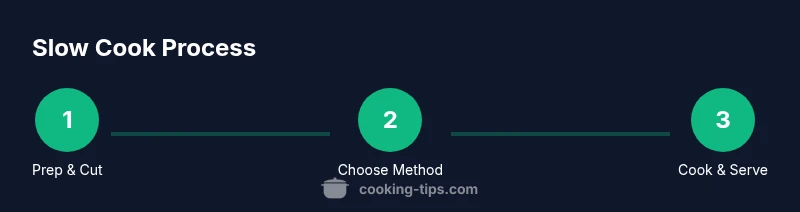
Three reliable paths exist for the slow cook sweet potatoes approach:
- Oven: Low, steady heat with a rimmed sheet enables caramelization and soft interiors. Expect gentle browning and creamy centers when potatoes are evenly cut.
- Slow Cooker: A hands-off method that makes it easy to integrate into busy days. Use enough liquid to create steam and prevent scorching; seal the lid to trap moisture.
- Stovetop: Simmer in a covered pot with a modest amount of liquid. Chunks cook evenly, and you can easily mash or mash-n-mix for serving. Each method highlights the potatoes’ natural sweetness, but the texture and depth of flavor will differ.
Tip: Start with uniform pieces to avoid undercooked centers or overcooked edges. This section is designed to help you pick the method that fits your schedule and desired texture.
Prep for Consistent Tenderness
Consistency starts with preparation. Scrub and dry the potatoes, then cut into uniformly sized pieces if you’re not roasting whole. Pat dry after washing to minimize moisture loss, toss with a light coat of oil, and season evenly. If using the oven, a shallow sheet allows heat to reach all sides; for slow cookers or stovetops, add just enough liquid to generate steam without washing away flavor. Resting the potatoes briefly after cooking helps them reabsorb moisture and settle into a tender texture. The goal is to maximize even heat penetration while preserving natural sweetness.
Flavor Boosters and Variations
Flavor can transform slow-cooked sweet potatoes from a side dish to a star. Try finishing with a small pat of butter, a drizzle of honey or maple syrup, and a pinch of flaky salt to intensify sweetness. For warmth, add cinnamon, nutmeg, or smoked paprika. Fresh herbs like cilantro, parsley, or chives brighten the dish, and a splash of lemon juice at the end can wake flavors. If you like a savory-sweet balance, include roasted garlic, black pepper, and a touch of balsamic glaze. These variations let you tailor the recipe to different meals and palates without adding heavy ingredients.
Troubleshooting Common Issues
If your potatoes turn out unevenly, ensure chunks are uniform in size and avoid overcrowding the cooking vessel. Dry, crumbly interiors usually mean the potatoes cooked too long or too long at a high heat; reduce cooking time or temperature and consider covering the dish to retain moisture. Mushy potatoes signal overcooking or excessive liquid; drain excess liquid and let them rest briefly. If browning happens too quickly on the outside, lower the heat or add a splash of liquid to slow browning. Taste and adjust seasoning after cooking, since slow cooking concentrates flavors.
Storage, Reheating, and Leftovers
Store leftovers in an airtight container in the refrigerator for up to 4 days. Reheat slowly on the stovetop with a splash of water or milk to restore creaminess, or warm gently in the oven covered with foil. Freezing is possible for mashed or pureed sweet potatoes, but texture may change after thawing. For best results, reheat until just hot to maintain moisture and prevent graininess. Slow-cooked sweet potatoes reheat well when kept in their natural moisture, making them a convenient option for weeknight meals.
Authoritative Sources and Further Reading
For additional guidance on safe handling, nutrition, and cooking methods, consult credible sources:
- https://www.usda.gov
- https://www.fda.gov
- https://www.nih.gov
Glossary and Quick Reference
- Slow cook sweet potatoes: Cooking method that uses low heat and moisture to gently cook potatoes until tender and flavorful.
- Uniform cuts: Cutting potatoes into pieces of similar size to ensure even cooking.
- Caramelization: The browning process that adds depth of flavor as natural sugars are released during cooking.
Tools & Materials
- sweet potatoes (4–8 medium)(Choose firm tubers without soft spots; uniform size helps even cooking)
- sharp chef's knife(6–8 inches; ensures clean, safe cuts)
- cutting board(Non-slip surface preferred)
- rimmed baking sheet(Lined with foil or parchment for easy cleanup)
- oven-safe dish or pot(For slow cooker or stovetop methods, this can be optional)
- slow cooker (crockpot)(Only needed if you plan the slow cooker method)
- pot with lid(Needed for stovetop simmer method)
- oil (olive or neutral) and salt(Small amount to coat for flavor and browning)
- seasonings (cinnamon, paprika, nutmeg)(Add according to flavor preference)
Steps
Estimated time: Total time: 2.5-7 hours (depending on method and batch size)
- 1
Gather ingredients and choose method
Collect sweet potatoes and tools. Decide whether you’ll oven-roast, slow cook, or simmer on the stovetop based on your schedule and preferred texture. This decision sets the rest of the steps in motion.
Tip: Choosing the right method early prevents mid-cook changes that slow you down. - 2
Prep: scrub, dry, and cut evenly
Scrub potatoes under cold water until clean. Pat dry, then cut into uniform chunks or wedges for even cooking. Uniform pieces are essential for consistent tenderness.
Tip: Dry surfaces before oiling to encourage browning and even texture. - 3
Oven method: arrange on sheet
Preheat to a low range (see method choice). Toss potato pieces with a light oil and salt, spreading them in a single layer on a rimmed sheet. Roast until tender and lightly browned, turning once for even color.
Tip: To keep interiors creamy, avoid overcrowding the sheet. - 4
Slow cooker method: add liquid
Place potato pieces in the slow cooker and add a splash of water or broth to create gentle steam. Cover and cook on low until tender, checking for doneness at the lower end of the range.
Tip: Use just enough liquid to create steam—too much liquid can dilute flavor. - 5
Stovetop method: simmer gently
Combine potatoes with a small amount of liquid in a covered pot. Simmer on low heat, stirring occasionally, until forks slide in with little resistance.
Tip: Keep a tight lid on to trap moisture and promote even cooking. - 6
Check tenderness and finish
Test pieces with a fork; they should be tender through the center with a slight resistance from the outside. Mash or stir as desired for serving. Add final seasonings if needed.
Tip: Let rest a few minutes to settle moisture before serving. - 7
Flavor finish
Finish with a small knob of butter or a drizzle of olive oil, plus your chosen spices or herbs. A light touch preserves the natural sweetness.
Tip: Taste and adjust salt just before serving. - 8
Serve or store
Serve hot as a side or mash for a puree. If storing, cool quickly and refrigerate in an airtight container.
Tip: Reheat gently to maintain moisture and texture. - 9
Batch tips and cleanup
Clean as you go to keep your kitchen organized. If you cook in batches, re-season leftovers before serving a second time.
Tip: Batch cooking makes weeknight meals easier and faster.
Quick Answers
Can I cook whole sweet potatoes slowly without cutting them?
Yes, you can slow cook whole sweet potatoes, but cutting into chunks reduces cooking time and ensures even tenderness. If cooking whole, choose smaller tubers and check for doneness with a fork.
You can cook whole sweet potatoes, but cutting them helps them cook evenly. Check doneness with a fork.
Which method yields the creamiest texture?
The oven method with a moderate heat often produces a slightly caramelized exterior and creamy interior. Slow cooker tends to be very tender but can be more uniform in texture.
Oven-roasting gives a creamy interior with a touch of caramelization, while slow cookers are very tender overall.
How do I prevent mushy sweet potatoes?
Cut potatoes evenly and avoid overcooking. Use just enough liquid in slow-cooker and stove methods, and monitor tenderness starting at the earliest end of the recommended time.
Cut evenly, don’t overcook, and monitor tenderness to avoid mush.
Can I freeze slow-cooked sweet potatoes?
Yes, you can freeze mashed or puréed sweet potatoes. Texture may change after thawing, so consider freezing in portions and using for future meals.
You can freeze mashed sweet potatoes, but texture may change a bit after freezing.
What are good flavor pairings for slow-cooked sweet potatoes?
Try brown sugar or honey with a dash of cinnamon for sweetness, or olive oil, garlic, and smoked paprika for a savory twist.
Pair with cinnamon and a touch of honey, or go savory with garlic and smoked paprika.
Is there a best way to reheat leftovers?
Reheat gently on the stovetop with a splash of liquid or in a low oven covered with foil to maintain moisture.
Warm slowly on the stove with a little liquid, or cover and warm in a low oven.
Watch Video
Top Takeaways
- Choose even-sized potatoes for uniform cooking.
- Use gentle heat to preserve moisture and sweetness.
- Three methods offer flexibility for different schedules.
- Season thoughtfully to enhance natural flavors.
- Reheat with moisture to maintain texture.