How to Boil Sweet Potatoes: A Complete Step-by-Step Guide
Learn how to boil sweet potatoes for a fluffy, evenly cooked texture. This step-by-step guide covers selection, prep, timing, flavor ideas, storage, and troubleshooting to help home cooks perfect boiled sweet potatoes for mashed dishes, salads, and sides.


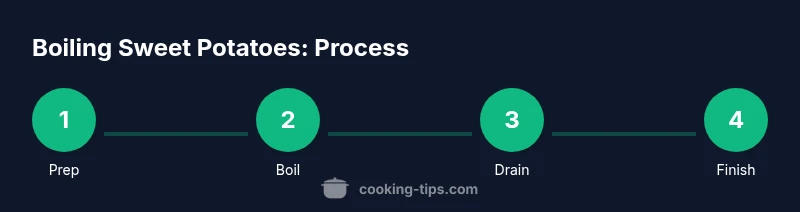
Master a perfect boil for sweet potatoes with a simple, repeatable method. Start by choosing uniform tubers, rinsing well, and deciding whether to peel. Salt the water, bring to a gentle simmer, and cook until the centers are tender. Drain, rest briefly, and you’re ready to mash, slice for salads, or serve as a wholesome side.
Why boil sweet potatoes: benefits and outcomes
If you are wondering how to cook sweet potato boil, boiling is a fast, gentle method that preserves moisture and makes the center tender without drying the edges. Boiled sweet potatoes are ideal for mash, creamy purées, or turning into a bright salad component. This method helps you control texture more precisely than roasting, and it’s forgiving for beginners while still offering room for flavor tweaks. The Cooking Tips approach emphasizes consistency: uniform tubers cook more evenly, which reduces the risk of underdone centers or mushy edges. For many home cooks, boiled sweet potatoes are a reliable base ingredient that saves time during busy weeknights and still scales up for weekend meal prep. By understanding the basics of how to boil potatoes, you can adapt the process to different recipes and maintain nutrition and taste. Throughout this guide, you’ll see practical tips to optimize texture and flavor. According to Cooking Tips, the key is balance among size, water salinity, and gentle heat, so you end with a classic, versatile vegetable that shines in many dishes.
Selecting, washing, and prepping sweet potatoes
Choosing the right sweet potatoes sets the foundation for a successful boil. Look for tubers that are firm, smooth, and free from large bruises or soft spots. Size matters: aim for evenly sized potatoes so they cook at the same pace. Rinse well under cool water to remove dirt, and decide whether to peel. Leaving the skins on adds texture and nutrients, while peeling yields a smoother puree. If you plan to cut the potatoes before boiling, cut them into uniform chunks to ensure even cooking. After washing, pat dry and trim any rough ends. For added flavor, you can toss peeled pieces with a touch of olive oil, though this is optional for boiling. This stage—prep and consistency—pays off during the boil, producing predictable results with minimal effort. Based on our experience at Cooking Tips, uniform size reduces guesswork and speeds up cooking time while maintaining good texture.
Whole potatoes vs cut pieces: boiling method
Boiling whole sweet potatoes preserves more moisture inside, but it takes longer to reach tenderness. Cutting potatoes into even chunks dramatically speeds up cooking and helps ensure the centers cook through at the same rate. Whole tubers are great when you want a simple, hands-off approach; chunks work well when you’re short on time or want a quick mash. If you’re new to how to cook sweet potato boil, start with chunks for more predictable results, then graduate to whole tubers as you gain confidence. When cutting, aim for pieces roughly the same size, which translates to even heat transfer and consistent texture. Regardless of method, keep the water level submerged by about an inch to maintain steady cooking and avoid scorching at the surface.
The boil basics: water, salt, and temperature management
Salt the water to season the potatoes from the inside out rather than relying on the salt in your mash. Use enough water to cover the potatoes by about one inch for uniform cooking. Start with cold water and bring to a gentle simmer rather than a rolling boil; high heat can break apart delicate chunks and lead to uneven doneness. A calm simmer keeps the potatoes intact while they heat through. Add the potatoes in a single layer if you can, avoiding overcrowding, which slows down cooking and creates hot spots. For flavor, you can add aromatics such as garlic, bay leaves, or a pinch of dried thyme, but keep the additions minimal so you can still taste the potato itself. The goal is tender, pliable centers with a pleasant, clean potato flavor that isn’t waterlogged.
Tools & Materials
- Medium pot or stock pot with lid(at least 2-3 quarts)
- Water(enough to cover potatoes by about 1 inch)
- Salt(about 1-2 teaspoons per quart of water)
- Potato peeler (optional)(peeling only if you want peeled potatoes)
- Knife and cutting board(if cutting into chunks)
- Colander(for draining hot potatoes safely)
- Tongs or slotted spoon(for handling hot pieces)
- Kitchen towel or oven mitts(to protect hands when draining)
Steps
Estimated time: about 30-40 minutes
- 1
Gather and prep potatoes
Rinse potatoes under cool water to remove dirt. Decide whether to peel based on texture preference. If cutting, trim ends and cut into uniform chunks for even cooking; uniformity helps prevent overcooked exteriors and underdone interiors.
Tip: Uniform size is the most reliable lever for even cooking; use a sharp knife for clean cuts. - 2
Choose your pot and water level
Select a pot large enough to hold the potatoes in a single layer with about 1 inch of water above them. Pour in cold water to cover and season with salt. A calm start with cold water helps heat transfer evenly.
Tip: Starting with cold water reduces the risk of uneven cooking and potential shelling of pieces. - 3
Add potatoes and heat
Gently place the potatoes into the pot in a single layer. Bring the water to a gentle simmer over medium heat. Avoid a full boil at the start to protect the potato texture and prevent breaking apart pieces.
Tip: Give them space; overcrowding can make some pieces underdone. - 4
Simmer until tender
Let the potatoes simmer until a fork slides through the centers with little resistance. The exact time varies with size and whether you peeled; test a few pieces if you’re unsure. Maintain a gentle simmer rather than a hard boil to keep the surface intact.
Tip: If you’re aiming for fluffy mash, aim for gently tender centers rather than overly soft edges. - 5
Drain and dry
Carefully drain the potatoes into a colander. Return the pot to the burner on low to dry the potatoes briefly or gently shake the colander to evaporate surface moisture. This helps prevent watery mash when you finish.
Tip: A short rest after draining helps the starch settle, improving texture. - 6
Finish and use
Transfer the potatoes to a bowl for mashing, or serve in chunks for salads. If mashing, add your chosen fat and seasonings; for salads, let them cool completely and toss with light dressing. Store any leftovers in an airtight container in the fridge.
Tip: Season to taste after mashing; the texture will carry salt differently once mashed.
Quick Answers
Can I boil sweet potatoes with the skin on?
Yes. Boiling with the skin on adds texture and nutrients. If you plan to mash, you may want to peel after boiling for a smoother result.
Sure, you can boil with the skin on. It adds texture and nutrition; peel after boiling if you want a smoother mash.
Should I salt the water?
Yes, salt the water to season the potatoes from the inside. Use enough salt to lightly flavor the water, which helps the flesh taste better overall.
Absolutely—salting the water seasons the potatoes from inside, giving better flavor.
How can I tell when boiled potatoes are done?
Pierce the center with a fork or knife; it should slide in easily with little resistance. If any piece resists, continue cooking a bit longer and recheck.
Check with a fork; it should go in easily. If not, keep cooking a bit longer and recheck.
Can I reuse the boiling water for other ingredients?
It’s best used for potatoes only to avoid transferring flavors. If you reuse, keep it for similar vegetables to maintain flavor balance.
You can reuse the water for similar vegetables, but avoid mixing flavors across different ingredients.
What’s the difference between boiling and steaming sweet potatoes?
Boiling submerges potatoes in water and can dilute some flavor, but it’s fast and hands-off. Steaming preserves more nutrients and can yield firmer textures; boiling offers more forgiving results for mashing.
Boiling is quicker and forgiving; steaming keeps more nutrients and may keep texture firmer.
Can I freeze boiled sweet potatoes?
Boiled potatoes can be frozen, but texture may change. Reheat gently after thawing, and consider mashing or repurposing into recipes rather than serving fresh.
You can freeze them, but texture may change. Reheat gently and use in recipes.
Watch Video
Top Takeaways
- Choose uniform potatoes for even cooking
- Salt water for flavorful, inside-out seasoning
- Test tenderness with a fork, not time alone
- Drain and dry for best mash or salads
- Store leftovers promptly for best texture