Roasted Sweet Potato Recipe: Crisp Edges, Tender Centers
Master a roasted sweet potato recipe with crisp edges and tender centers. This step-by-step guide from Cooking Tips covers selection, prep, roasting, flavors, and storage.


According to Cooking Tips, this roasted sweet potato recipe yields crisp edges and a creamy center. You're about to master a quick, reliable guide that uses high heat and even spacing for perfect browning. The guide covers prep, timing, and flavor variations. With simple steps and practical tips, you can customize for weeknight dinners or weekend meals.
Why Roasted Sweet Potatoes Shine
Roasting sweet potatoes transforms their starches into a caramel-sweet center with a crisp, golden crust. The high heat encourages surface browning, while the interior stays tender and softly fluffy. This combination makes roasted sweet potatoes a versatile side dish that pairs with everything from roasted chicken to grain bowls. When done well, the outside shows a tempting crunch, while the inside remains juicy and savory. Cooking Tips emphasizes that achieving this balance is less about exact timing and more about consistent piece size, even coating, and a controlled oven environment. In this guide, you’ll see how slight adjustments to heat, sheet-pan setup, and seasoning can elevate a simple sweet potato into a standout side.
Top-Quality Sweet Potatoes: Selection & Prep
Choose firm, smooth-skinned tubers without green spots or soft bruises. Varieties labeled “orange flesh” tend to be sweetest and most forgiving for roasting. Rinse thoroughly to remove surface dirt, then pat dry. You can peel or leave the skin on based on preference; skin adds texture and nutrients. If you prefer crisper edges, cut the tubers into uniform 1-inch pieces. Uniform size ensures even cooking and browning, which is essential for consistent results across the pan. Before roasting, spread the pieces on a clean towel to absorb surface moisture for a brief moment—this helps them brown, not steam.
The Roasting Method: High Heat, Even Spacing
Preheat your oven to 425F (220C) and line a rimmed baking sheet. Toss the potato pieces with 1–2 tablespoons of neutral oil and a pinch of kosher salt per pound, then arrange them in a single layer with space between each piece. Spacing is key: crowded potatoes steam instead of roast, which dulls color and texture. Roast until the edges are deeply browned and the centers are fork-tender, flipping once halfway through to promote even browning. If you’re using a convection oven, rotate the sheet halfway through to ensure uniformity. The goal is a rich caramel color on the outside and creamy interior.
Flavor Variations: Herbs, Spices, and Finish
Roasted sweet potatoes shine with simple seasonings, but you can customize them to your palate. For a savory note, toss with smoked paprika, garlic powder, and a touch of cumin. For a sweeter profile, finish with a drizzle of maple syrup and a pinch of cinnamon after roasting. Fresh herbs like parsley or cilantro brighten the dish, while lemon zest adds a citrusy lift. Spacing remains crucial for even browning, so keep pieces in a single layer during roasting to maximize surface area contact with the hot pan. This makes it easier to control texture when adding finishing flavors.
Troubleshooting & Common Mistakes
Common issues include soggy centers, uneven browning, and potatoes that burn on the edges. Prevent sogginess by drying the surfaces before oiling and avoiding overcrowding. If browning is slow, increase oven temperature modestly or extend roasting time by 5–10 minutes, checking frequently. Flip the pieces for even coloration and blot excess oil if coatings appear greasy. For extra crispness, consider a brief broil at the end—watch closely to prevent scorching. These adjustments help you troubleshoot typical roasting pitfalls without losing the dish’s tenderness.
Serving Ideas & Storage
Roasted sweet potatoes work as a standalone side, a protein-accompanied bowl, or a base for vibrant toppings like avocado, feta, or yogurt drizzle. Leftovers keep well in the fridge for 3–4 days when stored in an airtight container. Reheat gently in a 350F oven or a quick pan-sauté to restore some crispness. If you’ll be turning this into a meal-prep option, consider mixing roasted cubes with chickpeas, greens, and a zingy dressing to create a ready-to-go lunch. The flavor profile stays flexible, so you can adapt it to your weekly menu.
Authority Sources
The following sources provide foundational cooking safety and technique guidance that supports the roasting method described here:
- USDA: https://www.usda.gov/
- Extension Services: https://extension.illinois.edu/
- FDA: https://www.fda.gov/
Serving Ideas & Storage (continued)
If you want a more complete sheet-pan meal, toss roasted sweet potato cubes with sautéed greens, chickpeas, and a lemon-tahini drizzle. This keeps well for meal-prep and can be portioned into lunch bowls. When storing, cool completely before refrigerating to minimize moisture condensation. For best flavor, reheat without covering to preserve a little snap in the edges.
Tools & Materials
- Sweet potatoes(1–2 pounds, scrubbed and trimmed)
- Neutral cooking oil(1–2 tablespoons per pound)
- Kosher salt(To taste, 1/2–1 teaspoon per pound)
- Optional spices(Paprika, cumin, cinnamon, chili powder)
- Rimmed baking sheet(With parchment optional)
- Tongs or spatula(For turning pieces halfway through)
- Cooling rack (optional)(To air-cool after roasting)
Steps
Estimated time: 25-35 minutes
- 1
Preheat and prep
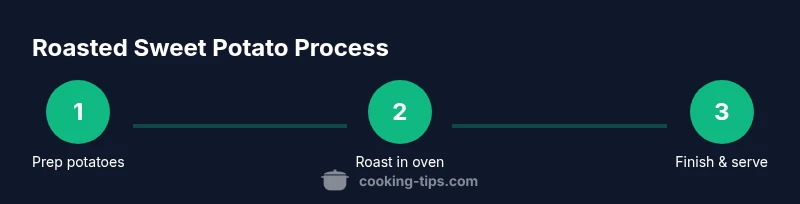
Preheat oven to 425F (220C). Rinse potatoes; pat dry; trim ends and cut into 1-inch cubes for even cooking. Uniform size ensures consistent browning and tenderness.
Tip: Aim for 1-inch pieces for uniform roasting. - 2
Toss with oil and salt
Toss cubes with 1–2 tablespoons oil and 1/2 teaspoon kosher salt per pound. Add optional spices if desired. The oil helps browning and flavor; salt draws out moisture for crisp edges.
Tip: Use a light coat—too much oil can lead to soggy edges. - 3
Spread in a single layer
Spread potatoes on a rimmed baking sheet in a single layer. Overcrowding traps steam and prevents browning; give each piece space. Paring down to a single layer ensures even color development.
Tip: Line with parchment for easy cleanup. - 4
Roast and flip
Roast 20–25 minutes, then flip with tongs to expose fresh edges. Continue roasting until edges brown and centers are tender. If you’re using a convection oven, rotate the sheet halfway through to ensure uniformity.
Tip: Check after 20 minutes to avoid over-browning. - 5
Finish and serve
Remove from oven and rest 2–3 minutes. Season to taste with extra salt or herbs; finish with lemon zest or fresh herbs for brightness. Serve as a side or base for bowls.
Tip: For extra crispness, finish under broil for 1–2 minutes, watch closely. - 6
Variations and pairing
Try maple-glaze, smoked paprika, or cumin for different flavors; pair with roasted vegetables or protein. Keep flavors complementary to the main dish to avoid overpowering the roasted potato.
Tip: Experiment with chili powder for heat, or cinnamon for a sweet-savory balance.
Quick Answers
Should I peel sweet potatoes before roasting?
Peeling is optional. The skin adds texture and nutrients, but you can peel if you prefer a smoother bite. If left on, scrub well and pat dry.
Peel or not—it's up to you; either way, scrub well.
Can I roast with other vegetables on the same sheet pan?
Yes, just keep cutting vegetables to similar sizes and allow enough space for air to circulate. This helps all veggies roast rather than steam.
Yes—roast with other vegetables, but keep space for air to circulate.
How do I know when roasted sweet potatoes are done?
They are done when forks slide in easily and the edges are browned with a tender center. If you like crisper edges, roast a few minutes longer.
Fork-tender with browned edges means done.
How should I store leftovers after roasting?
Store cooled potatoes in an airtight container in the fridge for 3-4 days. Reheat in a 350F oven or on the stove to restore some crispness.
Cool and store in an airtight container for 3-4 days.
Can I freeze roasted sweet potatoes?
Roasted potatoes freeze but may lose texture; best to refrigerate for short-term use. If freezing, spread on a tray first to freeze separately, then transfer to a bag.
They freeze, but texture can change; for best results refrigerate instead.
Watch Video
Top Takeaways
- Choose uniform potato pieces for even browning.
- Roast at high heat with a single layer for crisp edges.
- A light oil coat is sufficient for flavor and texture.
- Flavor variations expand versatility without extra effort.
- Let leftovers cool and reheat properly to preserve texture.