How to Cook Potato Soup: A Simple Step-by-Step Guide
Master creamy, comforting potato soup with this comprehensive guide. Learn selecting potatoes, building flavor, simmering to tenderness, and serving tips for weeknight warmth.


You will learn how to cook potato soup from scratch using common kitchen staples. Start with russet or Yukon Gold potatoes, onions, garlic, stock, and dairy, then simmer until tender, blend to your preferred texture, and finish with salt, pepper, and a touch of cream or milk for a silky finish. A cozy, budget-friendly meal is within reach.
What potato soup is and why it works
Potato soup is a comforting, versatile dish built on a simple premise: starch-rich potatoes, aromatics, and a flavorful liquid form a creamy, satisfying bowl with little fuss. The base typically includes onions and garlic for depth, stock or broth for body, and a dairy element or dairy-free alternative to achieve a silky texture. The beauty of potato soup lies in its adaptability: you can tailor thickness, creaminess, and toppings to match your pantry and dietary needs. With a gentle simmer, the starches release their natural creaminess, creating a naturally luscious mouthfeel without heavy thickeners. This makes it an approachable weeknight meal for home cooks at any skill level.
When you plan a potato soup, consider two core goals: texture and balance. Texture ranges from chunky with visible potato chunks to smooth and velvety. Balance comes from careful seasoning and a finishing touch of fat (butter, cream, or oil) that rounds out the flavors. By understanding these fundamentals, you’ll be prepared to customize your soup for kids, adults, and picky eaters alike.
Choosing potatoes and other ingredients
The potato choice strongly influences texture and flavor. Yukon Golds yield a creamy, naturally buttery soup due to their higher moisture and fat content, while Russet potatoes break down into a thicker, heartier soup with a rustic bite. For a lighter soup, combine a portion of waxy potatoes (like fingerlings) with starchier ones to achieve a balanced texture. Besides potatoes, you’ll need aromatics (onion, garlic), a savory liquid (stock or water with salt), and dairy or dairy-free alternatives to create a smooth finish. Salt and pepper are essential, but consider a touch of thyme, bay leaf, or a smear of cream at the end for added elegance. Fresh herbs brighten the dish just before serving. If you’re dairy-free, swap in coconut milk, almond milk, or cashew cream and use a vegetable stock base for a clean finish.
Stock vs water: how to build depth
Stock brings immediate flavor depth that water cannot match. A light chicken stock yields a gentle savory backbone, while vegetable stock keeps the dish entirely plant-based. If you’re in a pinch, you can start with water and concentrate flavor by sautéing aromatics longer and adding miso, nutritional yeast, or soy sauce for umami. For a richer finish, reduce the stock slightly before adding potatoes so the soup concentrates its natural flavors. If using store-bought stock, choose low-sodium varieties so you can control salt later, avoiding a salty outcome that masks delicate potato notes.
The flavor base: onions, garlic, and aromatics
Sweating onions slowly in a bit of butter or oil draws out sweetness and creates a soft, glossy base. Add minced garlic toward the end of this step to prevent bitterness. Optional aromatics like celery, leeks, or carrots can add depth, while herbs such as thyme or bay leaves offer a gentle backbone. For a punch of brightness, finish with a squeeze of lemon juice or a dash of white pepper. The aromatics set the stage for a soup that feels comforting yet layered with nuance.
Texture options: creamy, chunky, and silky
Potato soup offers multiple texture pathways. For a creamy version without heavy cream, blend the soup until mostly smooth and return to the pot, leaving some potato chunks for contrast. For a truly silky texture, blend completely with an immersion blender and whisk in a splash of milk or cream at the end. If you prefer more texture, reserve a portion of diced potatoes, or roughly mash half the batch before returning it to the pot. Each approach yields a different mouthfeel, so choose based on your guests and the mood of the meal.
Step-by-step cooking process (high-level overview)
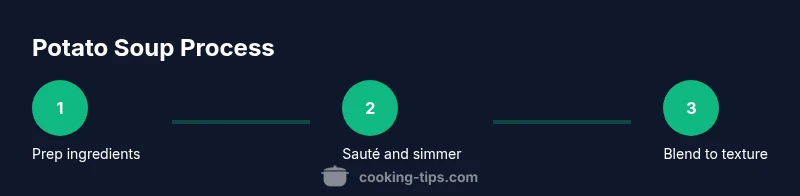
- Prep: Peel and dice potatoes, chop onions, and mince garlic. 2) Sauté: Cook aromatics in butter or oil until soft and translucent. 3) Simmer: Add stock and potatoes; bring to a boil, then reduce to a gentle simmer. 4) Thicken: Decide on texture—blend partially or fully, or use a portion of the starch to thicken. 5) Finish: Stir in dairy if desired, taste, and adjust salt and pepper. 6) Serve: Ladle into bowls and add toppings. 7) Store: Cool promptly and refrigerate or freeze for later.
A mindful simmer helps potatoes release their starch gradually, creating a natural creaminess without heavy thickeners. The finishing steps are where you adjust mouthfeel, season, and ring the dish with brightness from herbs or dairy.
Techniques for thickening and emulsification
Emulsifying fats with hot liquid creates a luxurious, stable texture. To emulsify, gradually whisk in dairy or oil after blending, ensuring the mixture stays smooth rather than separating. If you’re using dairy, add it slowly off the heat to prevent curdling. A touch of starch from the potatoes themselves acts as a natural thickener; avoid over-purning if you want some bite. If you want extra body without dairy, simmer longer to reduce the liquid, or blitz in a portion of pre-cooked potato to introduce starch.
For best results, use an immersion blender directly in the pot and blend in short bursts to control texture. This technique reduces extra dishes and speeds up cleanup.
Common pitfalls and how to avoid them
Pitfalls include over-salting, curdling dairy, and uneven texture. Salt in stages, tasting as you go, to prevent oversalting. If you add dairy and notice curdling, remove the pot from direct heat and whisk vigorously while slowly reintroducing the dairy. If you want a chunkier soup, blend only half of the batch or reserve some potato cubes to fold back in. Finally, avoid boiling too vigorously after dairy addition, as this can break emulsions and result in a greasy texture.
Serving ideas and storage guidelines
Potato soup shines with toppings like shredded cheese, chopped chives, crispy bacon, sour cream, a drizzle of olive oil, or cracked pepper. Serve with crusty bread or a simple side salad to balance richness. Refrigerate leftovers promptly in shallow containers to speed chilling, and reheat gently on low heat, stirring often. For longer storage, freeze in portions; reheat slowly, adding a splash of stock or milk to restore the desired consistency. Label containers with dates to track freshness.
Variations: dairy-free, vegan, and add-ins
To make a vegan version, use olive oil or vegan butter and swap dairy with almond, soy, or oat milk. Vegetable stock becomes the base, and you can enrich with coconut cream for a luscious finish. For heartier options, stir in corn, shredded carrots, or mushrooms. A smoky twist can be achieved with a pinch of smoked paprika or chipotle powder. For a kid-friendly version, keep the soup mild, blend fully for a smooth texture, and add crackers on the side for crunch.
Nutritional considerations and portioning tips
Potato soup can be portioned to fit various dietary needs by controlling cream, cheese, and salt. Potatoes provide fiber and energy-dense starch; pairing with vegetables adds micronutrients. When portioning, consider a base that satisfies without overloading calories per serving. If you’re monitoring sodium, use low-sodium stock and add salt gradually at the end. A final drizzle of olive oil or a dab of dairy can elevate flavor without significantly increasing calories when used in moderation.
Quick flavor-check guide: taste, adjust, and finish
Always taste near the end of cooking. If the flavor is dull, balance with a pinch of salt, a touch of acid (lemon juice or vinegar), or a hint of sweetness (caramelized onions). If you crave more depth, a splash of miso or a teaspoon of soy sauce can heighten savoriness without changing the texture. Finish with a fresh herb or a final swirl of cream to bring brightness to the bowl.
Tools & Materials
- potato (Russet or Yukon Gold)(2-3 pounds, scrubbed and peeled)
- yellow onion(Medium; finely chopped)
- garlic cloves(2-4 cloves; minced)
- stock(Chicken or vegetable; 4-6 cups)
- milk or cream (or dairy-free alternative)(Optional; 1/2-1 cup)
- butter or oil(2 tablespoons)
- salt(To taste)
- black pepper(To taste)
- bay leaf or thyme (optional)(Aromatic for depth)
- immersion blender or regular blender(For texture control)
- knife(Chef's knife)
- cutting board(Stable surface)
- large soup pot(3-4 quart minimum)
- ladle(For serving)
Steps
Estimated time: 45-60 minutes
- 1
Prep ingredients
Wash, peel, and dice potatoes into even 1/2-inch cubes.Finely chop onions and mince garlic so they cook evenly.
Tip: Uniform potato dice ensure consistent cooking and texture. - 2
Warm the pot and melt fat
Heat the pot over medium, add butter or oil, and let it shimmer before adding aromatics.
Tip: Do not let butter burn; keep heat moderate. - 3
Sauté aromatics
Sweat onions until translucent, then add garlic and cook until fragrant, about 30-60 seconds.
Tip: Sweating enhances sweetness without browning. - 4
Add stock and potatoes
Pour in stock and add potatoes. Bring to a simmer, then reduce heat to maintain a gentle simmer.
Tip: Season lightly at this stage to avoid over-salting later. - 5
Simmer until tender
Cook until potatoes are fork-tender, about 15-20 minutes depending on cube size.
Tip: Covering partially helps retain moisture and flavor. - 6
Choose texture path
Decide whether to blend partially for a creamy texture or fully for a smooth soup.
Tip: Use an immersion blender for better control. - 7
Finish with dairy and season
Stir in milk or cream off the heat and adjust salt and pepper to taste.
Tip: Add dairy gradually to avoid curdling. - 8
Serve or store
Ladle into bowls and add toppings; refrigerate or freeze leftovers promptly.
Tip: Cool briefly before refrigerating to reduce temperature shock.
Quick Answers
Can I make potato soup dairy-free?
Yes. Use a dairy-free milk (like almond or oat) and a plant-based butter or oil. Rely on vegetable stock and consider a small amount of coconut cream for a velvety mouthfeel. Finish with fresh herbs for brightness.
Absolutely. Dairy-free versions use plant-based milks and oil to achieve creaminess while keeping the dish vegan-friendly.
What potatoes are best for potato soup?
Yukon Golds yield a creamy texture with a slight buttery note, while Russets give a thicker, heartier soup as they break down more. A mix can balance creaminess and body.
Yukon Golds are great for creaminess; Russets give more body. A mix works well for most tastes.
How do you thicken potato soup without flour?
Let the soup simmer a bit longer to reduce the liquid, or blend a portion of the potatoes to release starch, which naturally thickens the remaining soup.
Let it simmer longer to reduce, or blend part of the potatoes to thicken naturally.
How long can potato soup be stored?
Potato soup stores well in the fridge for 3-4 days and freezes for longer keeping. Reheat gently to preserve texture and flavor.
You can refrigerate for a few days or freeze for longer storage; reheat slowly.
Can I make this soup gluten-free?
Yes. Potato soup is inherently gluten-free if you use stock without gluten additives and avoid thickeners containing gluten. Check labels on stock and any add-ins.
Sure—just ensure your stock and any add-ins are gluten-free.
What toppings go best with potato soup?
Popular toppings include shredded cheese, cracked black pepper, chives, sour cream, bacon bits, and a drizzle of olive oil or paprika for color.
Cheese, herbs, and a little sour cream make a great finish.
Watch Video
Top Takeaways
- Choose potatoes for texture: Yukon Gold for creaminess, Russet for body.
- Stock depth beats water for richer flavor.
- Texture is flexible: blend partially or fully based on preference.
- Season gradually and finish with a bright dairy touch or acid to balance.
- Store leftovers properly to preserve flavor and texture.